
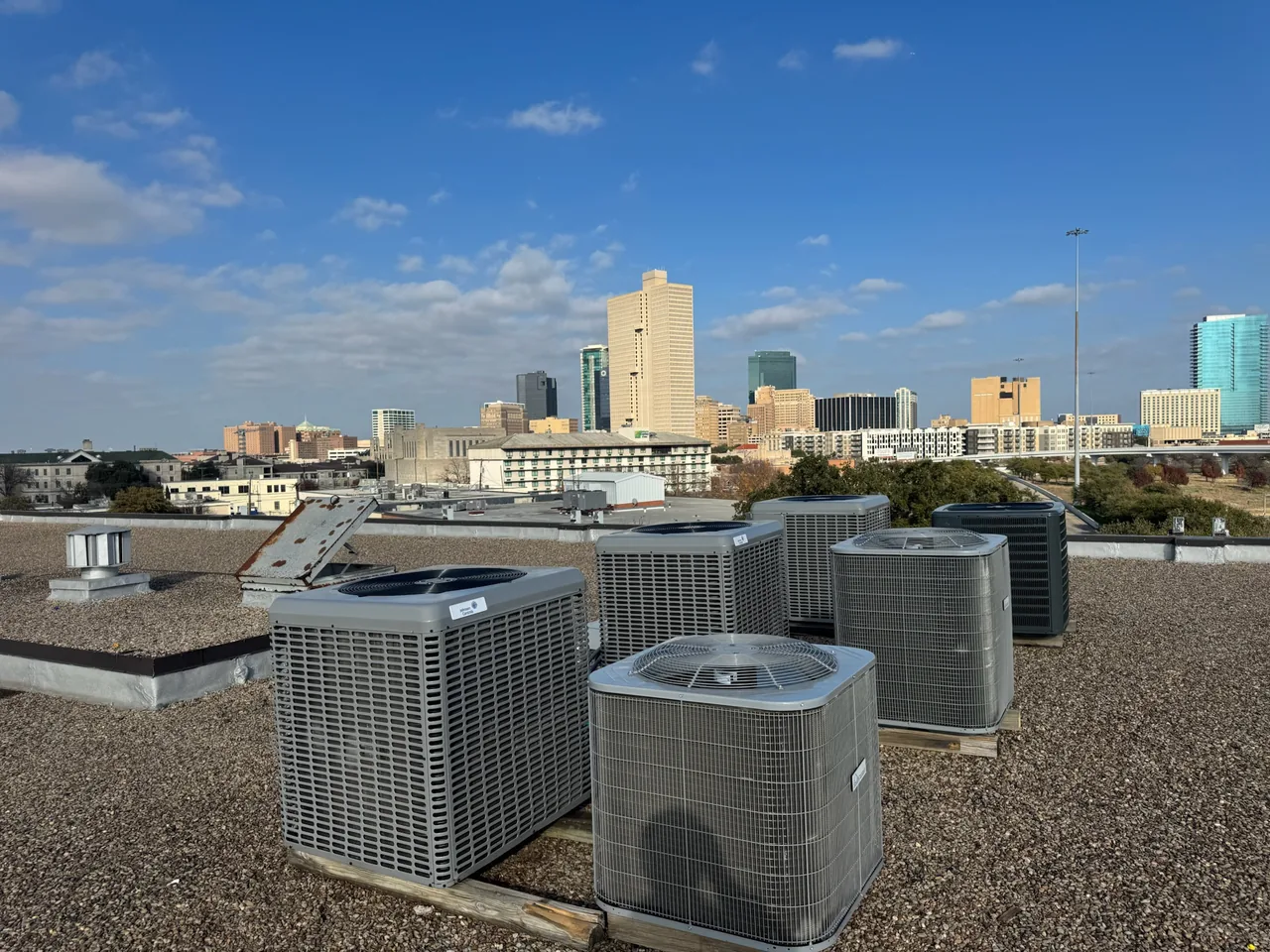
Tenant Finish Out
We finish out retail and commercial spaces as one job: roofing, HVAC, polished concrete, drywall, insulation, doors, cabinets and countertops. One company manages every trade from the bare shell to the finished space.
Learn More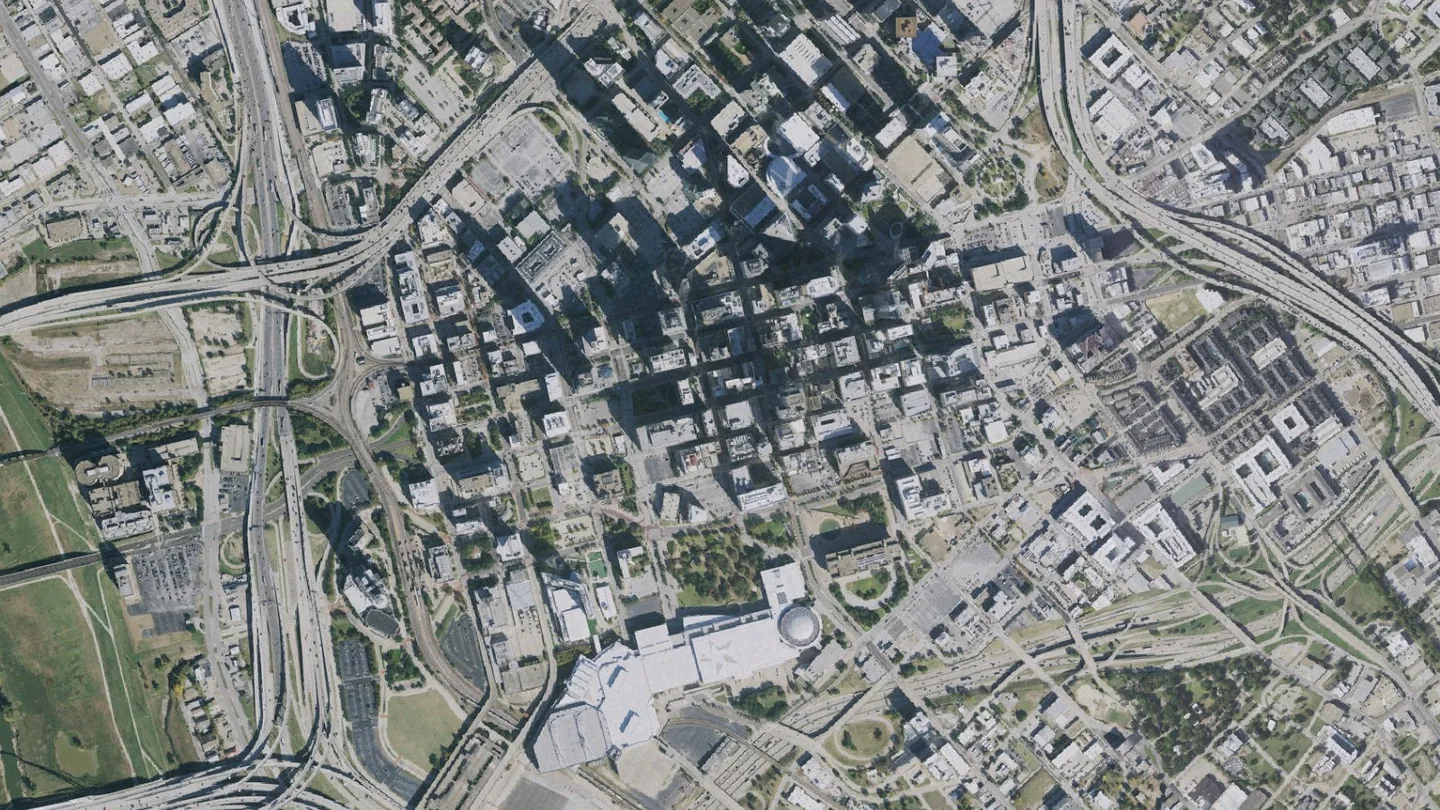
Dallas sits on the Blackland Prairie, where deep black clay rests on chalk and shale. The federal soil survey maps Houston Black and Heiden clay across about 29 percent of Dallas County. That clay swells when wet and opens cracks up to 4 inches wide in a dry spell. A commercial pad built on it without moisture control and tested compaction moves with the ground.
Bankston's Builders does dirt work across the Dallas-Fort Worth area, and Dallas is part of our service area. Around Dallas we focus on commercial pads, grading and access roads, including data center site work. We also take on commercial tenant finish outs in retail and office space. We look at the job and put the quote in writing. Call or text (214) 557-5106.
Tell us about the land or the building project and where it is. We look at the job and put the quote in writing.
Dallas County covers about 902 square miles, and the federal soil survey sorts it into seven soil groups. Deep clay on the uplands, led by the Houston Black and Heiden soils, covers about 29 percent of the county. Austin and Houston Black clay over the Austin Chalk adds about 14 percent. Trinity and Frio clay on the river floodplains makes up another 19 percent.
The soil survey calls Houston Black very slowly permeable with high shrink-swell potential. In a dry spell it opens cracks 1/2 inch to 4 inches wide a foot below the surface. DFW Airport averages about 37 inches of rain a year, with May and October the wettest months. Rain soaks in slowly, and a wet pad takes time to dry back to the moisture the compactor needs.
Over the Austin Chalk, the survey maps Eddy, Stephen and Austin soils on about a fifth of the county. Some are only inches deep, so a cut there hits rock fast. A Dallas pad starts with the geotechnical report. Our site preparation follows it: cut and fill to the plan grades, then compaction in tested lifts.
Industry market reports in 2026 rank Dallas-Fort Worth third among the primary data center markets in the United States. By the middle of the year the metro had more than 1,400 megawatts of data center capacity built. More than 765 megawatts were under construction, and most of that space was leased before it was finished.
A data center campus is a dirt work job before it is anything else. The state's own tax rules set a qualifying data center at 100,000 square feet of building or more. Pads at that scale need clearing, cut and fill, tested compaction and access roads built for heavy loads. Conduit trenches cross the whole site, and the site drainage has to hold what a big roof sheds.
Bankston's Builders does that site work with heavy equipment our crews know well: excavators, dozers, skid steers and a compactor. Access roads come first so the trucks can reach the pads. The pads, the trenches and the drainage then follow the campus plan. Once the dirt is done, the structure and the finish out can run with the same company.
Permits in Dallas run through the Planning and Development department and its Permitting and Inspections division, on the DallasNow portal. A commercial building permit covers constructing, altering or renovating a commercial property, and that includes a tenant finish out. The city's development guide also lists separate permits for excavation and for paving and grading.
The city's tree survey rules treat most trees eight inches or more across at chest height as protected. A tree survey can be required with a plat, a zoning change or a building permit. The city can also ask for one when a lot is graded. City arborists review it, and tree removal has its own permit.
Along the Trinity River and the creeks, the Dallas Development Code controls the floodplain. Fill, excavation or other development there needs a fill permit or floodplain alteration permit from the director of water utilities. Under a fill permit the whole building pad rises at least two feet above the design flood elevation. The fill is compacted to 95 percent standard Proctor density, and the city says the permit process averages four months.
Sites that disturb one acre or more also need construction stormwater permit coverage from TCEQ. Texas law requires a Texas 811 locate request at least 48 hours before mechanized digging 16 inches or deeper. Weekends and holidays do not count toward that window. The permit applications belong to the owner and the engineer, and we build to the approved plans.
South of Interstate 30 in southwest Dallas, the Austin Chalk meets the Eagle Ford shale along the White Rock Escarpment. The Dallas Development Code draws an escarpment zone along that line and bars excavation, filling and tree removal inside it. On the similar slopes around it, an escarpment permit comes first. That permit needs a slope stability analysis, an erosion control plan and a grading plan signed by an engineer.
North and east of downtown the ground flattens out. Uptown, the Design District and the Stemmons corridor along Interstate 35E are built-up commercial ground. Far North Dallas, Preston Hollow and Lake Highlands fill the north side of the city. Pleasant Grove runs toward the Great Trinity Forest to the southeast.
The Dallas Floodway holds 23 miles of levees, completed in 1932 and upgraded by the Army Corps in the 1950s. They protect 51 square miles of watershed through downtown. Southeast of downtown, the Great Trinity Forest covers about 6,000 acres along eleven miles of river, past Interstate 20. Land near the river is floodplain, so the fill permit rules above shape every pad there.
Communities and areas we serve around Dallas: Downtown Dallas, Uptown, Design District, Deep Ellum, Oak Lawn, Oak Cliff, West Dallas, Lake Highlands, Pleasant Grove, Far North Dallas, Fair Park, White Rock Lake.
Dallas ZIP codes served: 75201, 75202, 75203, 75204, 75205, 75206, 75207, 75208, 75209, 75210, 75211, 75212, 75214, 75215, 75216, 75217, 75218, 75219, 75220, 75223, 75224, 75225, 75226, 75227, 75228, 75229, 75230, 75231, 75232, 75233, 75234, 75235, 75236, 75237, 75238, 75240, 75241, 75242, 75243, 75244, 75246, 75247, 75248, 75249, 75251, 75252, 75253, 75254, 75270, 75287.
Dallas is part of our service area. We look at the job and put the quote in writing.
(214) 557-5106 We finish out retail and commercial spaces as one job: roofing, HVAC, polished concrete, drywall, insulation, doors, cabinets and countertops. One company manages every trade from the bare shell to the finished space.
Learn More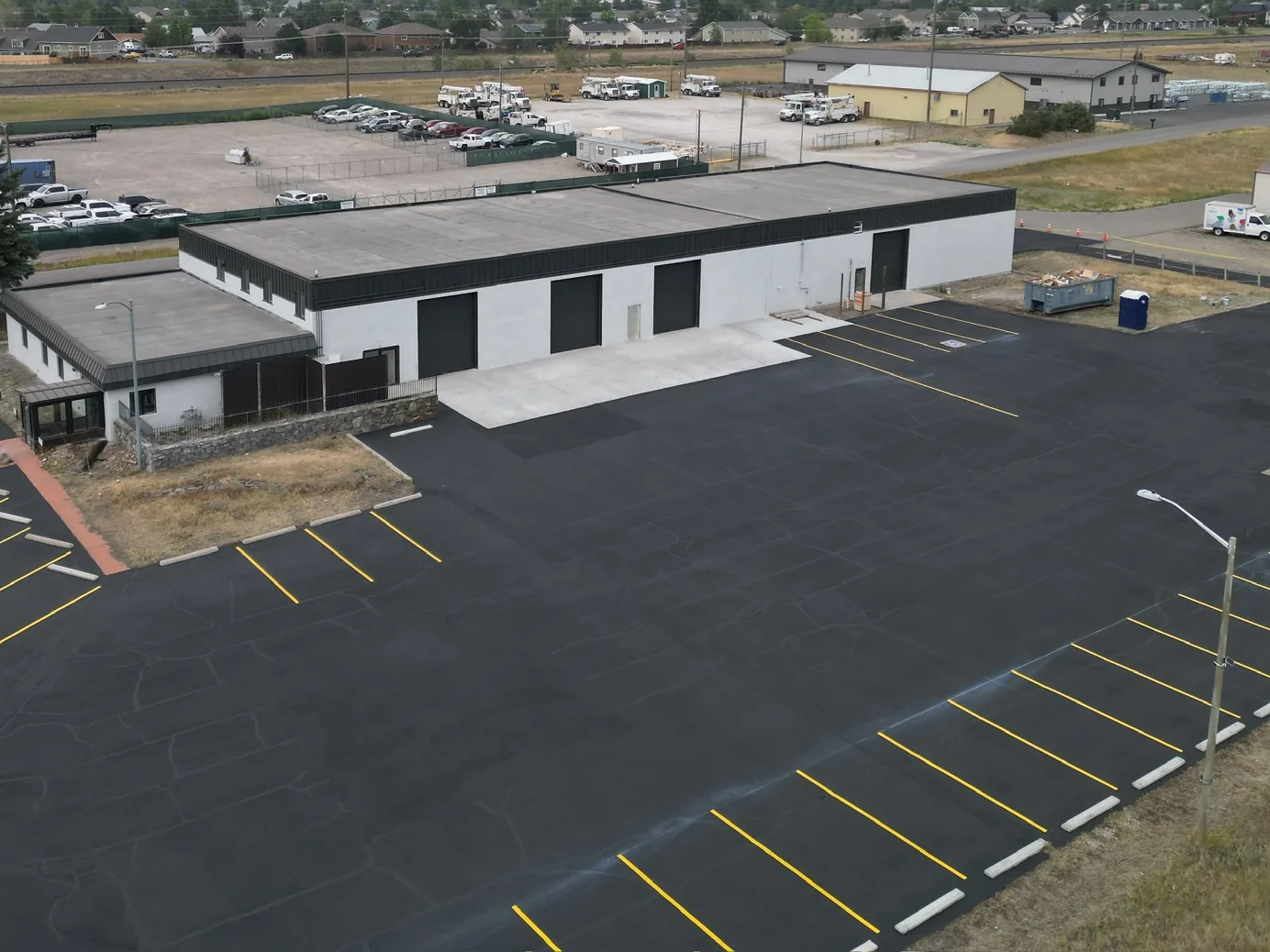
We build ground-up commercial buildings and additions for owners and developers. One company carries the job from the dirt work and the pad to the finished building.
Learn More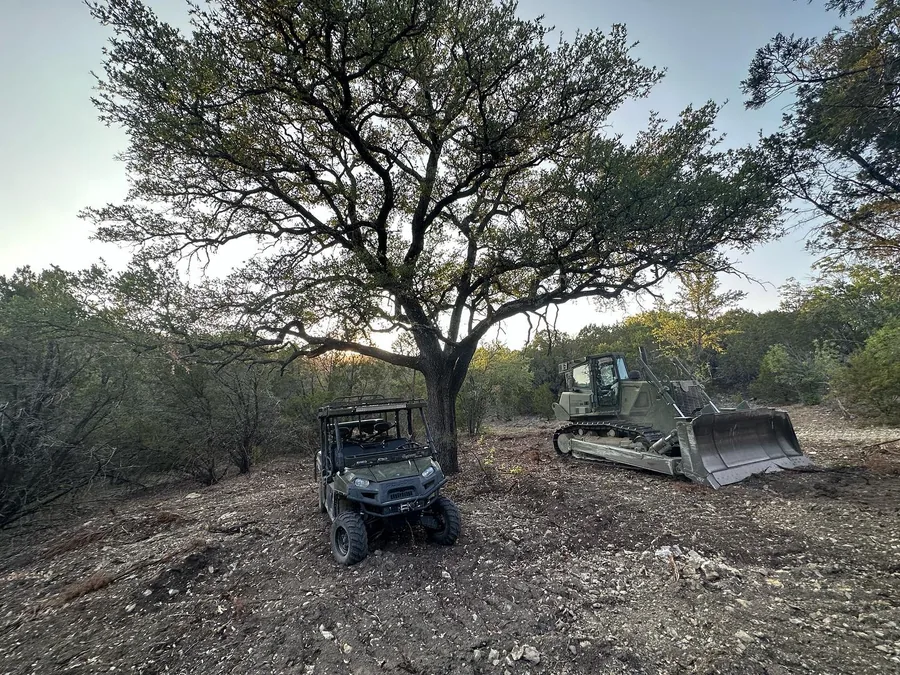
We clear trees and brush off ranch land and building sites with heavy equipment, roots and all. The ground is left ready for the pad or road that comes next.
Learn More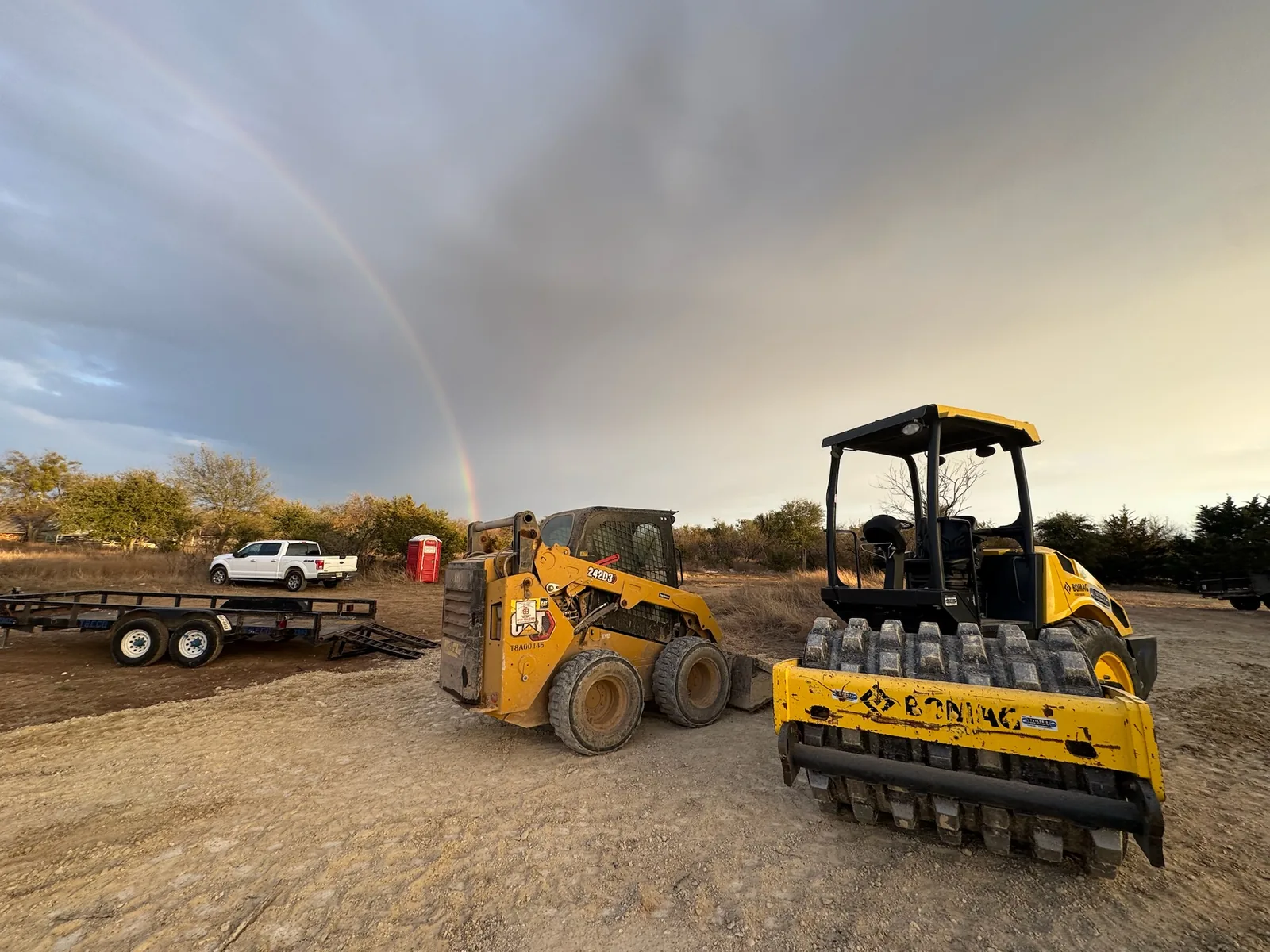
Building pads for commercial buildings, data centers, oilfield locations and custom homes. We cut and fill to the plan grades and compact each pad in lifts.
Learn More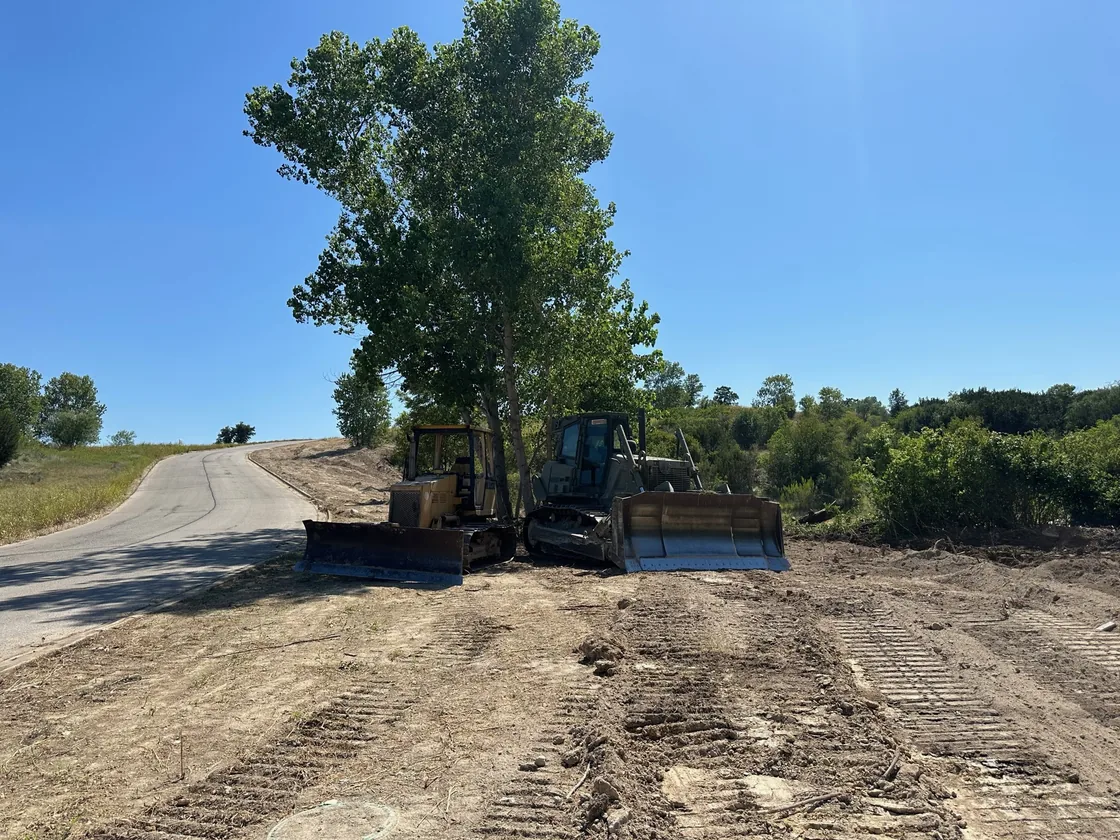
Land grading levels lots and tracts and shapes the ground so water runs off. We do rough grading and finish grading with heavy equipment for developers, ranch owners and oil and gas operators.
Learn More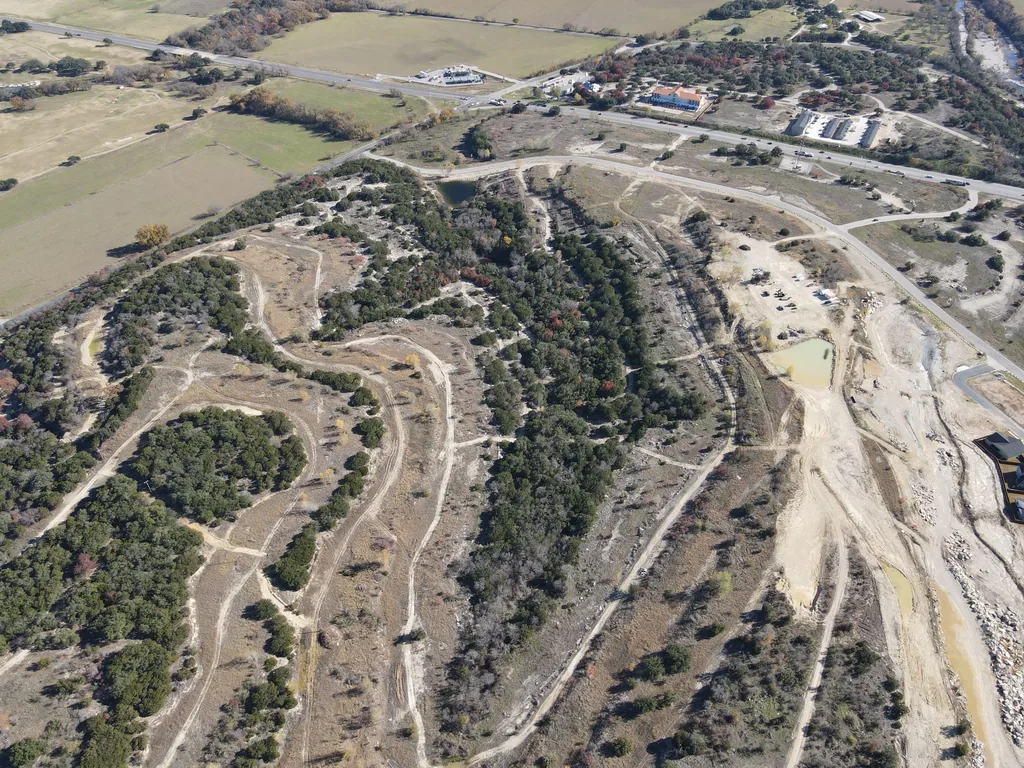
We build private, ranch, lease and haul roads on a compacted base with a gravel or caliche surface. Ditches and culverts move water off and under the road.
Learn More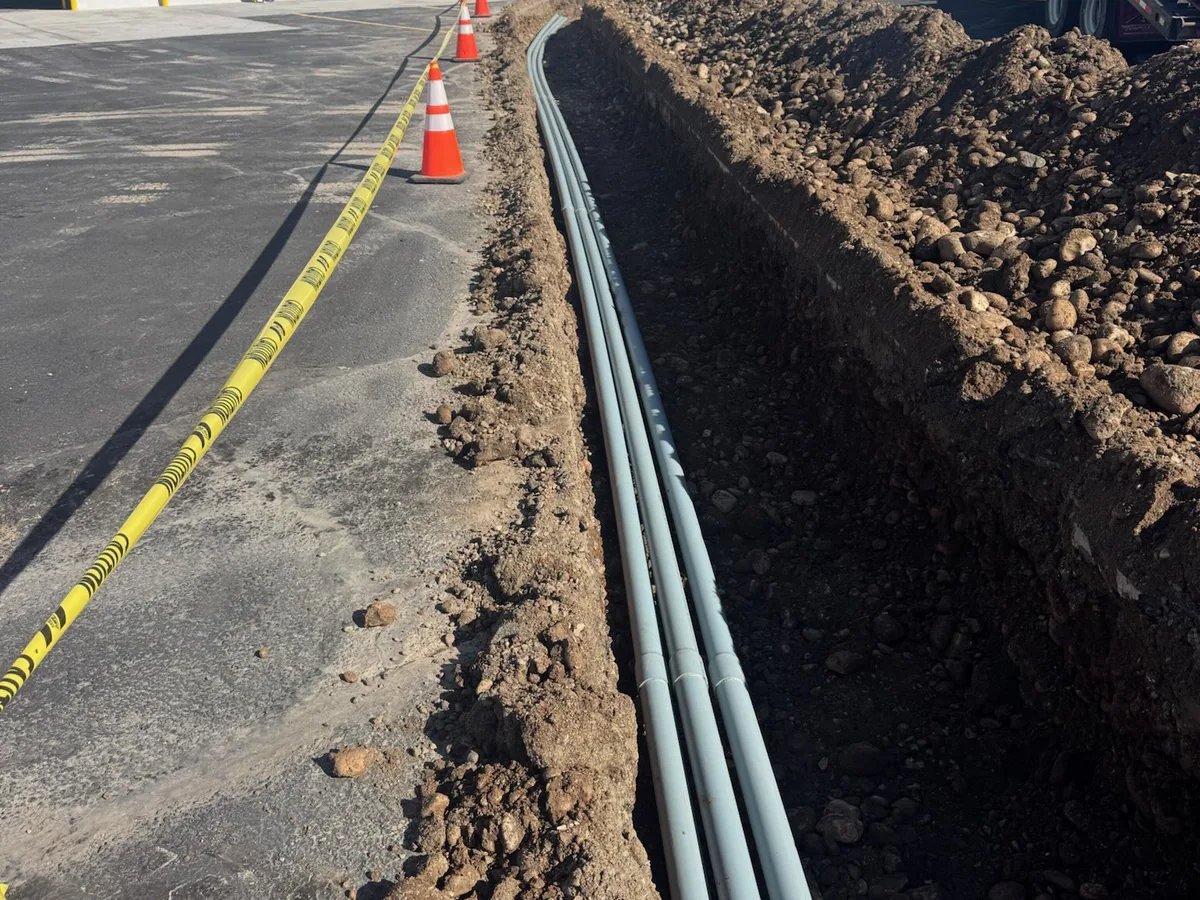
As part of the site work, we dig trenches for water lines and electrical conduit, then backfill and compact them. A licensed plumber or a licensed electrician makes the hookups.
Learn More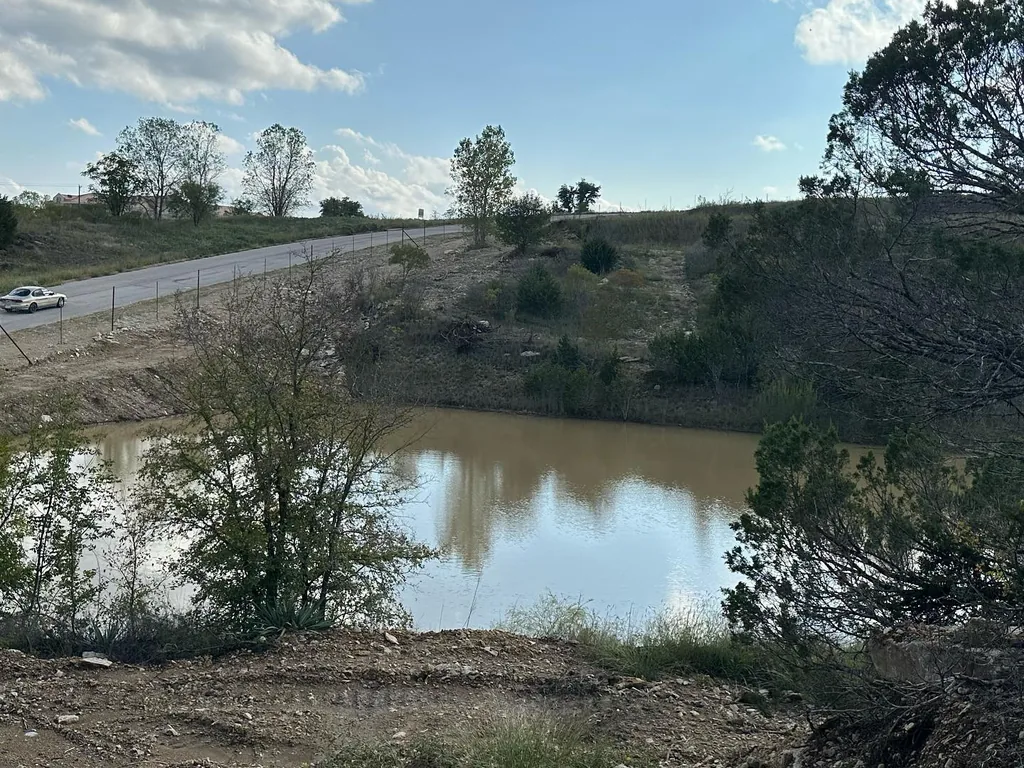
We cut ditches and swales and set culverts that carry storm water off pads and roads. We also build stock tanks, ponds, dams and detention basins with heavy equipment.
Learn More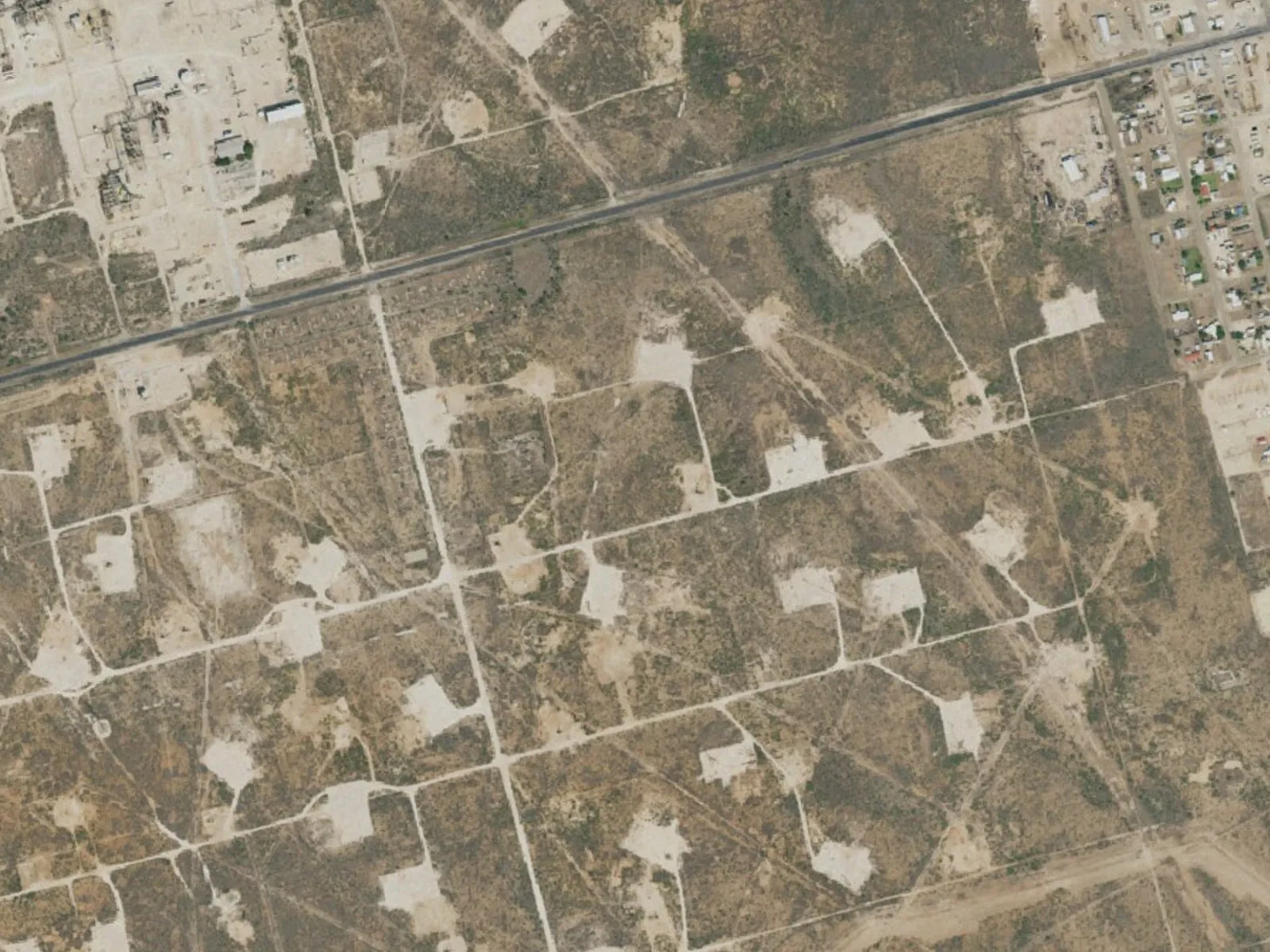
We build caliche pad sites and lease roads for oil and gas operators in West Texas and the Permian Basin. Grading and drainage around the location are part of the job, done by crews with real expertise on heavy equipment.
Learn More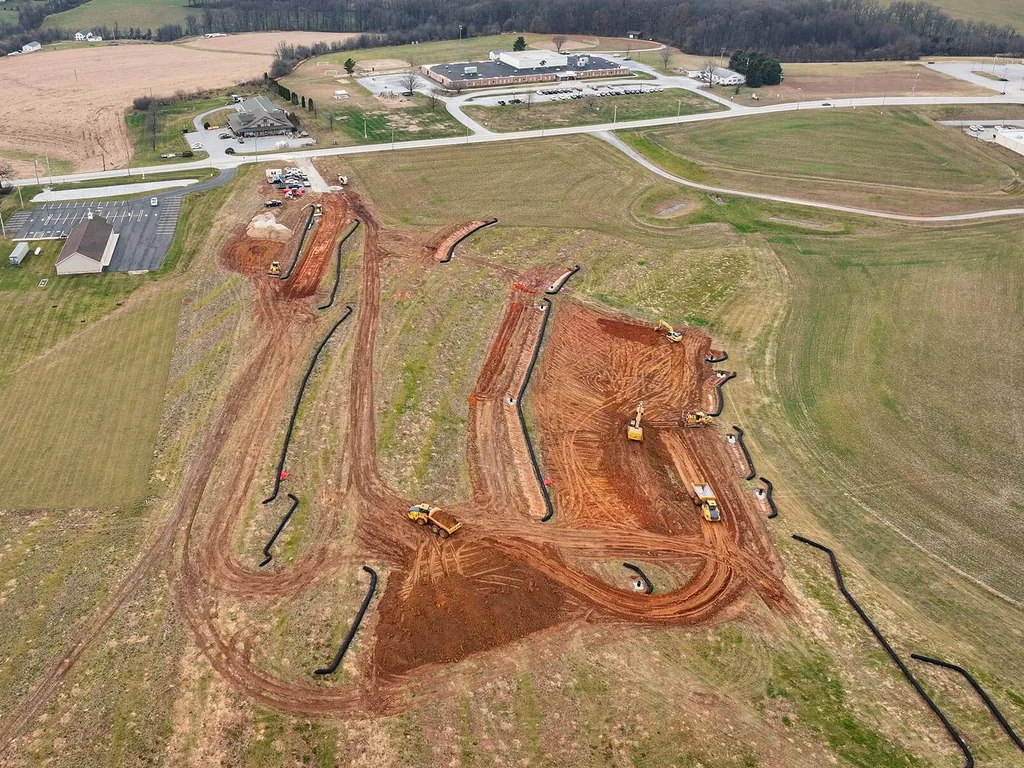
Site work for data center campuses: clearing, mass grading, building pads, access roads, conduit trenches and drainage. We build the ground the data halls stand on, to the plans and the geotechnical report.
Learn More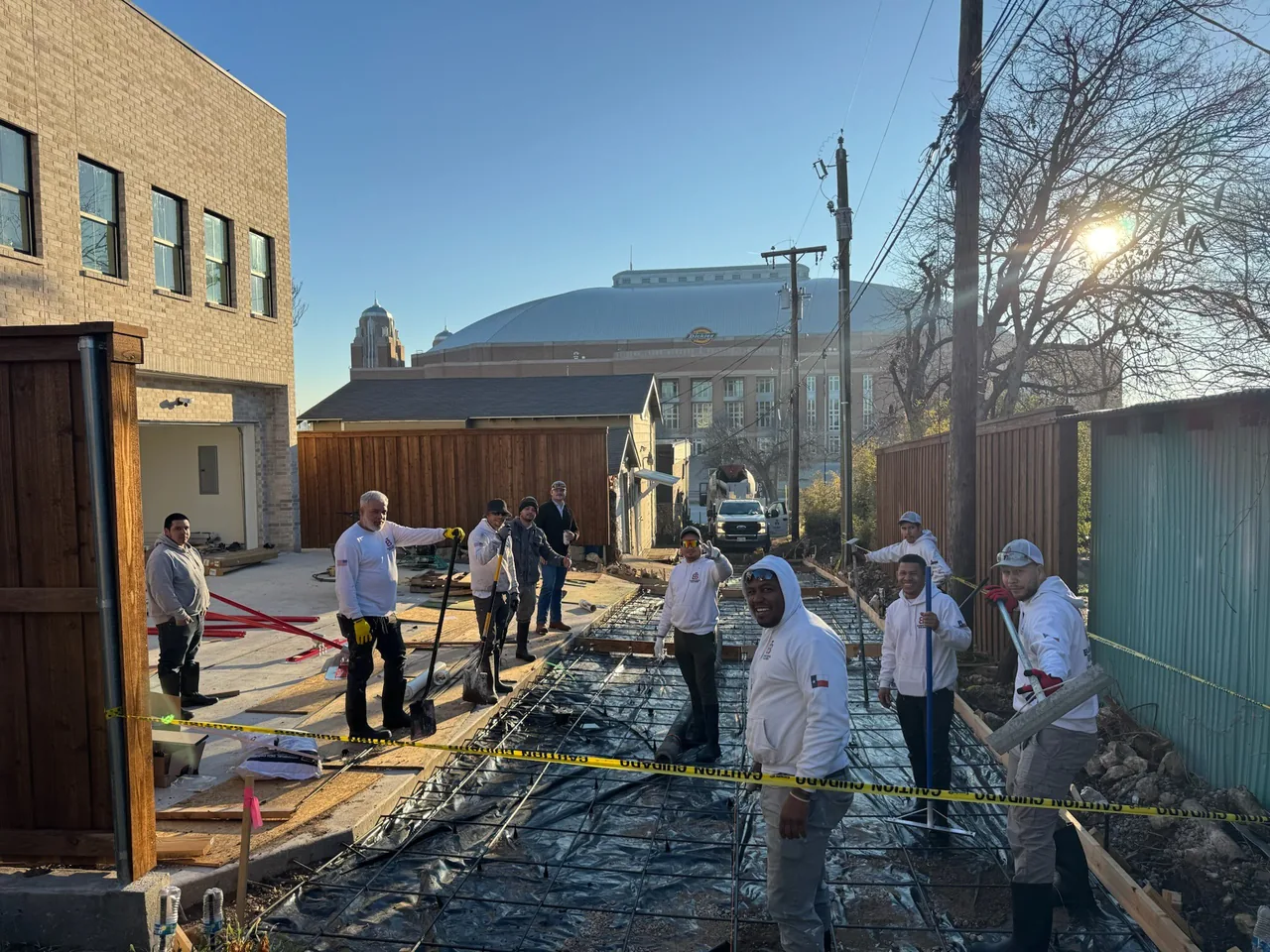
We pour concrete slabs and pads on the sites we prepare ourselves. Inside commercial finish outs, we polish the concrete floor.
Learn More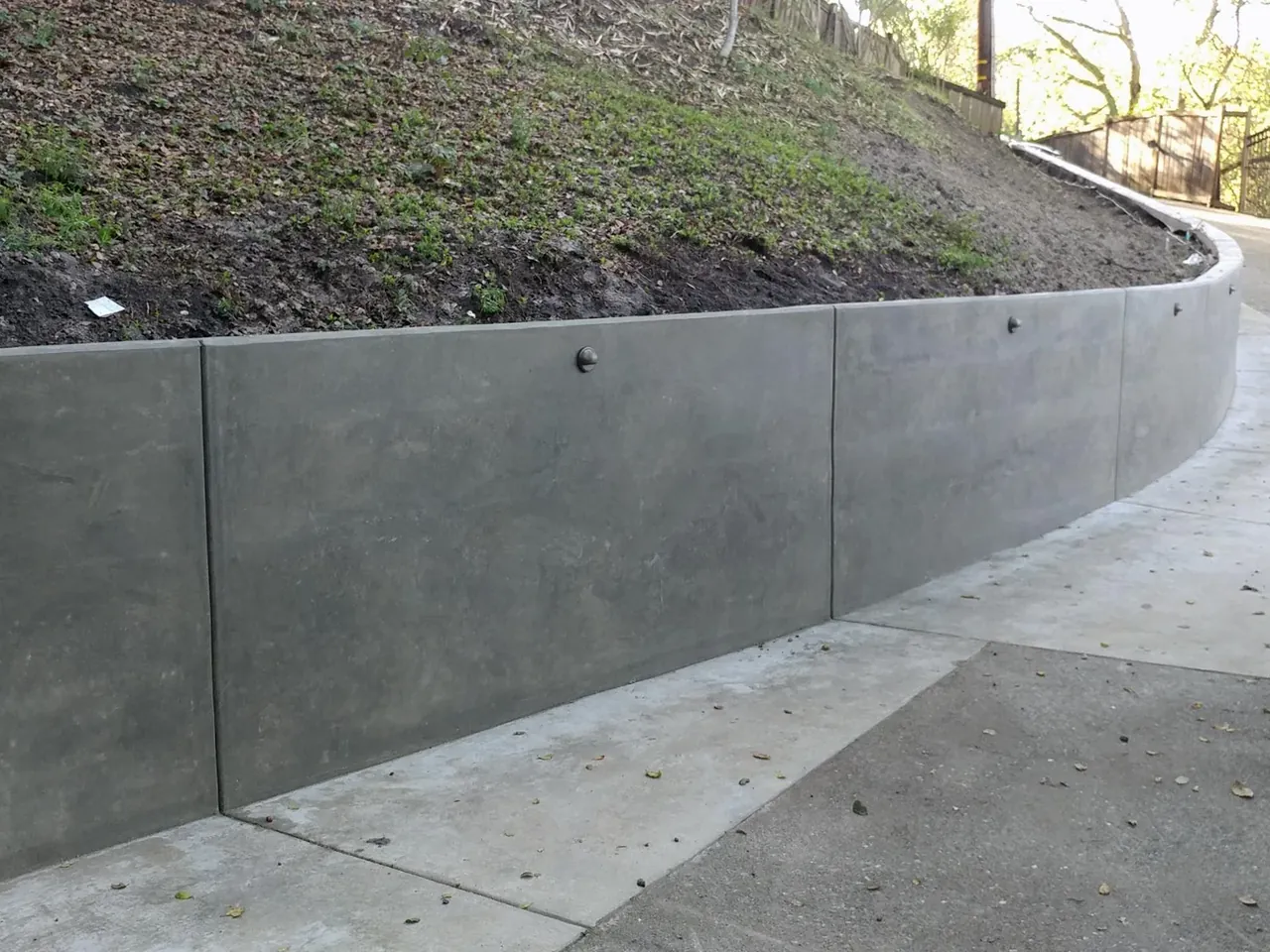
We build poured concrete retaining walls that hold a cut or a fill on commercial sites, pads and ranch land. The excavation, footing, drainage and compacted backfill come with the wall.
Learn More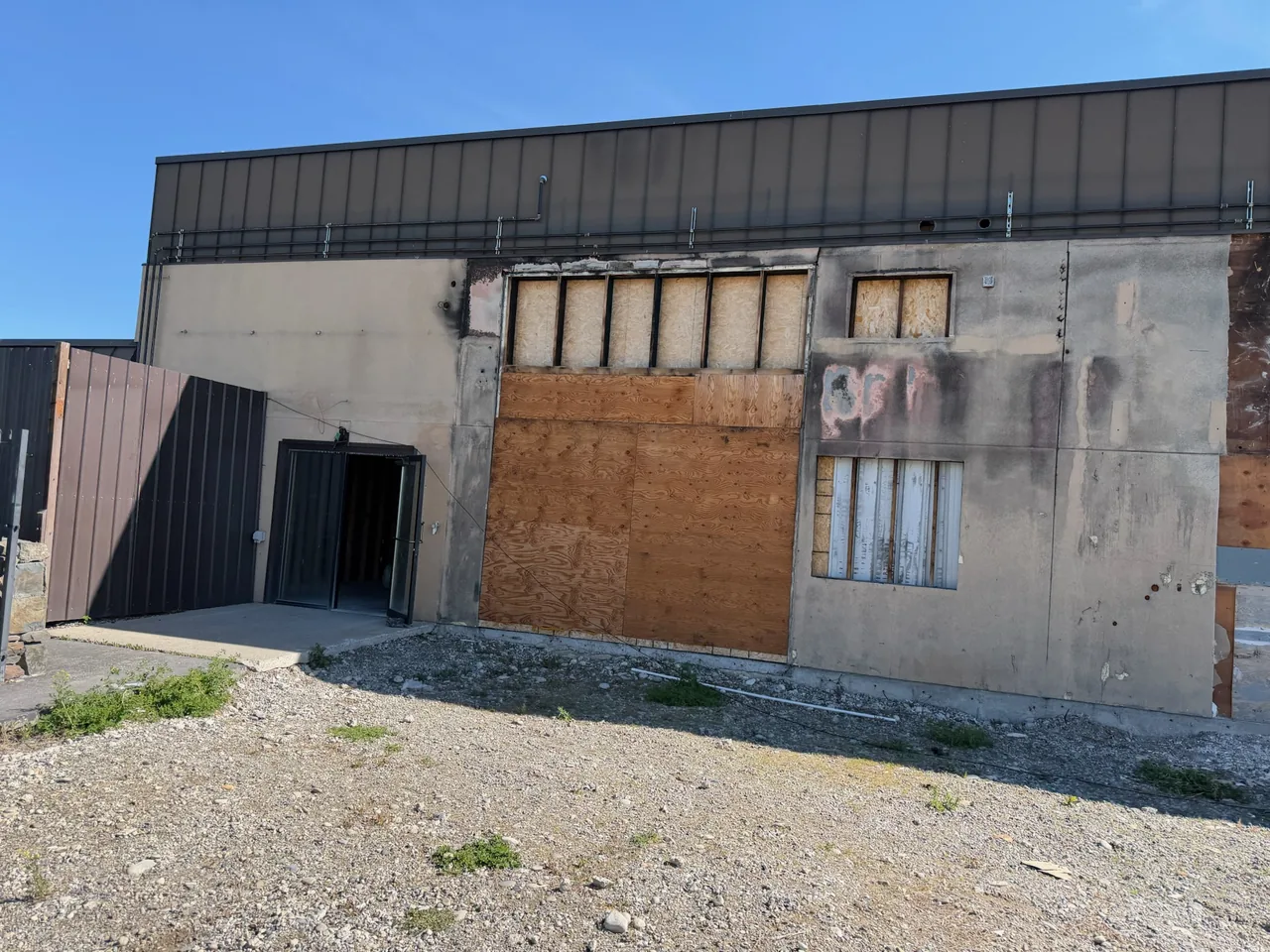
We rebuild commercial buildings and homes after a fire or a flood, once the building is dried out. The work runs to the insurance scope, from the tear-out through roofing, re-piping, drywall and finishes.
Learn More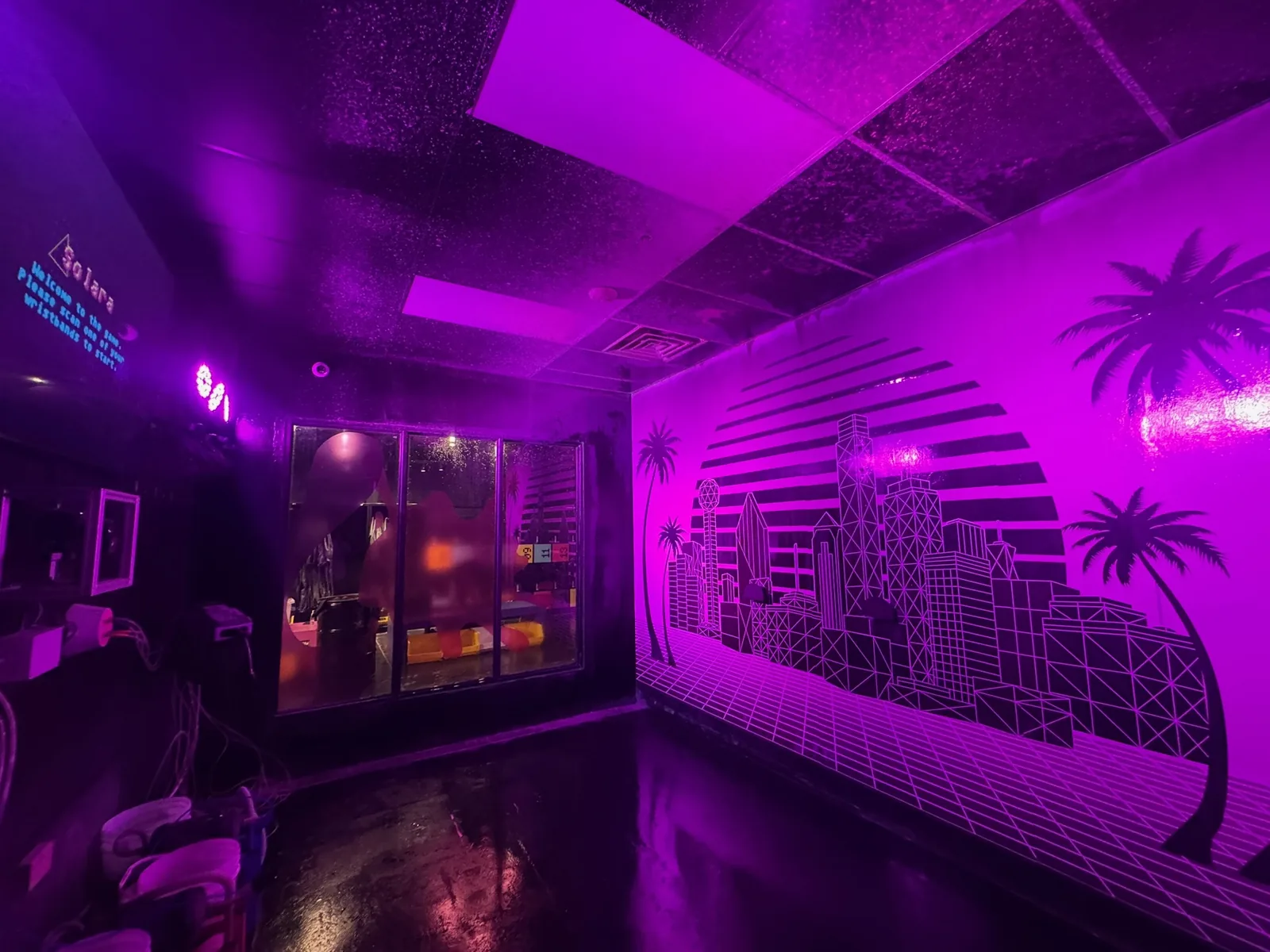
We run Ethernet and structured cabling and install AV systems inside the commercial spaces we finish out. On data center projects, we put together the server racks and run the network cabling to them.
Learn More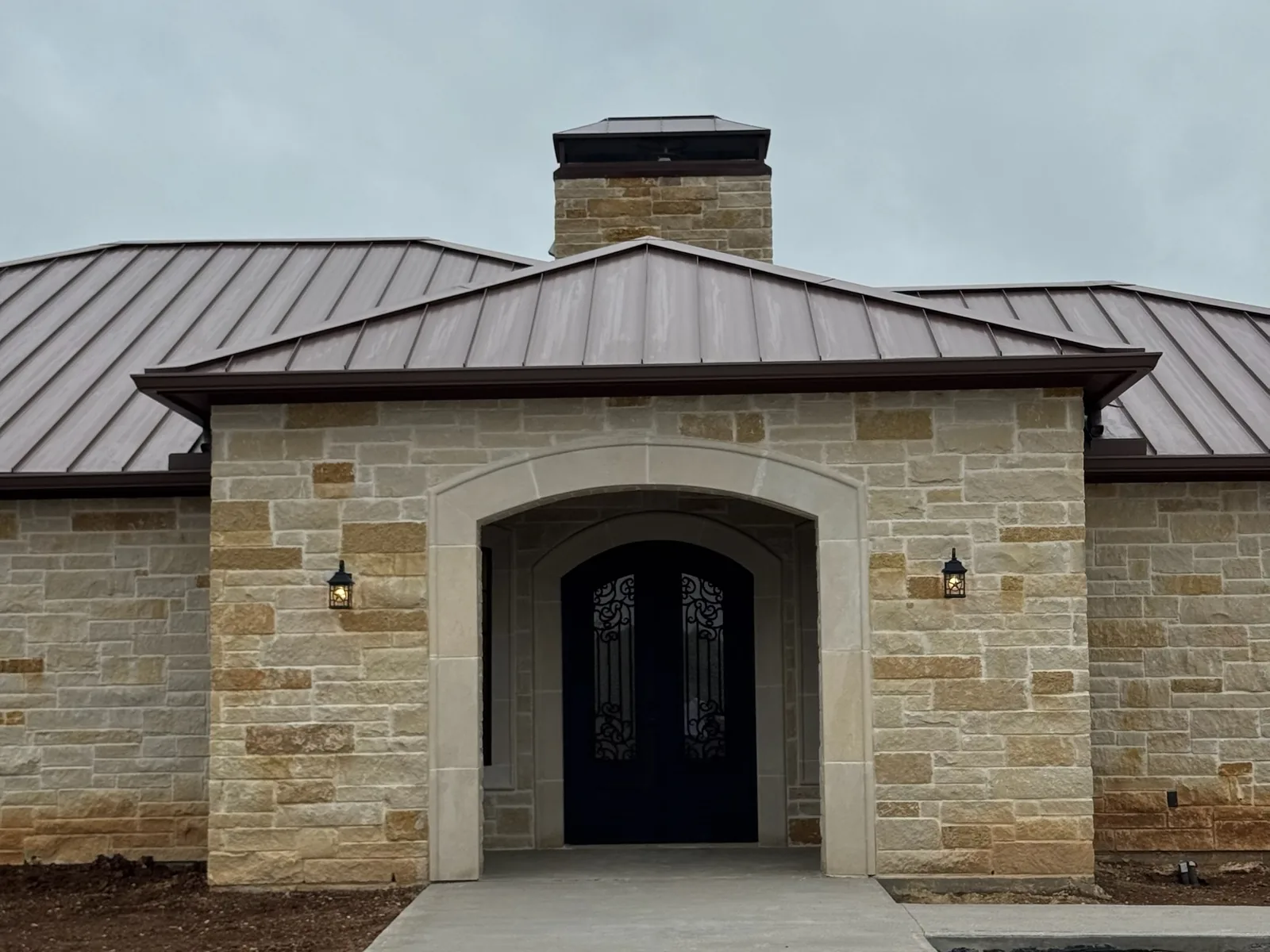
High-end custom homes for select clients, from the pad to the finished house: stonework, custom iron doors, stone arches, fireplaces, custom kitchens, baths and closets. The dirt work and the build stay with one company.
Learn MoreA few of the questions we hear most around Dallas. If yours is not here, call or text and ask.
Tell us about the land, the pad, the road or the building and where it sits. Call or text (214) 557-5106, or send the form and we will get back to you with the next step.
Tell us about the land or the building project and where it is. We look at the job and put the quote in writing.