Data Center Site Work
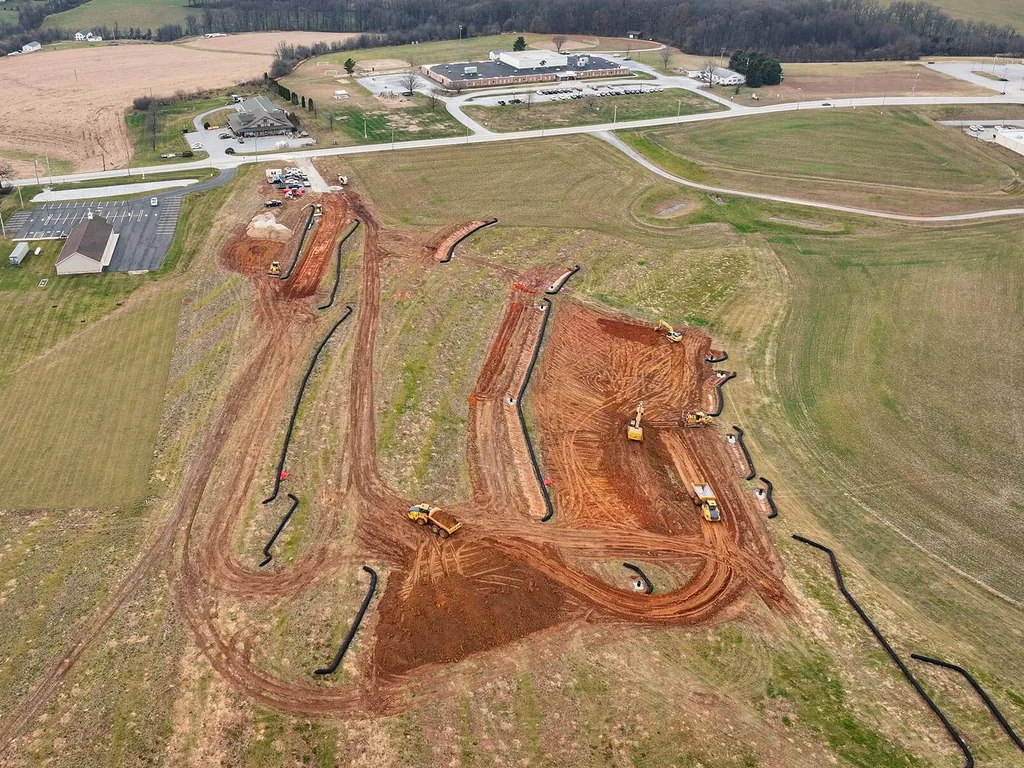
Site work for data center campuses: clearing, mass grading, building pads, access roads, conduit trenches and drainage. We build the ground the data halls stand on, to the plans and the geotechnical report.
Learn More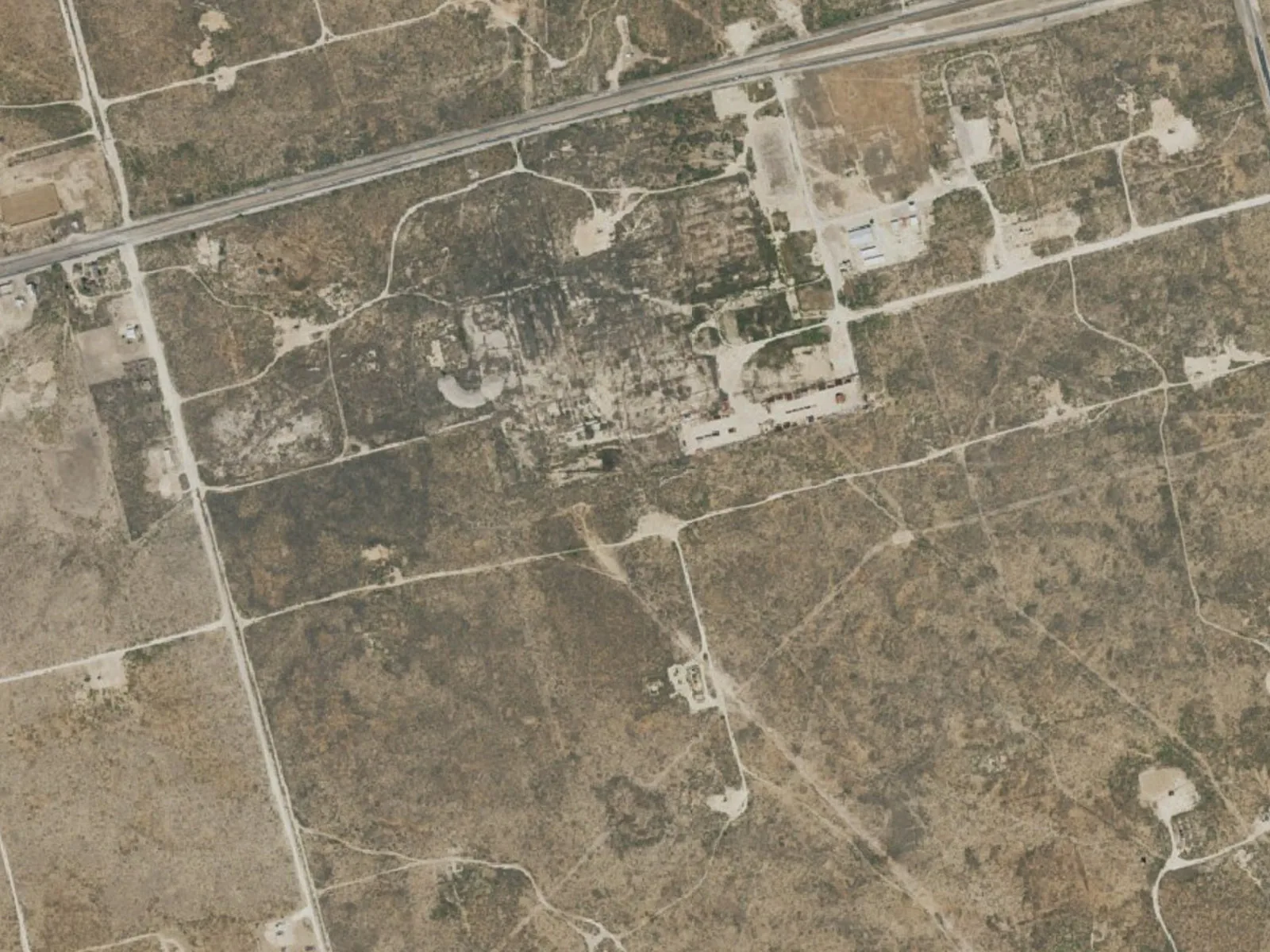
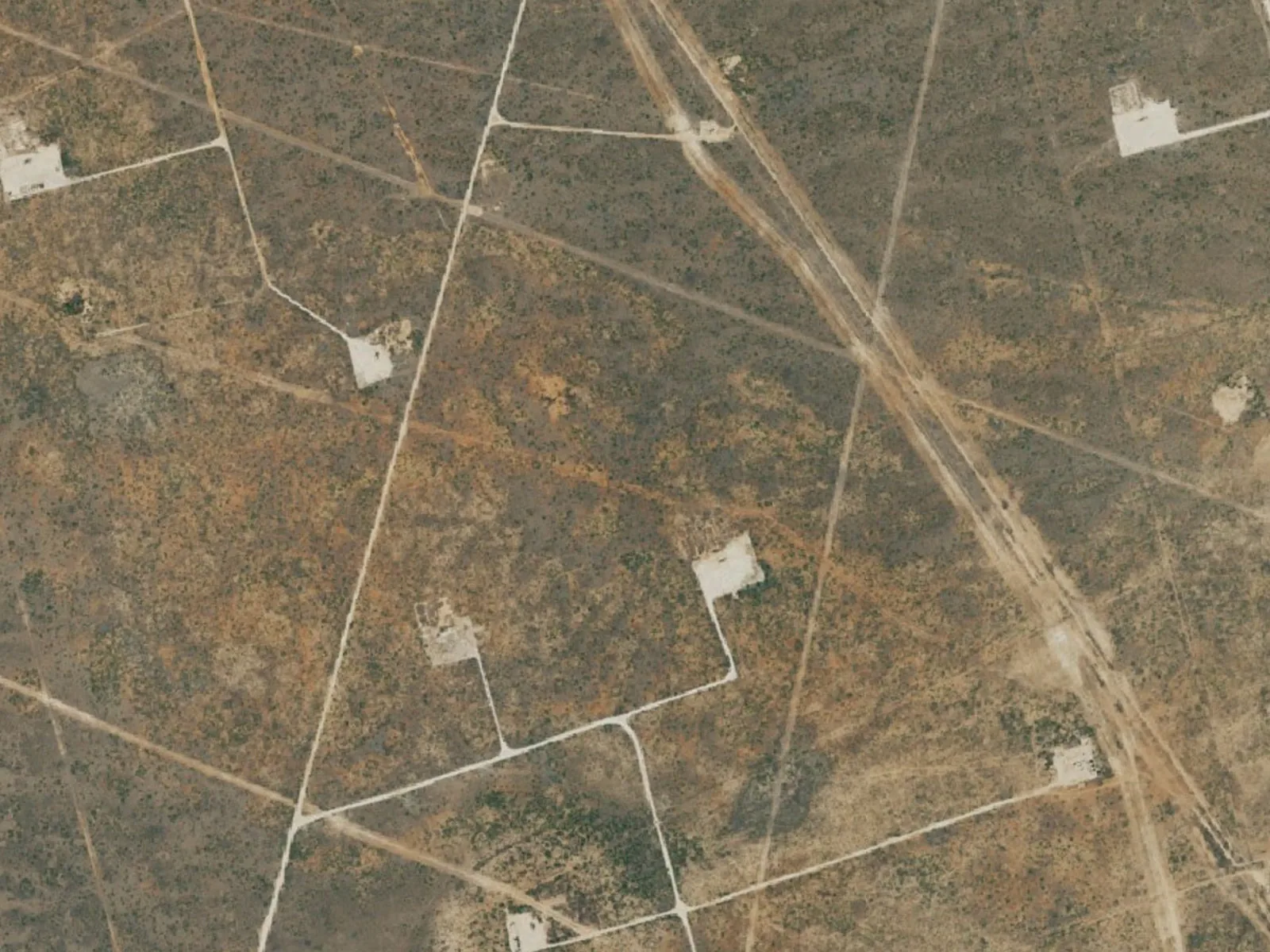
Oilfield construction is the dirt side of an oil and gas lease. It covers the pad site and the lease road, plus the drainage around them. Bankston's Builders builds caliche pad sites and lease roads for operators in West Texas and the Permian Basin. We clear the location, cut and fill it to the staked grade and compact the caliche in lifts.
Operators need the pad ready before the rig moves in, so the road and pad often run as one job. We do the work with heavy equipment our crews know well: dozers, excavators, skid steers and a compactor. Fort Worth sits at the center of our service area, and the area reaches west to the Permian Basin. Oilfield work is one part of our dirt work in Fort Worth and across Texas.
Tell us about the land or the building project and where it is. We look at the job and put the quote in writing.
A pad site has to carry a rig and the trucks that serve it. The oil and gas operator stakes the location and sets the pad size and grade. Mesquite and brush come off the pad area first. On a raw lease, that land clearing is the first day of the job.
Next we strip the topsoil and stockpile it to one side for the day the location is reclaimed. The federal surface standards for oil and gas work, the Gold Book, call for that same step. We cut the high side, fill the low side and compact the fill. The rig area gets packed to a firm, level surface.
Caliche goes on last. It comes from a pit near the lease, spread in lifts and rolled until it locks up hard. Berms and ditches around the edge steer storm water around the location.
Lease road construction starts with the route. We look at where water runs, where the draws are and where the road ties in. A route that stays on high ground and crosses fewer draws needs fewer culverts.
Then the route gets cleared and the roadbed shaped. We cut and fill to grade, compact the subgrade and place caliche in lifts. The surface gets a crown so rain sheds to the side ditches. Where the road crosses a draw, a culvert carries the water under it.
A lease road has to hold up under traffic from the day it opens. A thicker caliche lift over a well compacted base carries loaded trucks and rig moves. Longer ranch roads and private roads are part of our road building work, with the same base and drainage rules.
The Permian Basin runs about 250 miles wide and 300 miles long across West Texas. The Railroad Commission of Texas counts more than 7,000 fields in it. Our oilfield services here are construction work: the location and the road to it, with the drainage around both. Drilling, pipeline installation and well services belong to other contractors.
Midland County is flat land broken by draws, with sandy loam soils and no permanent surface water. Caliche, a cemented layer of calcium carbonate, lies under much of the basin, often within two feet of the surface. Midland and Ector Counties get about 14 inches of rain a year. A dry draw can still run hard after one storm.
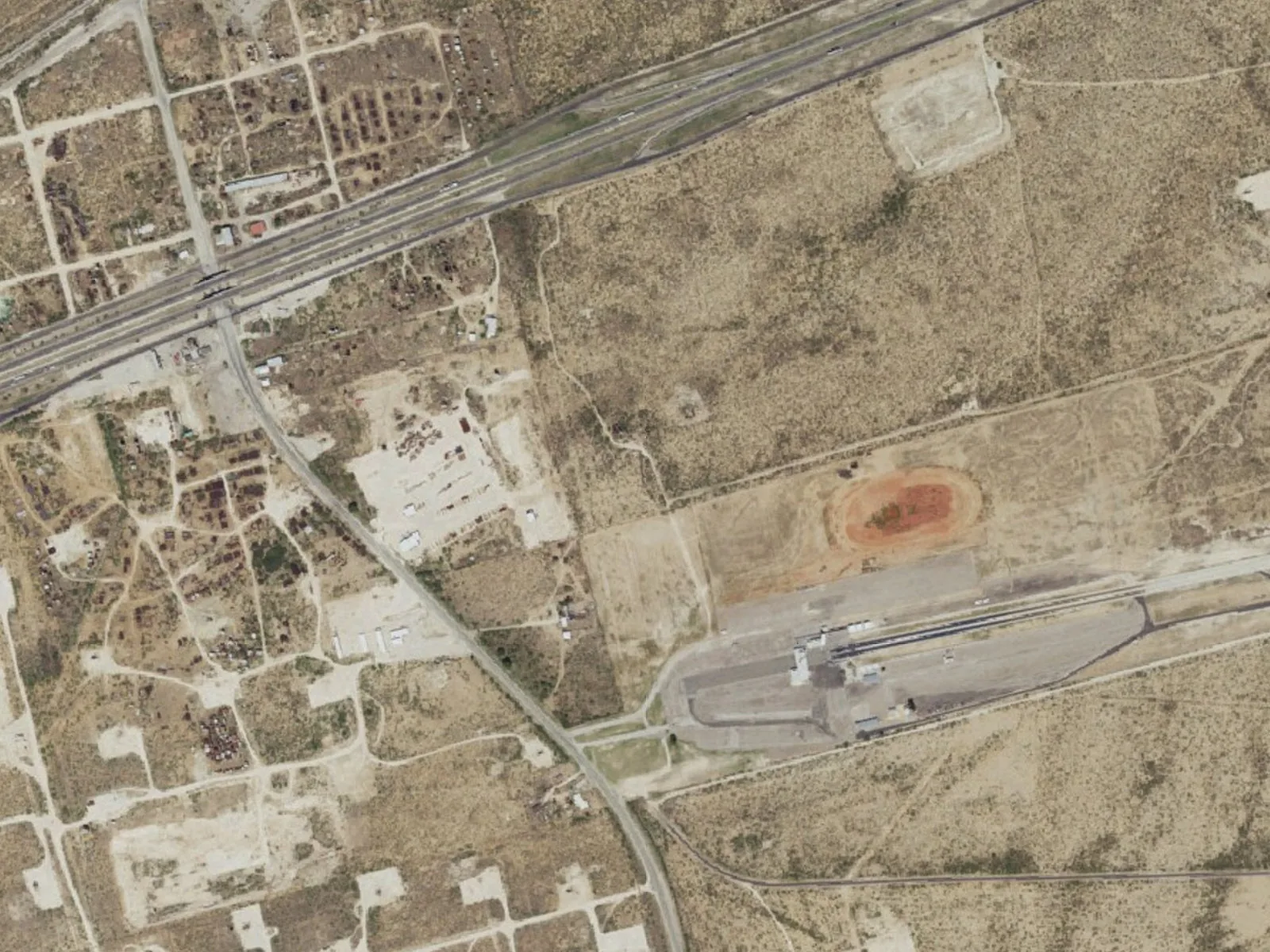
Surface owners out here have rules of their own. University Lands manages about 2.1 million acres, most of it in West Texas. It requires email notice before anyone loads caliche or builds a road or location on its land. It also caps pad sizes. Midland is part of our service area, and our dirt work in Midland page covers the town itself.
Call or text for a written quote. We work about 300 miles around Fort Worth across DFW, West Texas and the Hill Country.
(214) 557-5106From the first call or text to the finished work, here is how it goes.
Call or text (214) 557-5106, or send the form. Tell us what the project is, where the land or the building sits and when you need it done.
We go over the tract or the space, the plans and the access for heavy equipment. On dirt work we also look at the ground and where the water runs.
The scope and the price go in writing before any work starts. The quote spells out what gets cleared, cut, built or finished.
Machines and crews come in on the set date. On a dirt job the work runs in order: clearing, the pad or the road, the trenches, then the drainage. On a build, the trades follow the schedule.
The ground is left graded and compacted to the plan, ready for concrete, a building or a rig. On a finish out or a custom home, the work runs through to the finished space.
Common questions about oilfield construction around Fort Worth and the rest of our Texas service area. If yours is not here, call or text and ask.
Site work for data center campuses: clearing, mass grading, building pads, access roads, conduit trenches and drainage. We build the ground the data halls stand on, to the plans and the geotechnical report.
Learn More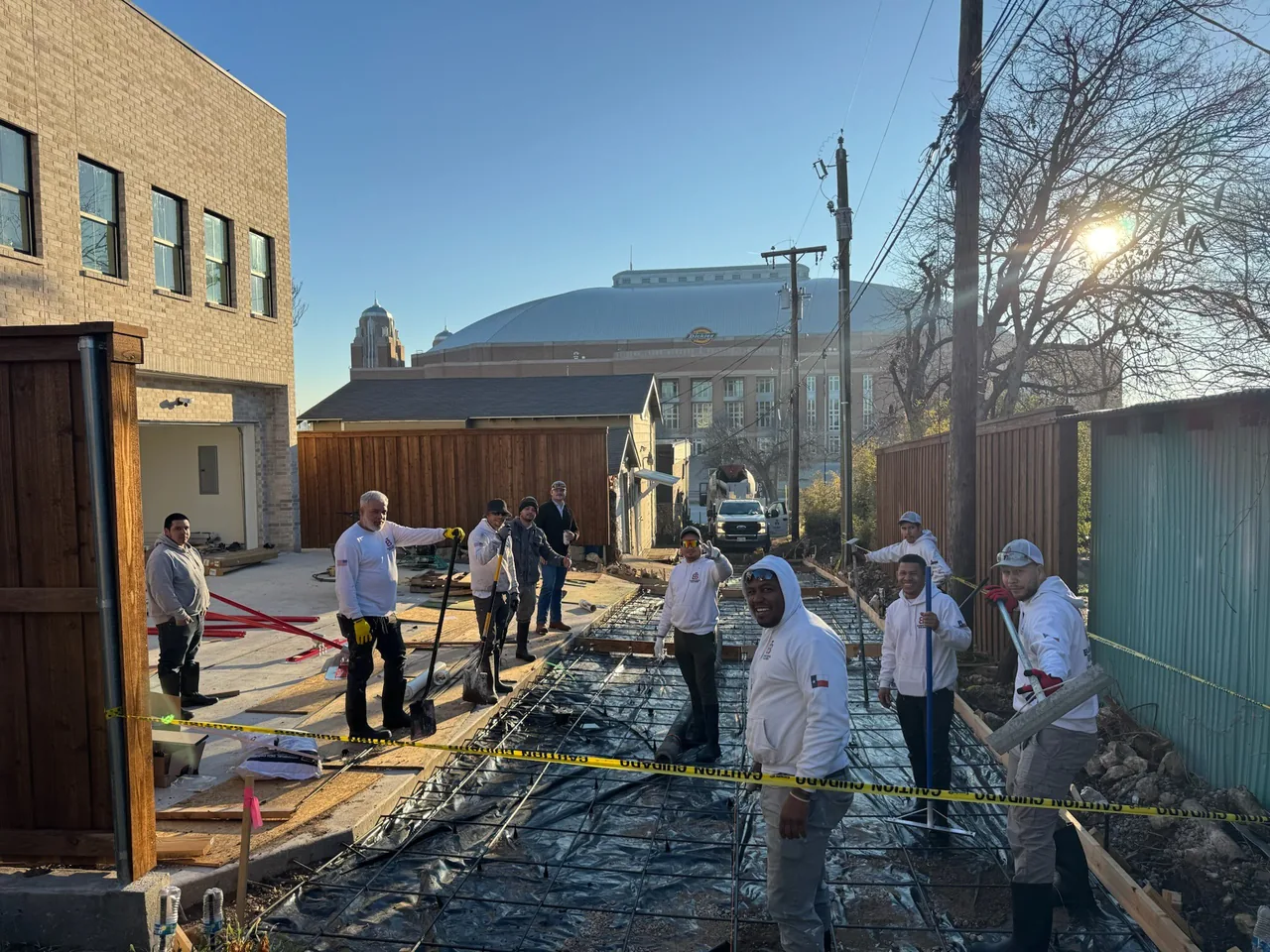
We pour concrete slabs and pads on the sites we prepare ourselves. Inside commercial finish outs, we polish the concrete floor.
Learn More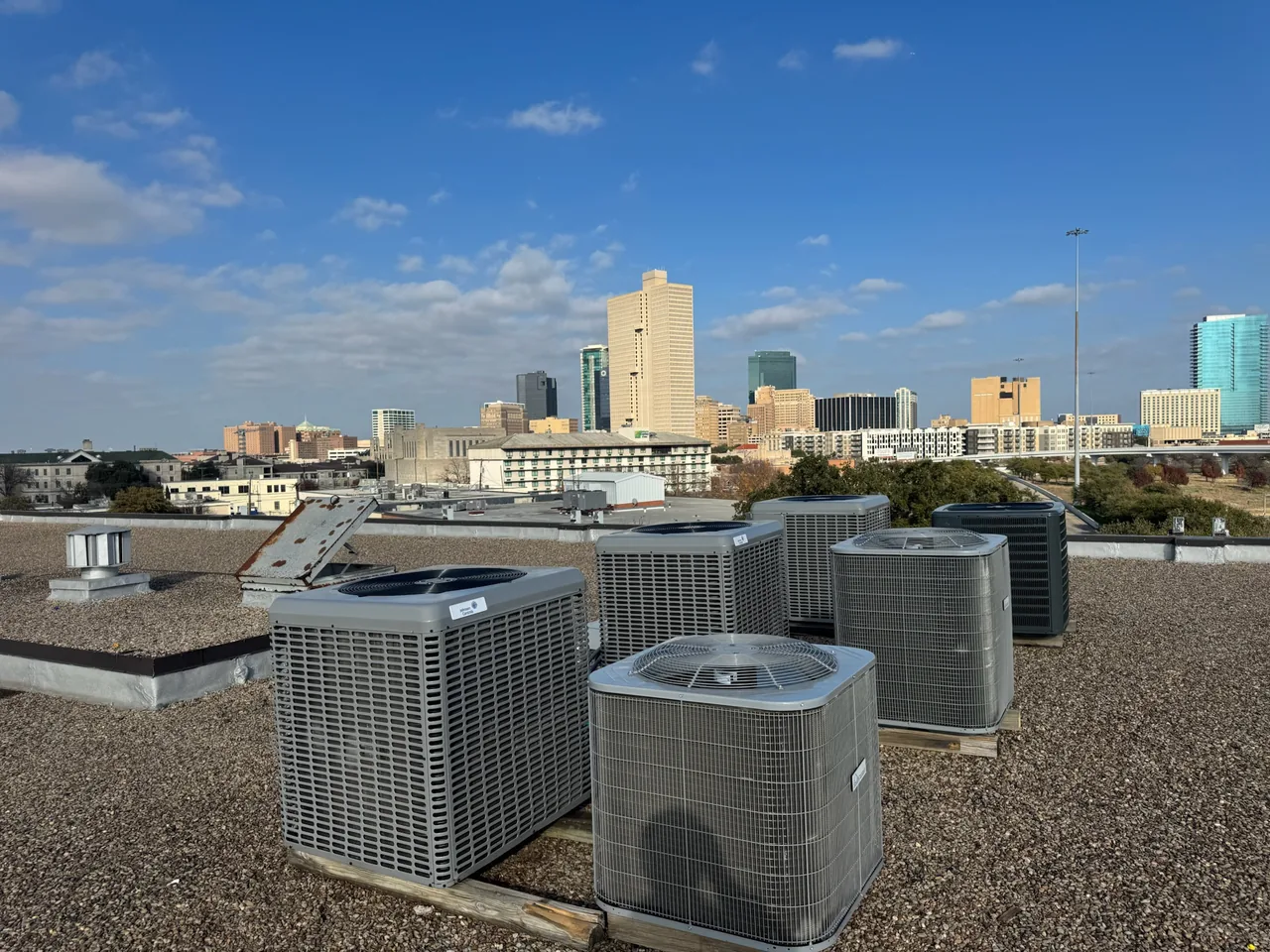
We finish out retail and commercial spaces as one job: roofing, HVAC, polished concrete, drywall, insulation, doors, cabinets and countertops. One company manages every trade from the bare shell to the finished space.
Learn MoreExcavators, dozers, compactors and skid steers do the work, run by crews with real expertise on each machine. The jobs are sized to match: multi-acre clearing, commercial pads, long roads and oilfield locations.
The pad, the concrete and the building can all run through the same company. A custom home starts on a pad we cut and compacted. A commercial project can go from raw land to a finished tenant space.
Developers, oil and gas operators, data center builders and ranch owners all bring us ground to move. Each site gets its own scope, whether that is a detention pond, a lease road or a campus pad.
Tell us about the land or the building and where it sits. We look at the job, then put the scope and the price in writing before any work starts.
Tell us about the land, the pad, the road or the building and where it sits. Call or text (214) 557-5106, or send the form and we will get back to you with the next step.
Tell us about the land or the building project and where it is. We look at the job and put the quote in writing.