Dirt work, land clearing and road building around Fort Worth, TexasDirt work and land clearing in Fort Worth
Bankston's Builders
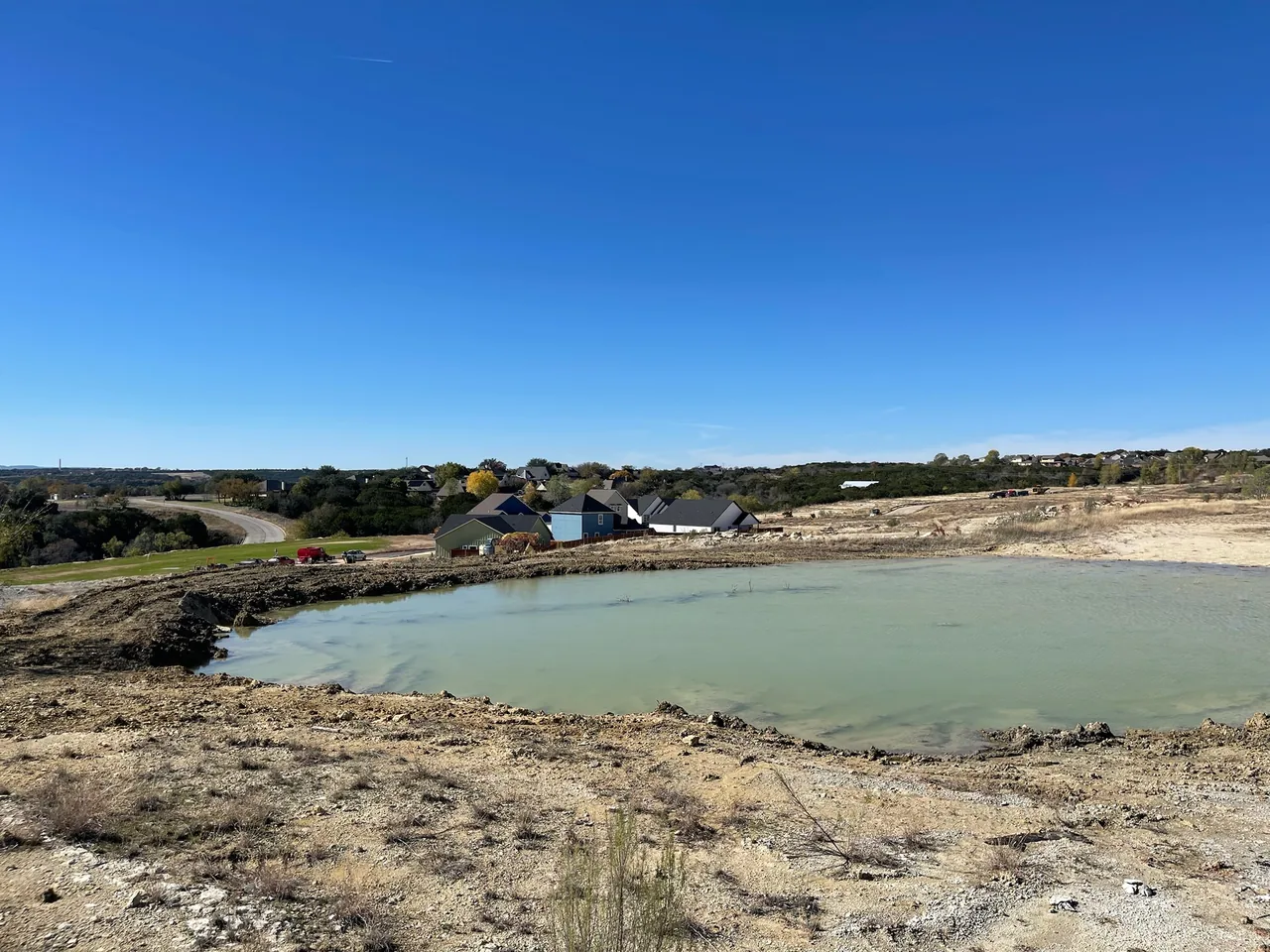
New pond dug into rock and filling with water, site drainage
Our Services

Site Drainage in Fort Worth, TX

Site Drainage · Fort Worth, TX

Storm water moved off your pads and ranch roads

Site drainage is the dirt work that decides where storm water goes on your land. Standing water on a pad or a washed-out ranch road means the water has no planned path. Bankston's Builders cuts the ditches and swales and sets the culverts and crossings that carry it away. We also build the stock tanks, ponds, dams and detention basins that hold it.

We work as the drainage contractor on commercial sites, data center campuses, oilfield locations and ranches. Drainage often goes in with land grading on a pad, since the grade decides which way water runs. Site drainage is one part of our dirt work in Fort Worth and on ranch land farther west. Call or text (214) 557-5106 to talk through your site.

What We Handle

  • Drainage ditches and swales cut to grade with heavy equipment
  • Culverts set where ranch roads and lease roads cross a draw
  • Low-water crossings on wide, shallow draws
  • Stock tank and pond construction on ranch land
  • Earthen dams built in compacted layers over a core trench
  • Spillways that carry storm overflow around the dam
  • Detention basins on commercial sites, built to the engineer's plan
  • Grading that moves water off pads and roads

Request a Site Drainage Quote

Tell us about the land or the building project and where it is. We look at the job and put the quote in writing.

Drainage Ditches and Culverts for Pads and Ranch Roads

Every site drainage job starts with two questions: where the water comes from, and where it can go. On a pad, a swale or ditch carries runoff away from the building area at a steady fall.

Where a road crosses a draw, a culvert lets storm water pass under the road base. A culvert too small for the flow sends water over the top and cuts the road away. On a wide, shallow draw, a low-water crossing lets the flow run across the road instead. Culverts on a new ranch or lease road go in with the road building work.

On development projects in Fort Worth, the city's stormwater review sets the design rules. Any ditch or culvert carrying more than 10 cubic feet per second needs a hydraulic model. The project's civil engineer runs that model, and we cut the ditch to the grades it sets.

What Goes Into Stock Tank and Pond Construction?

A stock tank is the Texas word for a farm pond. The USDA's pond handbook describes two kinds. An embankment pond holds water behind a dam built across a draw. An excavated pond is dug out of nearly level ground and holds a smaller supply.

The handbook rates clay and silty clay as excellent pond soils, and sandy clay as usually satisfactory. The drainage area above the tank has to be big enough to keep water in it through a drought. Too big, and storms call for costly overflow structures.

The site is cleared, and the topsoil is set aside for later. A core trench under the dam is filled with clay in thin layers, each compacted before the next. A spillway passes storm runoff around the dam before the water can top it. The handbook warns that a dam with too small a spillway will probably be destroyed in its first severe storm.

Detention and Erosion Control on Fort Worth Commercial Sites

Roofs and paving shed more water than open ground, and the city says that raises flooding risk. In Fort Worth, disturbing 1 acre or more calls for an approved grading permit and a stormwater drainage study. If downstream pipes and channels cannot carry the new flows, the developer can improve them or detain the water.

A detention basin holds that water and releases it through an outlet at pre-developed levels. We cut the basin and shape the swales that feed it to the engineer's grades. When a Fort Worth plan proposes detention, the city requires a storm water facilities maintenance agreement. This work often runs alongside site preparation for the building pads.

Erosion control is part of the rules on bigger sites. The TCEQ construction stormwater permit covers work that disturbs an acre or more of soil and drains to surface water. It calls for a stormwater pollution prevention plan before construction starts. The USDA handbook says grass planted soon after construction can protect disturbed ground from erosion.

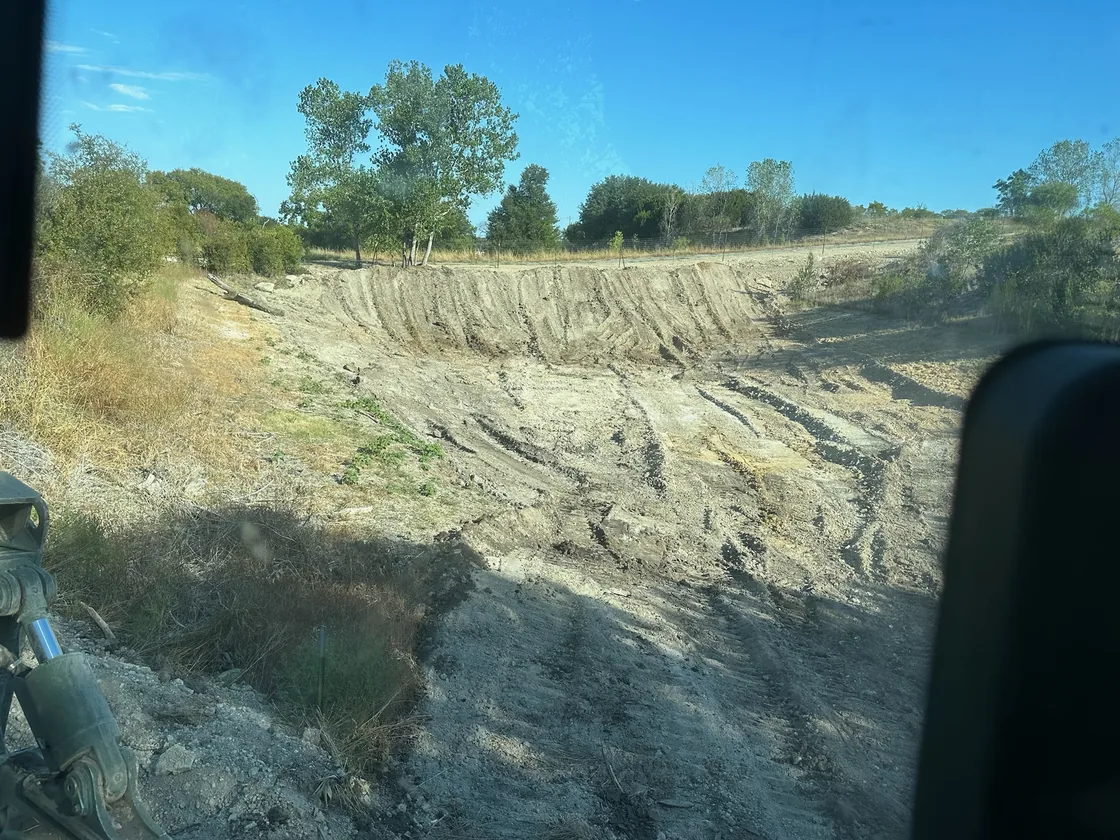
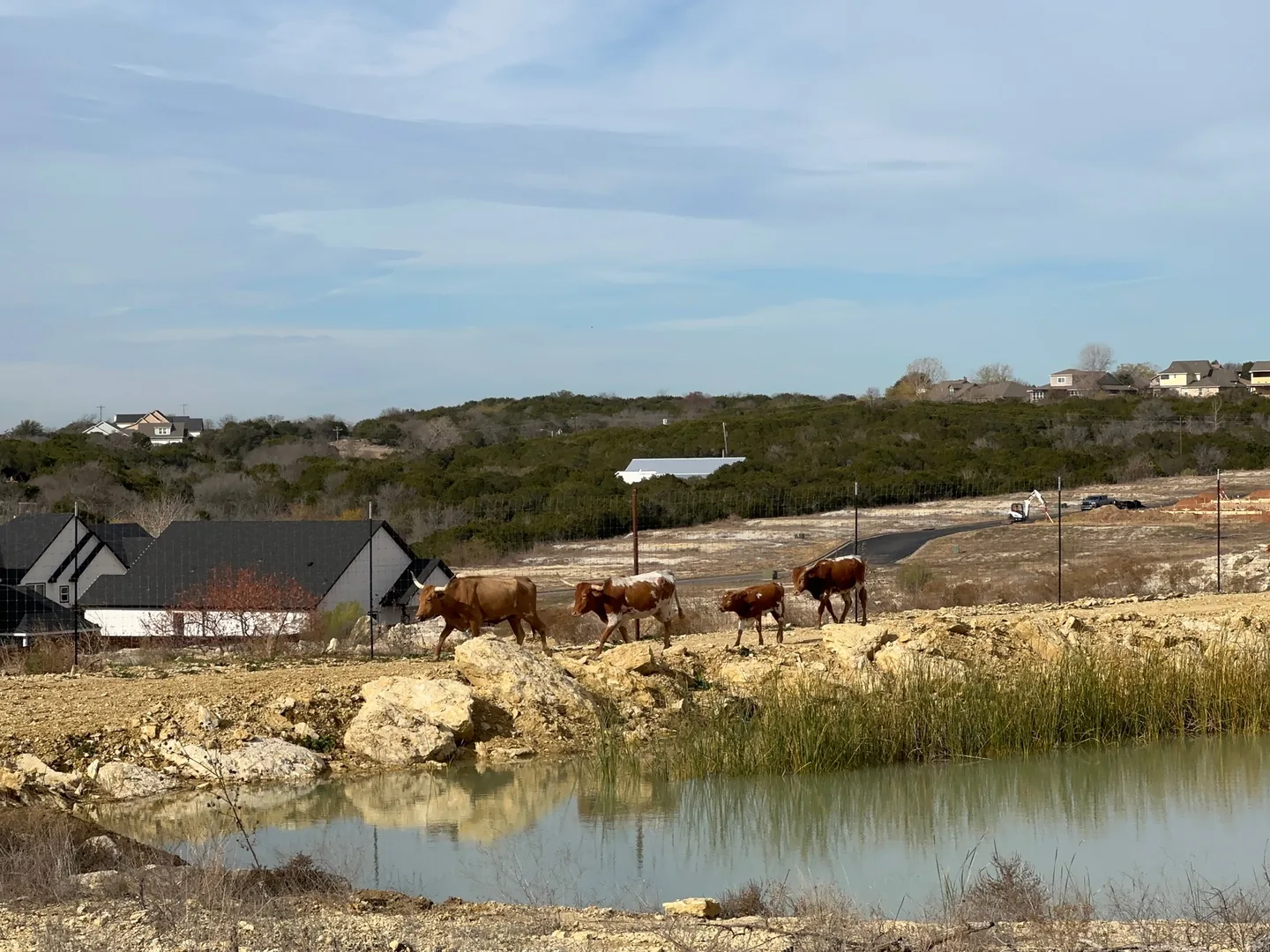
Graded drainage basin cut into a slope, seen from the machine cab, site drainage Longhorn cattle walking the rocky bank of a ranch stock tank, site drainage

Ready to get started?

Call or text for a written quote. We work about 300 miles around Fort Worth across DFW, West Texas and the Hill Country.

(214) 557-5106
How We Work

How a Job With Bankston's Builders Runs

From the first call or text to the finished work, here is how it goes.

1

Call or Text

Call or text (214) 557-5106, or send the form. Tell us what the project is, where the land or the building sits and when you need it done.

2

We Look at the Job

We go over the tract or the space, the plans and the access for heavy equipment. On dirt work we also look at the ground and where the water runs.

3

The Quote in Writing

The scope and the price go in writing before any work starts. The quote spells out what gets cleared, cut, built or finished.

4

Equipment Moves In

Machines and crews come in on the set date. On a dirt job the work runs in order: clearing, the pad or the road, the trenches, then the drainage. On a build, the trades follow the schedule.

5

Finished and Ready for What Comes Next

The ground is left graded and compacted to the plan, ready for concrete, a building or a rig. On a finish out or a custom home, the work runs through to the finished space.

FAQ

Site Drainage Questions, Answered

Common questions about site drainage around Fort Worth and the rest of our Texas service area. If yours is not here, call or text and ask.

Call (214) 557-5106

Do I need a permit to build a stock tank in Texas?
Texas Water Code Section 11.142 lets you build a dam on your own property without a water right permit. The limit is 200 acre-feet of normal storage for domestic and livestock use. The exemption does not apply to a commercial operation. A dam across a creek can also need a federal Clean Water Act permit from the U.S. Army Corps of Engineers.
Do state dam safety rules apply to a ranch dam?
Texas Water Code Section 12.052 exempts some private dams from the state's dam safety requirements. The dam must hold less than 500 acre-feet at maximum capacity and carry a low or significant hazard rating. It must also sit outside city limits, in a county with fewer than 350,000 people. Owners of exempt dams still follow the TCEQ's operation and maintenance rules.
Can drainage work send water onto a neighbor's land?
Texas law limits it. Water Code Section 11.086 bars diverting or impounding surface water in a way that damages another person's property by overflow. A drainage plan should keep runoff on its natural path or send it to a proper outlet. Questions about a dispute go to an attorney.
Why do some stock tanks leak?
Seepage depends on the soil under the water. The USDA's pond handbook warns against porous soil or layers of sand and gravel below the pond. Where clay runs thin, one fix in the handbook is a compacted clay blanket with at least 20 percent clay. Its minimum is 12 inches thick where the water is less than 10 feet deep.
When does a ranch pond need an engineer?
The USDA pond handbook's advice has limits. It covers only dams under 35 feet high whose failure would not endanger lives or buildings. It also says to hire an engineer when the soil shows signs of dispersive clay.
How much does site drainage cost?
The price follows how much dirt moves, plus any culvert pipe and spillway work. The soil matters too, because a tank in sandy ground may need a clay blanket. We look at the job anywhere in our service area and put the quote in writing. Call or text (214) 557-5106 to start.
More From Bankston's Builders

Work That Pairs With Site Drainage

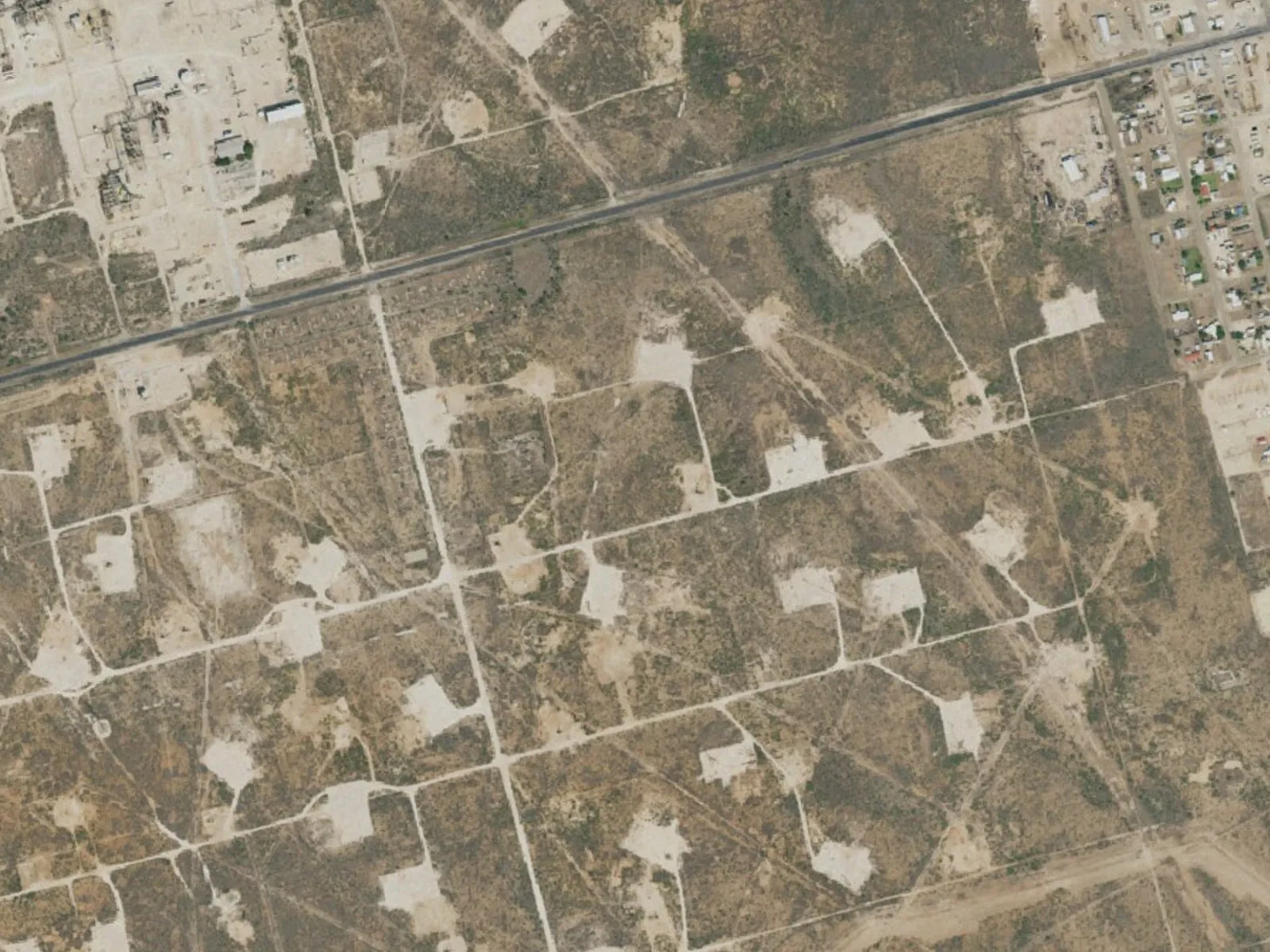
Aerial view of well pads and lease roads on flat West Texas land, oilfield construction

Oilfield Construction

We build caliche pad sites and lease roads for oil and gas operators in West Texas and the Permian Basin. Grading and drainage around the location are part of the job, done by crews with real expertise on heavy equipment.

Learn More
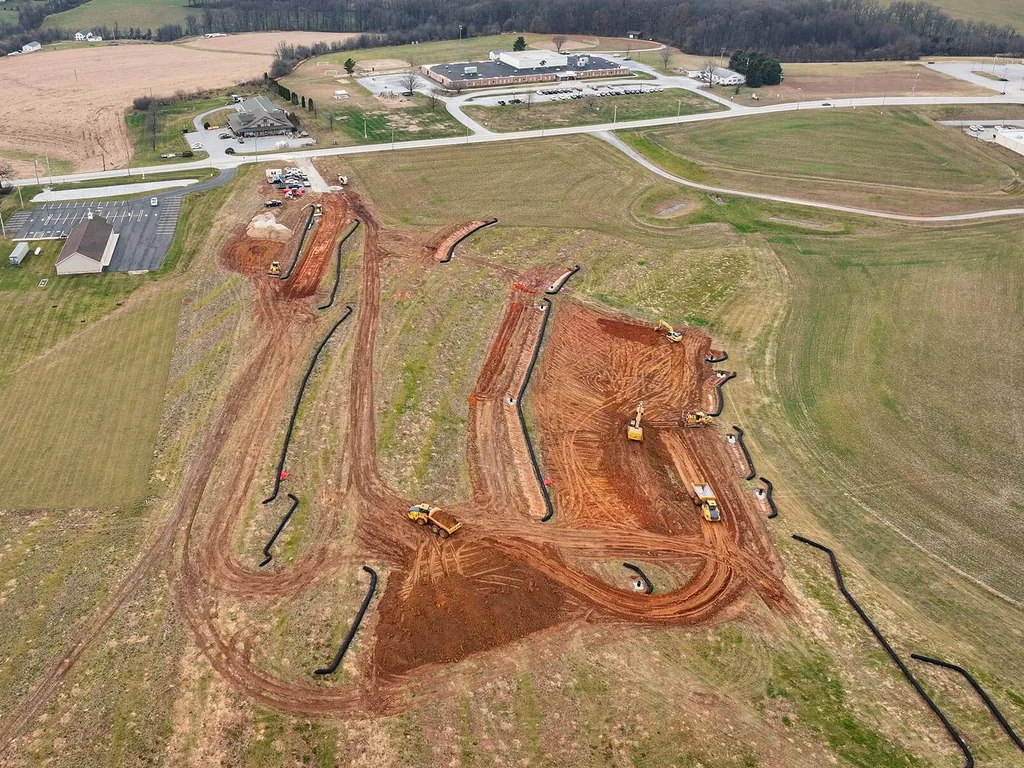
Aerial view of excavators grading pads and cuts on a large site, data center site work

Data Center Site Work

Site work for data center campuses: clearing, mass grading, building pads, access roads, conduit trenches and drainage. We build the ground the data halls stand on, to the plans and the geotechnical report.

Learn More
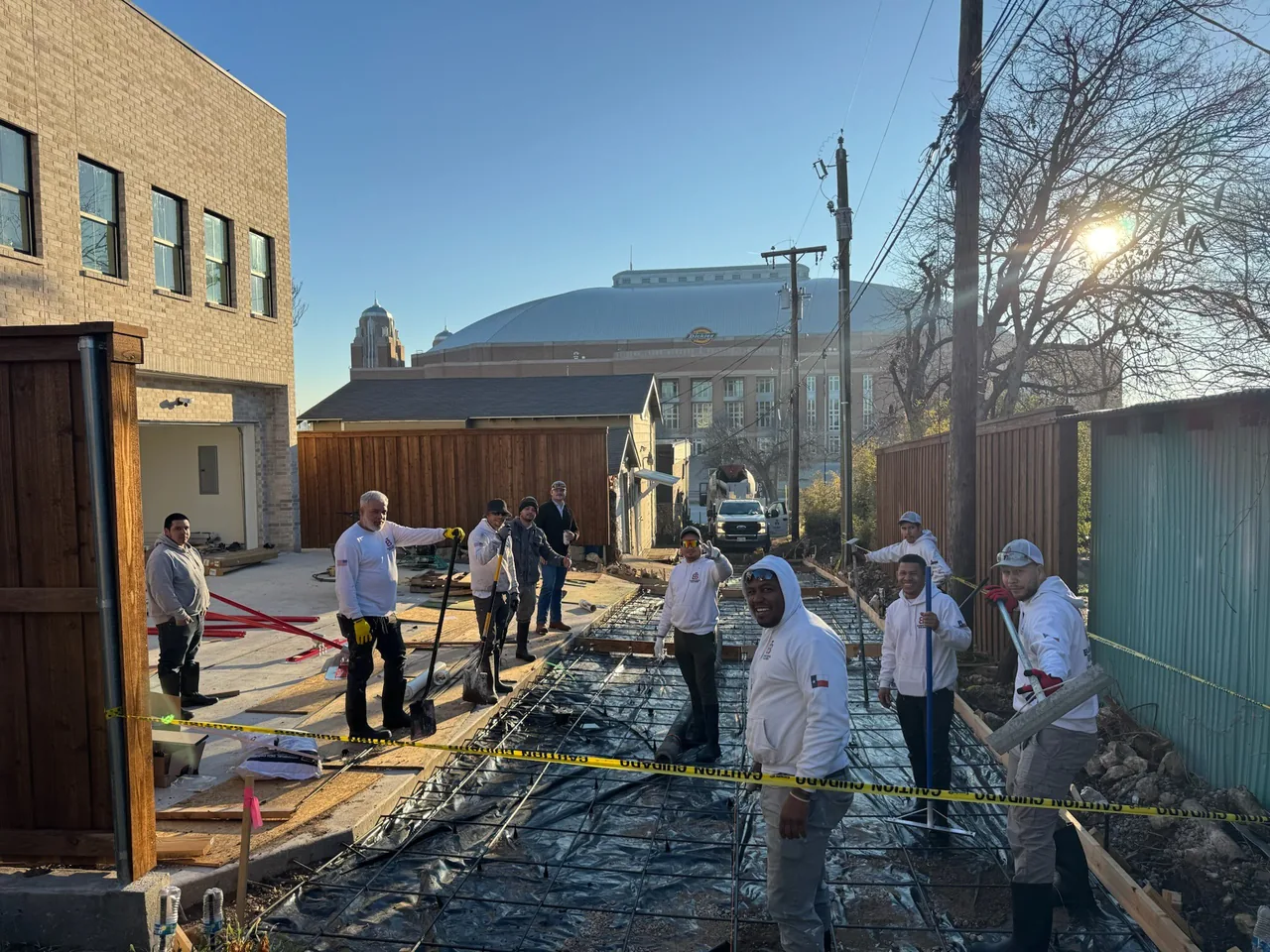
Crew getting a rebar slab ready to pour beside an arena in Fort Worth, concrete work

Concrete Work

We pour concrete slabs and pads on the sites we prepare ourselves. Inside commercial finish outs, we polish the concrete floor.

Learn More
Why Choose Bankston's Builders

Dirt Work and Construction Around Fort Worth

Heavy Equipment on Every Job

Excavators, dozers, compactors and skid steers do the work, run by crews with real expertise on each machine. The jobs are sized to match: multi-acre clearing, commercial pads, long roads and oilfield locations.

Dirt Work and the Build, One Company

The pad, the concrete and the building can all run through the same company. A custom home starts on a pad we cut and compacted. A commercial project can go from raw land to a finished tenant space.

Commercial, Oilfield, Data Center and Ranch Work

Developers, oil and gas operators, data center builders and ranch owners all bring us ground to move. Each site gets its own scope, whether that is a detention pond, a lease road or a campus pad.

The Quote Goes in Writing First

Tell us about the land or the building and where it sits. We look at the job, then put the scope and the price in writing before any work starts.

Guides and Resources

Site Drainage Guides

Request a Quote

Get In Touch With Bankston's Builders

Tell us about the land, the pad, the road or the building and where it sits. Call or text (214) 557-5106, or send the form and we will get back to you with the next step.

  • Call or text (214) 557-5106
  • Serving Fort Worth, TX and DFW, West Texas and the Hill Country
  • Written quotes · dirt work, commercial finish outs and custom homes

Request a Quote

Tell us about the land or the building project and where it is. We look at the job and put the quote in writing.

Call (214) 557-5106