
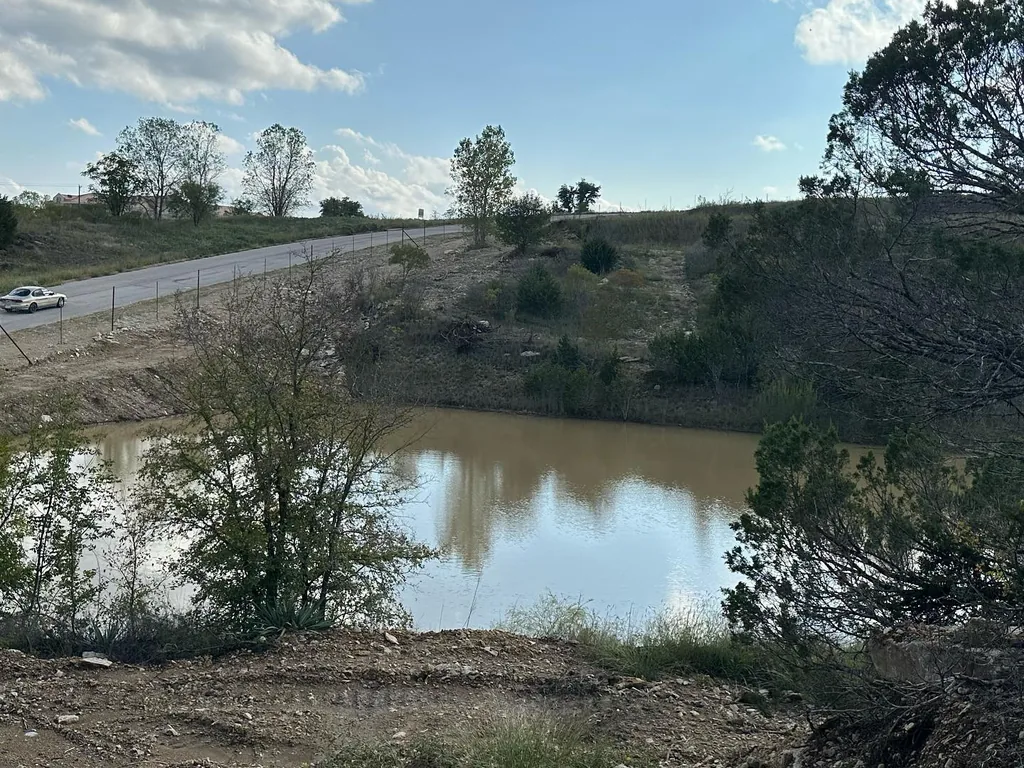
Site Drainage
We cut ditches and swales and set culverts that carry storm water off pads and roads. We also build stock tanks, ponds, dams and detention basins with heavy equipment.
Learn More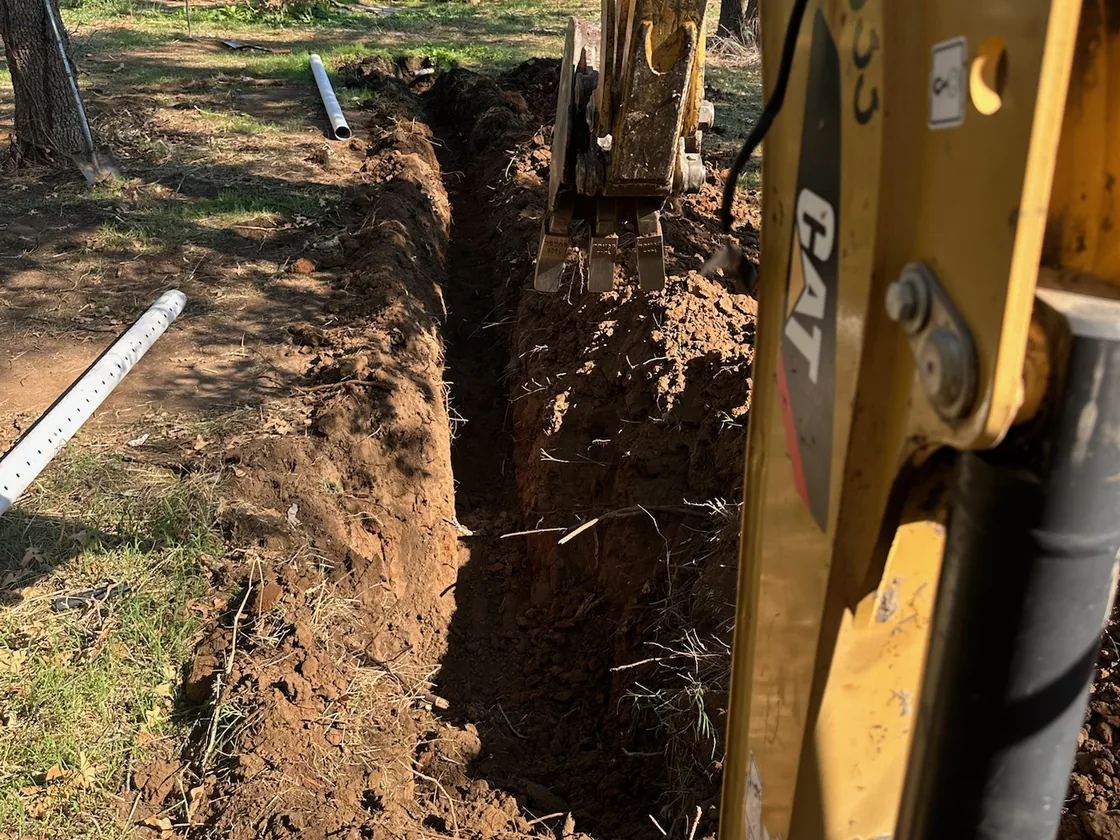
Utility trenching gets a site ready for its water lines and electrical conduit. Bankston's Builders digs those trenches with heavy equipment, along the route and to the depth on the plans. Once the lines are in, we backfill each trench and compact it. Trenching is one part of the dirt work we do in Fort Worth and across our Texas service area.
Trenching often shares a schedule with site preparation, since the lines reach the pad before the building goes up. The hookups belong to other trades. A licensed plumber or a licensed electrician makes the connections. Our part is the trench and the compacted backfill over it.
Tell us about the land or the building project and where it is. We look at the job and put the quote in writing.
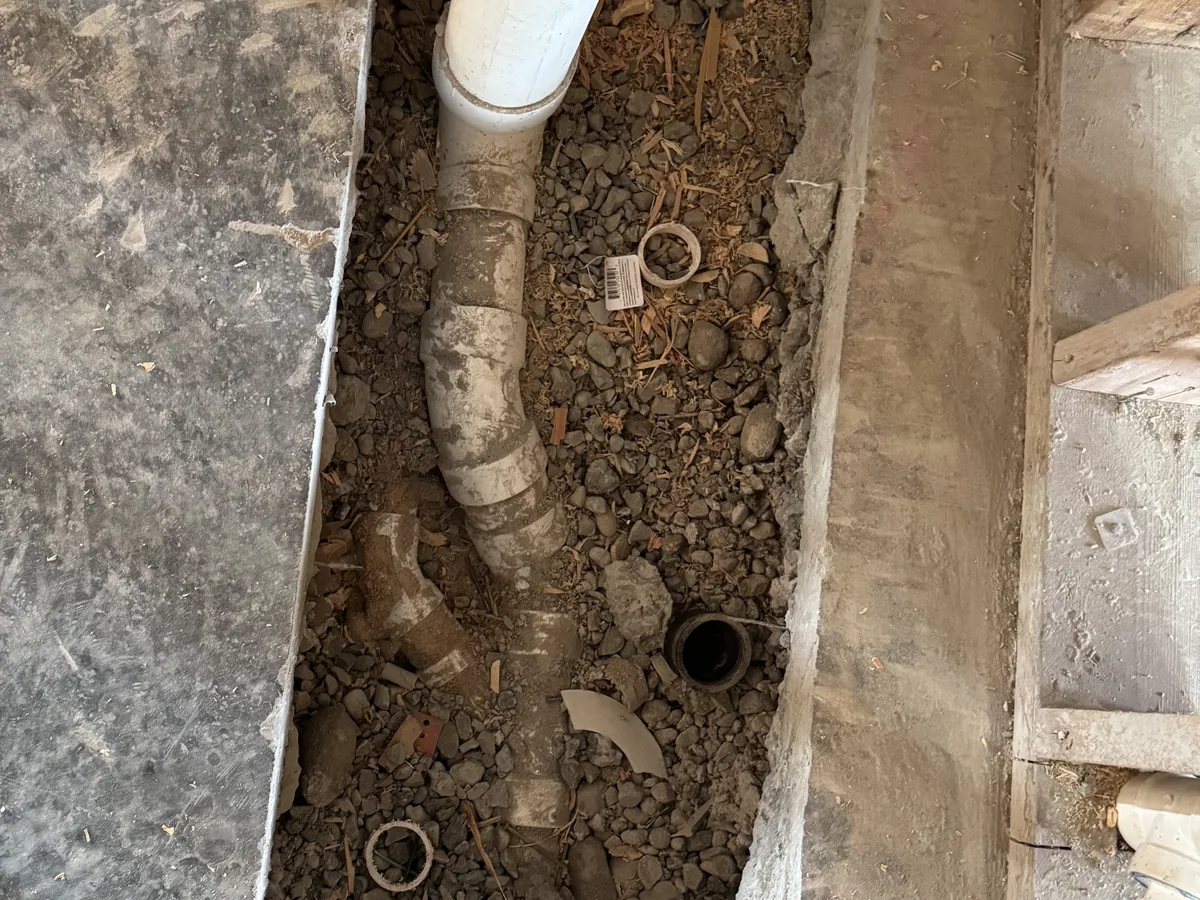
A new building needs its lines in the ground before the slab goes down. Water service comes in from the main, and electrical conduit carries the wiring. We dig the trenches for those runs and for any other pipe the plans show.
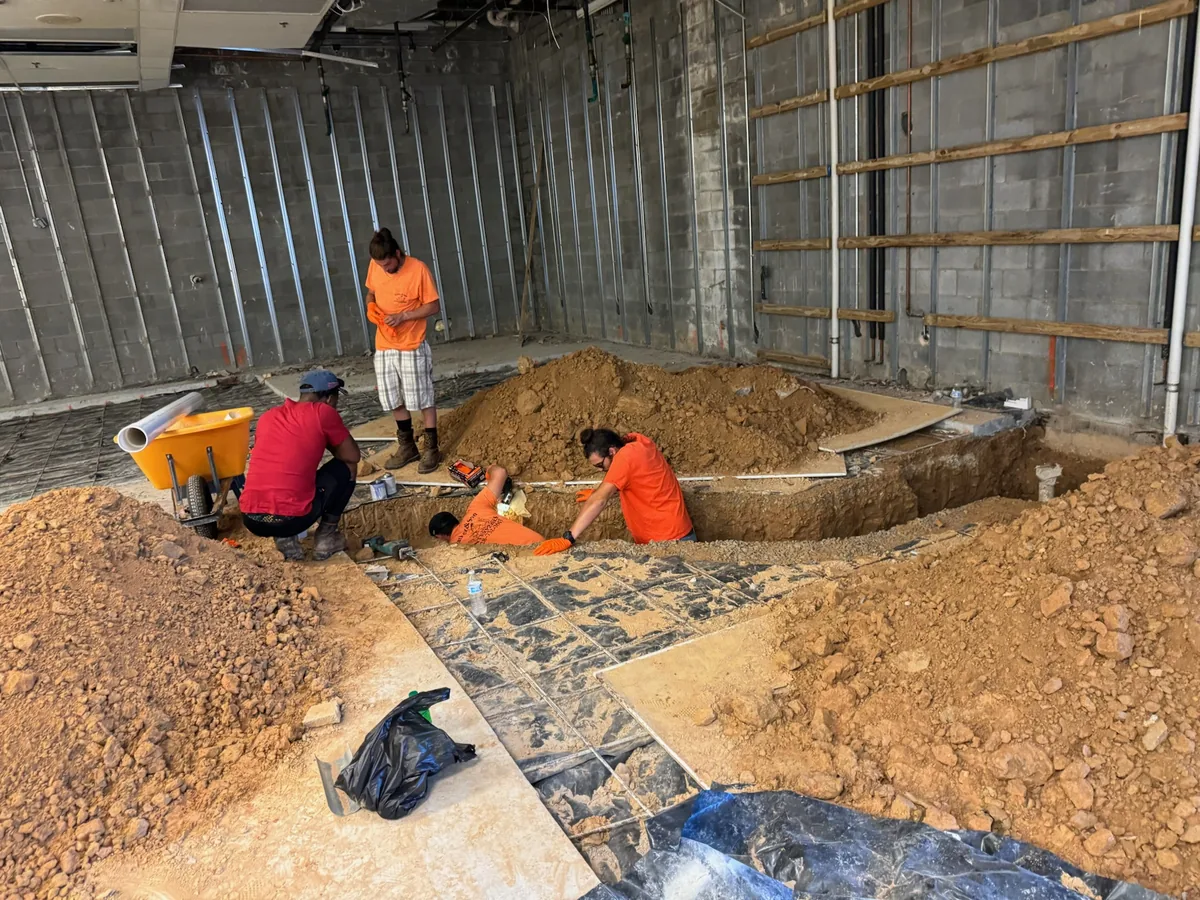
Big sites mean long trench runs. Our data center site work puts conduit trenches in alongside the pads and the access roads. On a commercial pad, the trenches link the building to the utility lines at the street.
The plans set the route and the depth of each trench. The utility or the engineer may also spell out the bedding around the pipe and the backfill over it. We dig to those numbers.
Texas law counts machine trenching and backfilling 16 inches deep or more as excavation. Whoever digs must notify Texas 811 at least 48 hours ahead, weekends and holidays aside. The notice can go in no more than 14 days before the dig.
Operators of buried power and gas lines then mark them within 48 hours, weekends and holidays aside. The marks follow a standard color code. Water and sewer lines are different. Texas law has the 811 center warn diggers that those operators may not get the notice.
Pipelines that carry gas or hazardous liquids also fall under rules from the Railroad Commission of Texas. When a project is too large to describe on one locate ticket, those rules call for a face-to-face meeting. There, the excavator and the pipeline operator agree on the tickets and the work schedule.
Loose backfill settles after the job is done. The dip shows up later as a low spot along the trench line. So we compact the backfill with a compactor before the surface is graded.
The plans or the geotechnical report set how dense the backfill has to be. Some sites call for select fill in place of the soil that came out. Where the plans call for density tests, a testing lab runs them.
In the federal soil survey, much of the ground in Tarrant County rates high for shrink and swell. That clay swells when wet and shrinks as it dries, even after it goes back in a trench. So the moisture in the backfill matters when it gets compacted. Once the trench lines are closed, land grading brings the surface back to the plan.
Call or text for a written quote. We work about 300 miles around Fort Worth across DFW, West Texas and the Hill Country.
(214) 557-5106From the first call or text to the finished work, here is how it goes.
Call or text (214) 557-5106, or send the form. Tell us what the project is, where the land or the building sits and when you need it done.
We go over the tract or the space, the plans and the access for heavy equipment. On dirt work we also look at the ground and where the water runs.
The scope and the price go in writing before any work starts. The quote spells out what gets cleared, cut, built or finished.
Machines and crews come in on the set date. On a dirt job the work runs in order: clearing, the pad or the road, the trenches, then the drainage. On a build, the trades follow the schedule.
The ground is left graded and compacted to the plan, ready for concrete, a building or a rig. On a finish out or a custom home, the work runs through to the finished space.
Common questions about utility trenching around Fort Worth and the rest of our Texas service area. If yours is not here, call or text and ask.
We cut ditches and swales and set culverts that carry storm water off pads and roads. We also build stock tanks, ponds, dams and detention basins with heavy equipment.
Learn More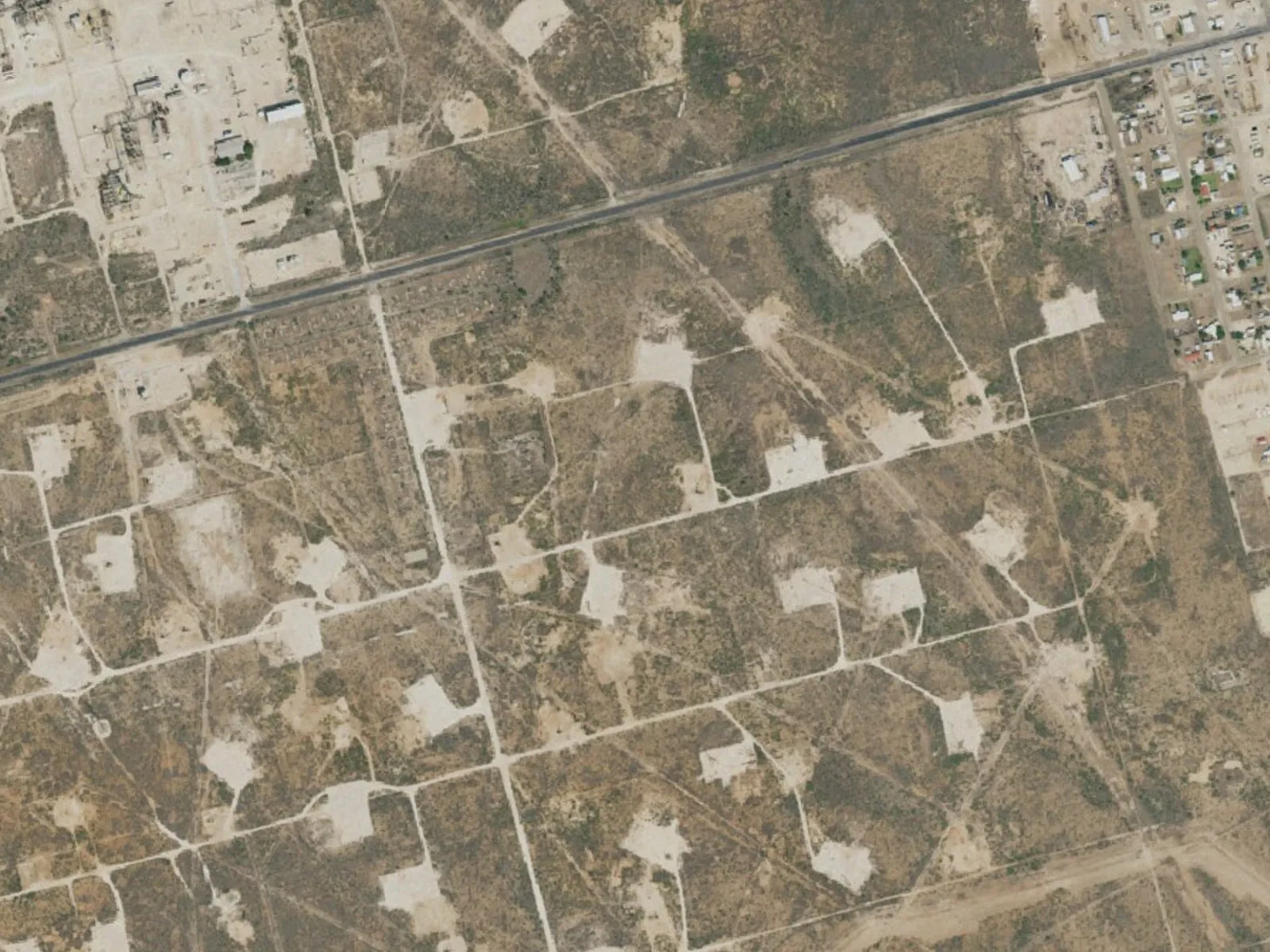
We build caliche pad sites and lease roads for oil and gas operators in West Texas and the Permian Basin. Grading and drainage around the location are part of the job, done by crews with real expertise on heavy equipment.
Learn More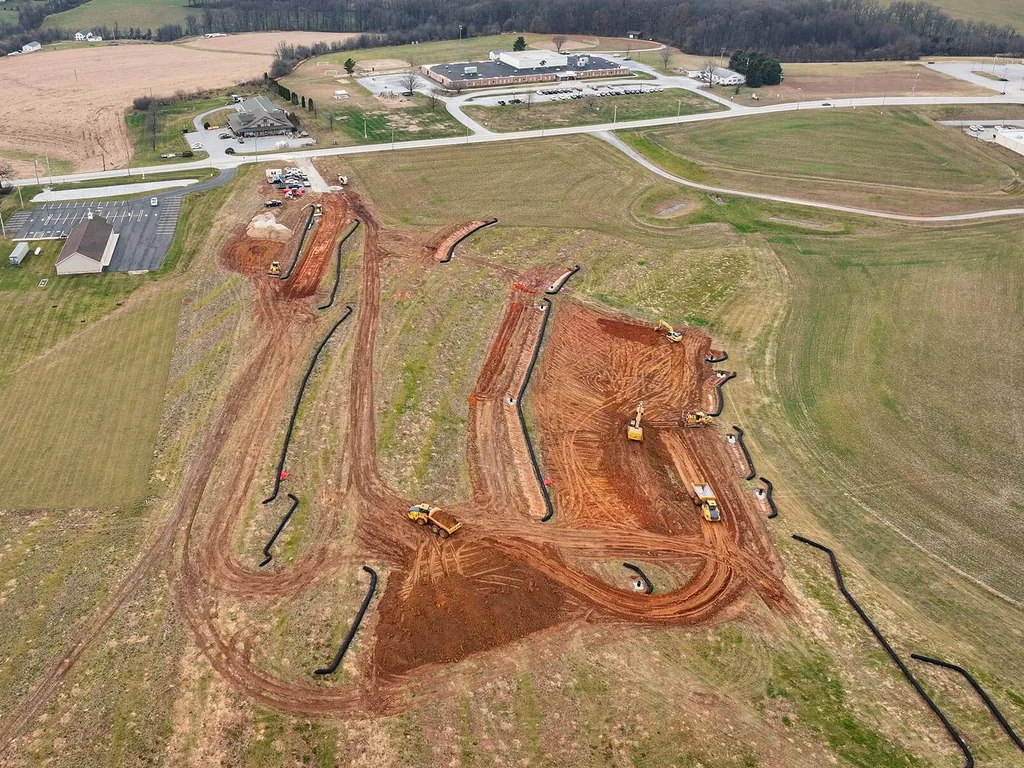
Site work for data center campuses: clearing, mass grading, building pads, access roads, conduit trenches and drainage. We build the ground the data halls stand on, to the plans and the geotechnical report.
Learn MoreExcavators, dozers, compactors and skid steers do the work, run by crews with real expertise on each machine. The jobs are sized to match: multi-acre clearing, commercial pads, long roads and oilfield locations.
The pad, the concrete and the building can all run through the same company. A custom home starts on a pad we cut and compacted. A commercial project can go from raw land to a finished tenant space.
Developers, oil and gas operators, data center builders and ranch owners all bring us ground to move. Each site gets its own scope, whether that is a detention pond, a lease road or a campus pad.
Tell us about the land or the building and where it sits. We look at the job, then put the scope and the price in writing before any work starts.
Tell us about the land, the pad, the road or the building and where it sits. Call or text (214) 557-5106, or send the form and we will get back to you with the next step.
Tell us about the land or the building project and where it is. We look at the job and put the quote in writing.