Concrete Work
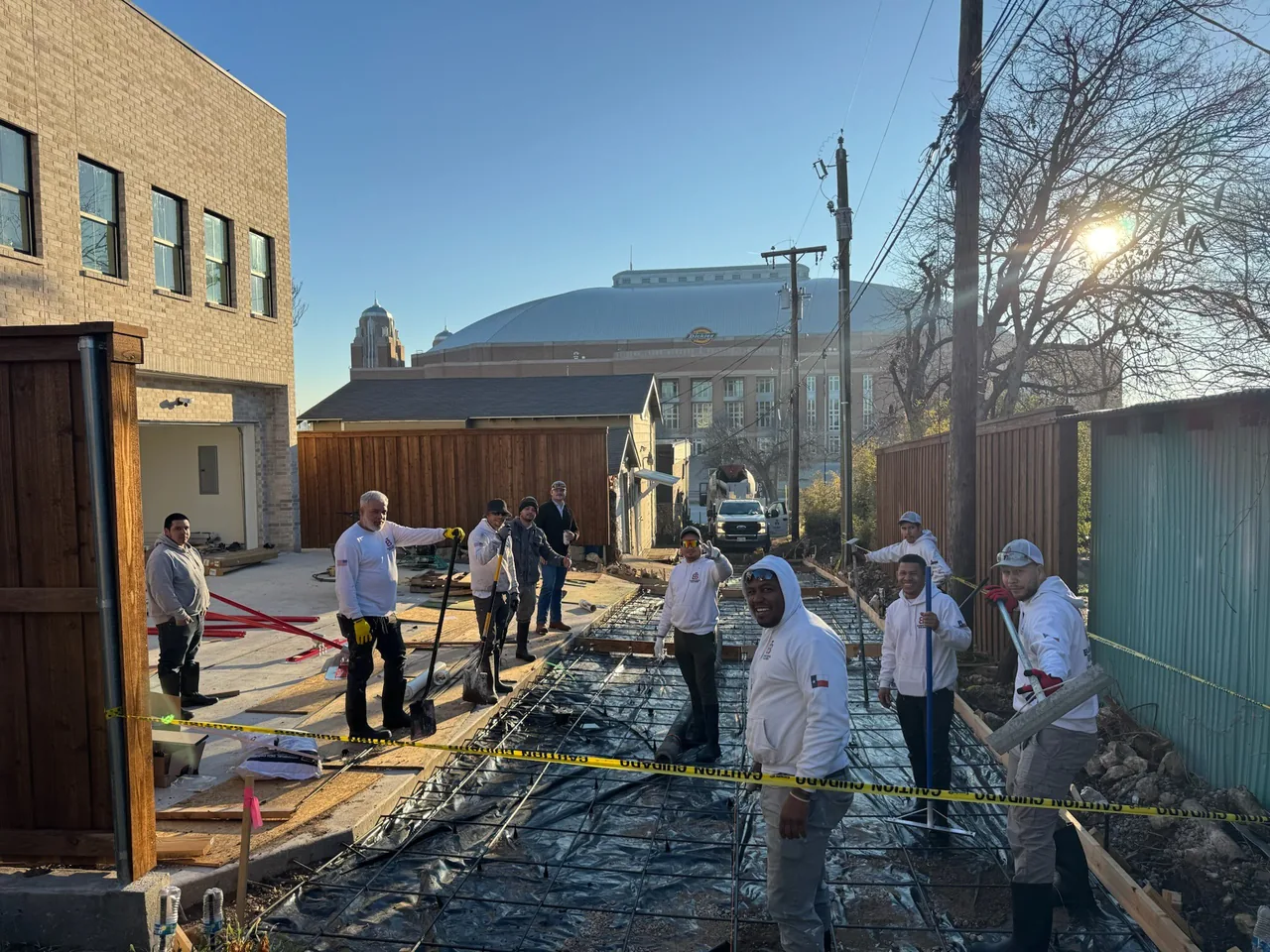
We pour concrete slabs and pads on the sites we prepare ourselves. Inside commercial finish outs, we polish the concrete floor.
Learn More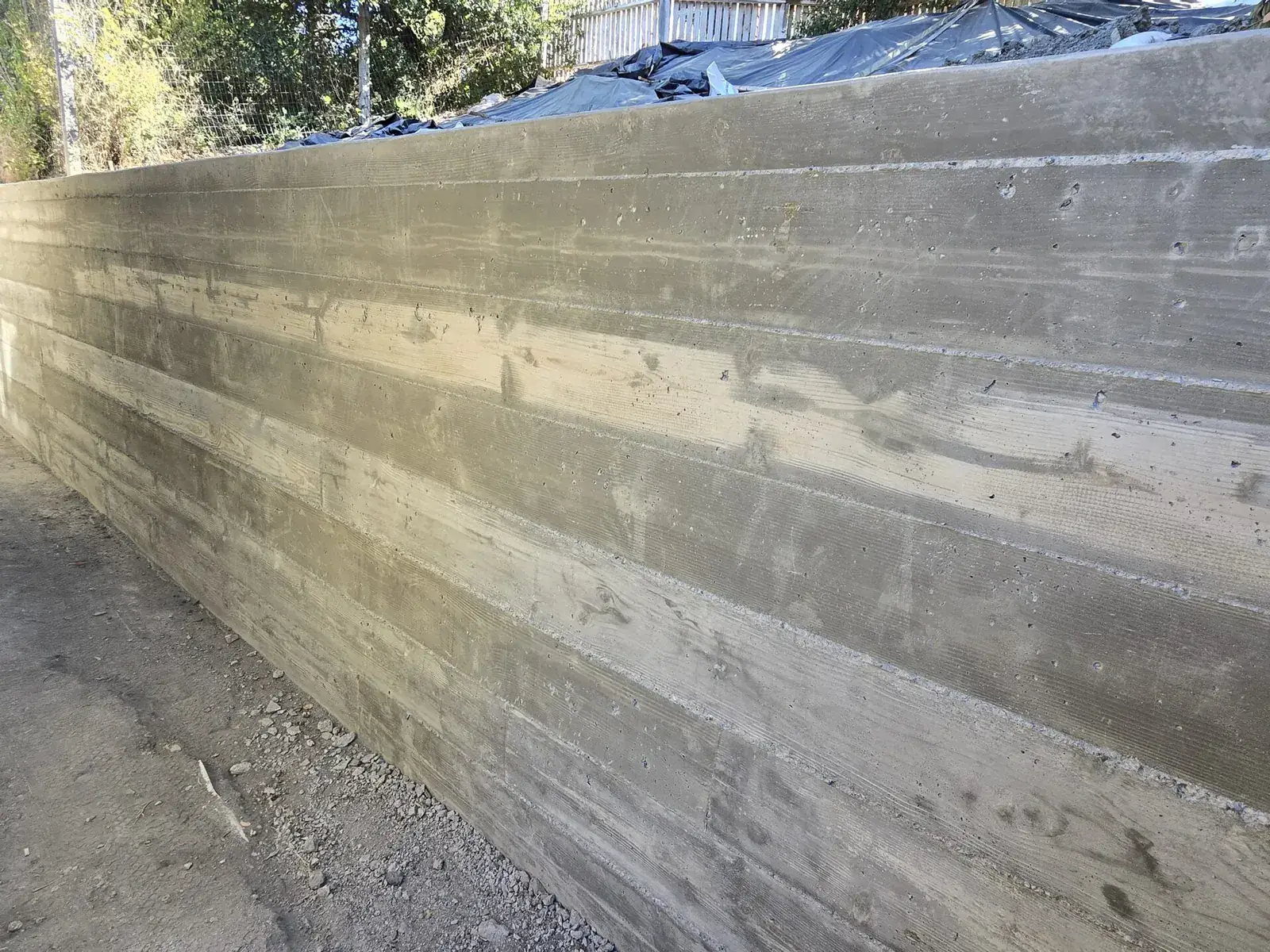
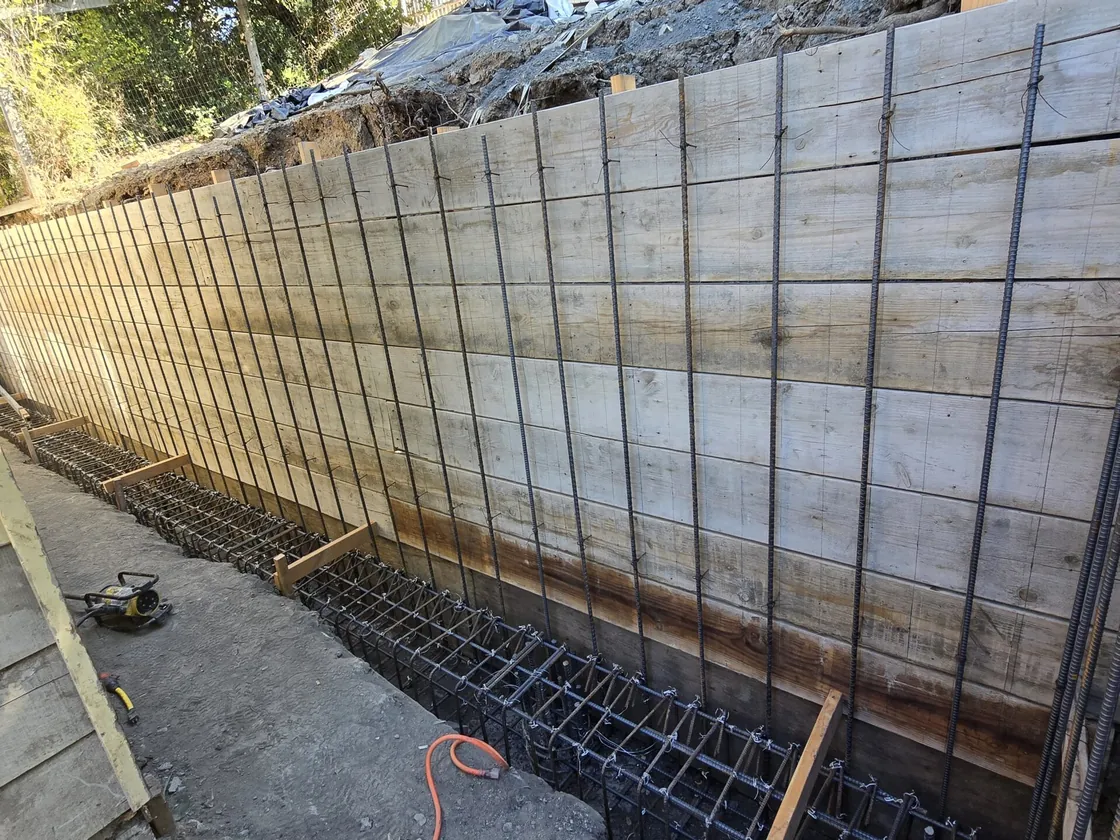
Retaining walls hold back the ground where a site changes height. Bankston's Builders pours concrete retaining walls on commercial sites, pads cut into a slope and ranch land. Each wall goes in with the dirt work around it, from the cut to the compacted backfill. The walls are part of our concrete work, along with stem walls, foundations and drainage structures.
We work as the retaining wall contractor for commercial developers, property owners, data center builders and ranch owners. Excavators, skid steers and a compactor handle the dirt, run by crews with real expertise on each machine. The walls go in alongside our dirt work in Fort Worth and across the rest of our service area. Call or text (214) 557-5106, and we look at the job and put the quote in writing.
Tell us about the land or the building project and where it is. We look at the job and put the quote in writing.
Retaining wall installation starts below the ground. Before digging, Texas law requires a notice to Texas 811 at least 48 hours ahead, not counting weekends and holidays. Then excavators cut the slope back and dig the footing to the depth the design calls for.
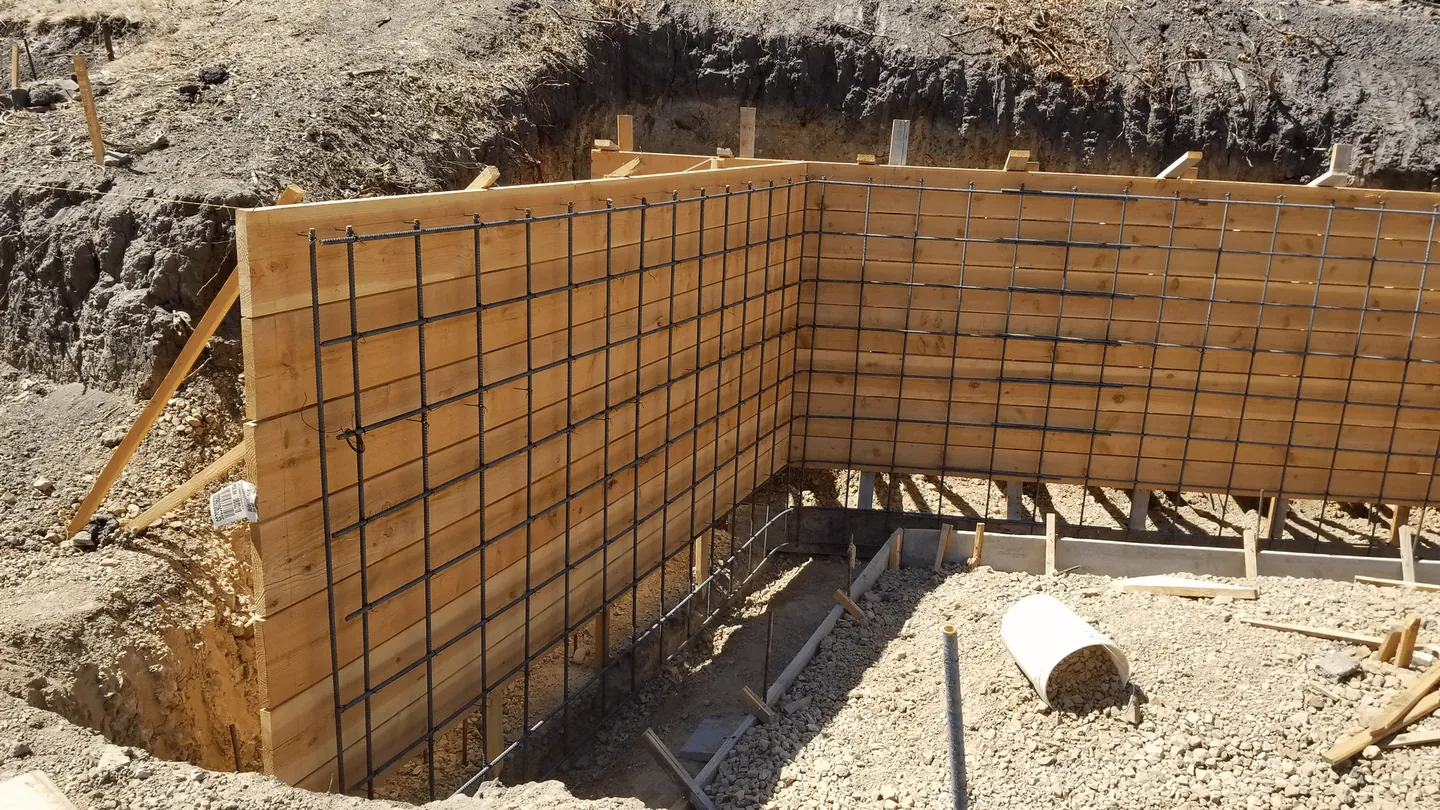
The footing is the wide concrete base the wall stands on. Forms go up on it, the steel goes in, and the wall is poured to its finished height.
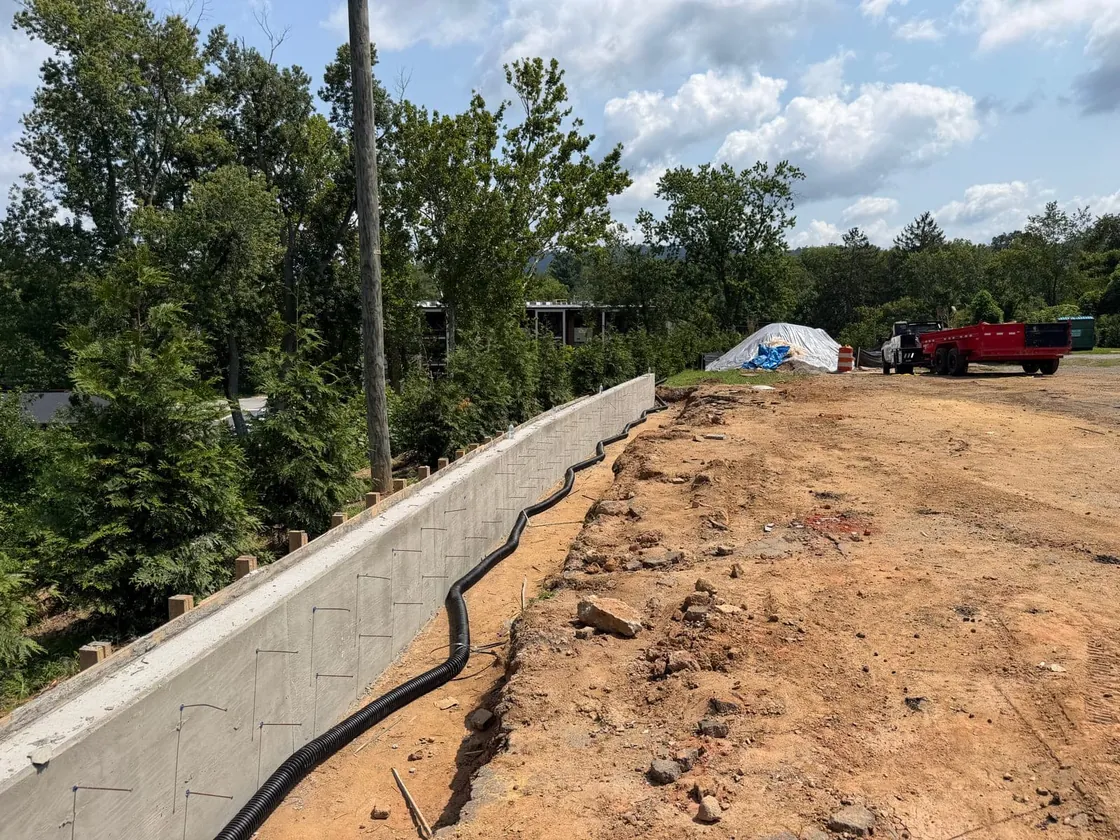
Behind the wall, drainage stone and a drain pipe give water a way out. Backfill goes in thin lifts, and a compactor works each lift before the next one goes down. The finished grade on top is then ready for a parking lot or a building pad.
On commercial sites, a retaining wall holds the edge where a parking lot or a pad steps up or down. A wall takes up less ground than a long slope, so more of the site stays usable. Where building pads are cut into a hillside, the wall holds the cut on the high side.
Ranch land has the same need where a barn pad or a road is cut into a slope. Lake lots that drop toward the water use retaining walls too. A stem wall is a concrete wall on a footing that carries the edge of a raised slab. Stem walls let a building sit level on a sloping lot.
Some drainage structures hold ground the same way. At a culvert or a road crossing, a headwall holds the road fill back from the pipe ends. Wing walls angle out from it and hold the slopes on each side. They go in with our site drainage work.
In Fort Worth, a retaining wall taller than 4 feet needs a building permit. The city measures from the bottom of the footing to the top of the wall, so the buried footing counts. A shorter wall needs one too when it supports a surcharge, like a parking lot above it.
Fort Worth's local code amendments add two more rules. A wall that needs a permit must have plans prepared by an engineer licensed by the State of Texas. Walls stepped up a slope can also count as one wall. That happens when a 45-degree line from the bottom of the lower footing meets soil the upper wall holds.
On commercial sites, the city's development guide calls for a separate building permit for each structure, retaining walls included. Other cities set their own rules, and the city permit office answers that question. On a permitted wall, we build to the engineer's plans.
Call or text for a written quote. We work about 300 miles around Fort Worth across DFW, West Texas and the Hill Country.
(214) 557-5106From the first call or text to the finished work, here is how it goes.
Call or text (214) 557-5106, or send the form. Tell us what the project is, where the land or the building sits and when you need it done.
We go over the tract or the space, the plans and the access for heavy equipment. On dirt work we also look at the ground and where the water runs.
The scope and the price go in writing before any work starts. The quote spells out what gets cleared, cut, built or finished.
Machines and crews come in on the set date. On a dirt job the work runs in order: clearing, the pad or the road, the trenches, then the drainage. On a build, the trades follow the schedule.
The ground is left graded and compacted to the plan, ready for concrete, a building or a rig. On a finish out or a custom home, the work runs through to the finished space.
Common questions about retaining walls around Fort Worth and the rest of our Texas service area. If yours is not here, call or text and ask.
We pour concrete slabs and pads on the sites we prepare ourselves. Inside commercial finish outs, we polish the concrete floor.
Learn More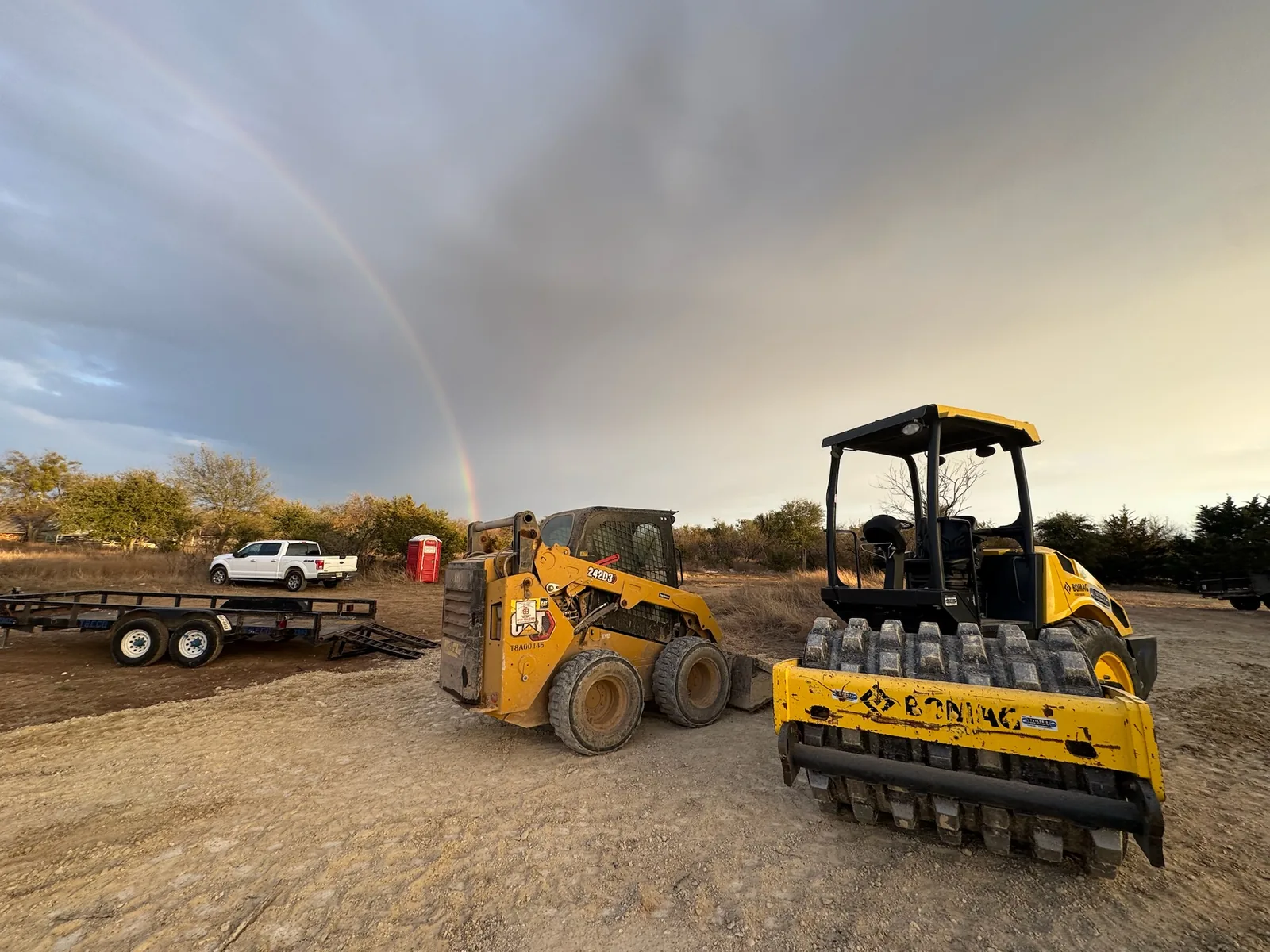
Building pads for commercial buildings, data centers, oilfield locations and custom homes. We cut and fill to the plan grades and compact each pad in lifts.
Learn More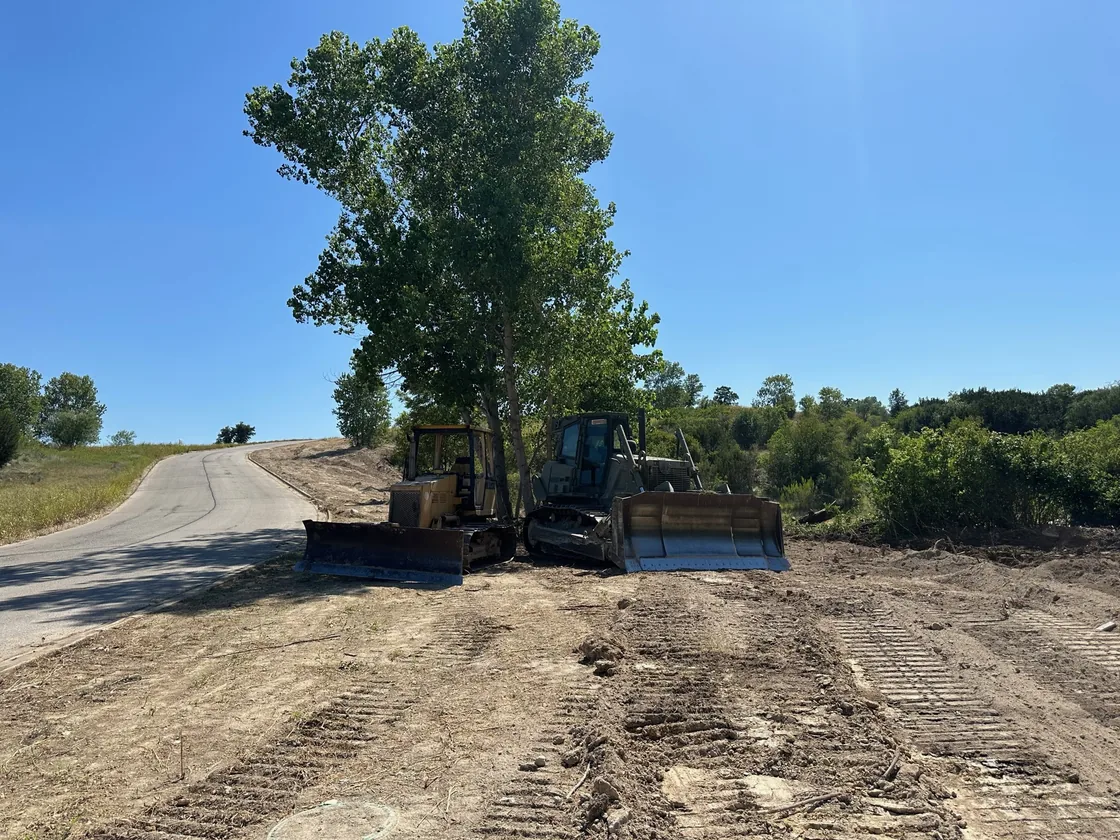
Land grading levels lots and tracts and shapes the ground so water runs off. We do rough grading and finish grading with heavy equipment for developers, ranch owners and oil and gas operators.
Learn More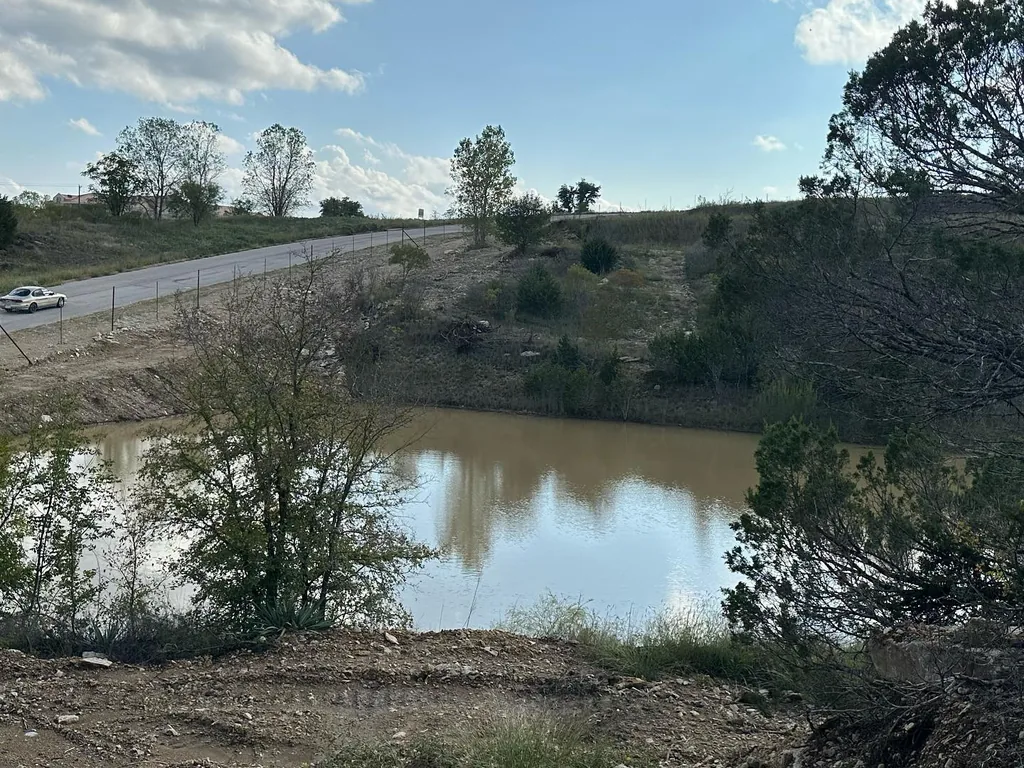
We cut ditches and swales and set culverts that carry storm water off pads and roads. We also build stock tanks, ponds, dams and detention basins with heavy equipment.
Learn MoreExcavators, dozers, compactors and skid steers do the work, run by crews with real expertise on each machine. The jobs are sized to match: multi-acre clearing, commercial pads, long roads and oilfield locations.
The pad, the concrete and the building can all run through the same company. A custom home starts on a pad we cut and compacted. A commercial project can go from raw land to a finished tenant space.
Developers, oil and gas operators, data center builders and ranch owners all bring us ground to move. Each site gets its own scope, whether that is a detention pond, a lease road or a campus pad.
Tell us about the land or the building and where it sits. We look at the job, then put the scope and the price in writing before any work starts.
Tell us about the land, the pad, the road or the building and where it sits. Call or text (214) 557-5106, or send the form and we will get back to you with the next step.
Tell us about the land or the building project and where it is. We look at the job and put the quote in writing.