
Tenant Finish Out
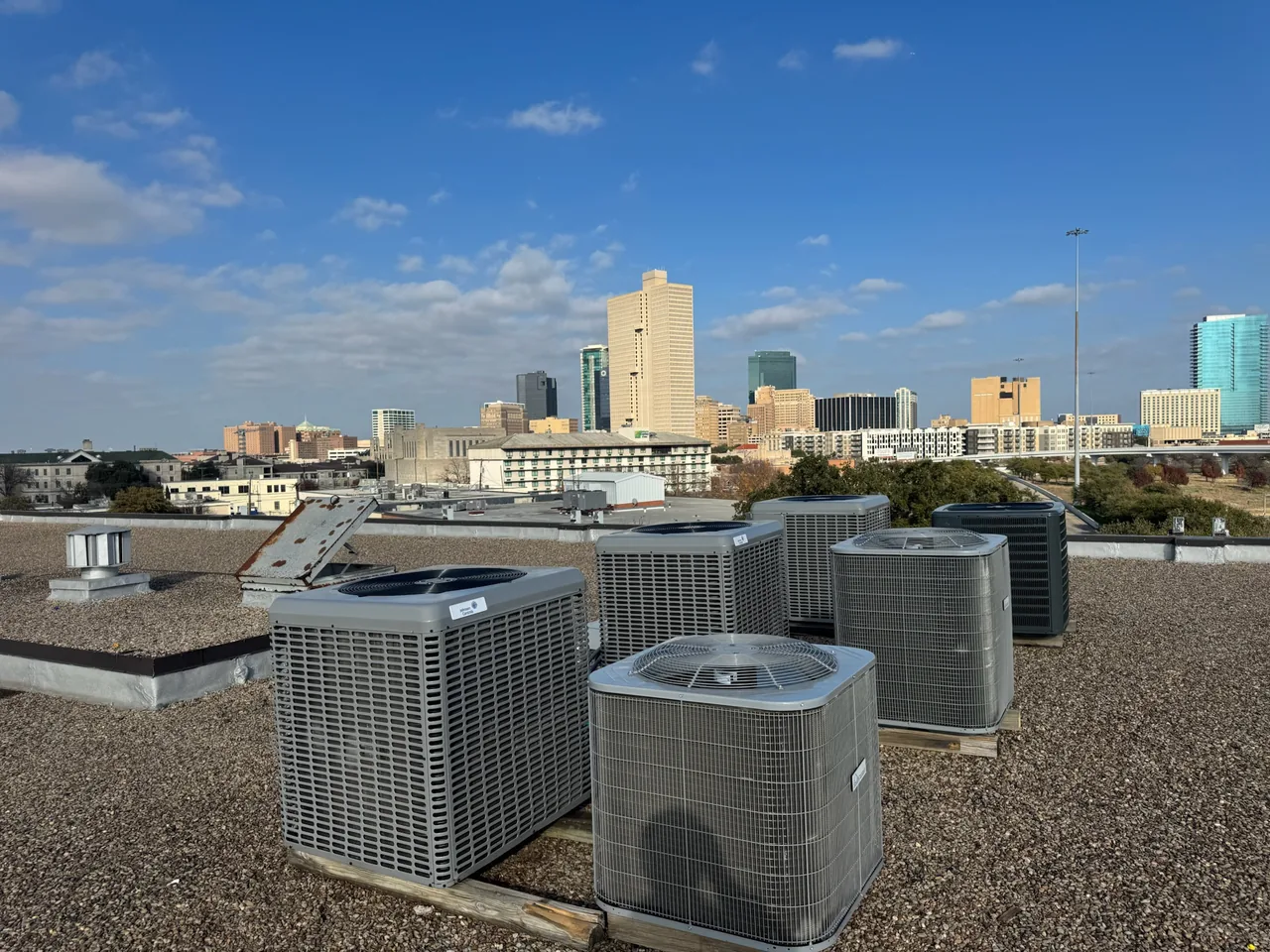
We finish out retail and commercial spaces as one job: roofing, HVAC, polished concrete, drywall, insulation, doors, cabinets and countertops. One company manages every trade from the bare shell to the finished space.
Learn More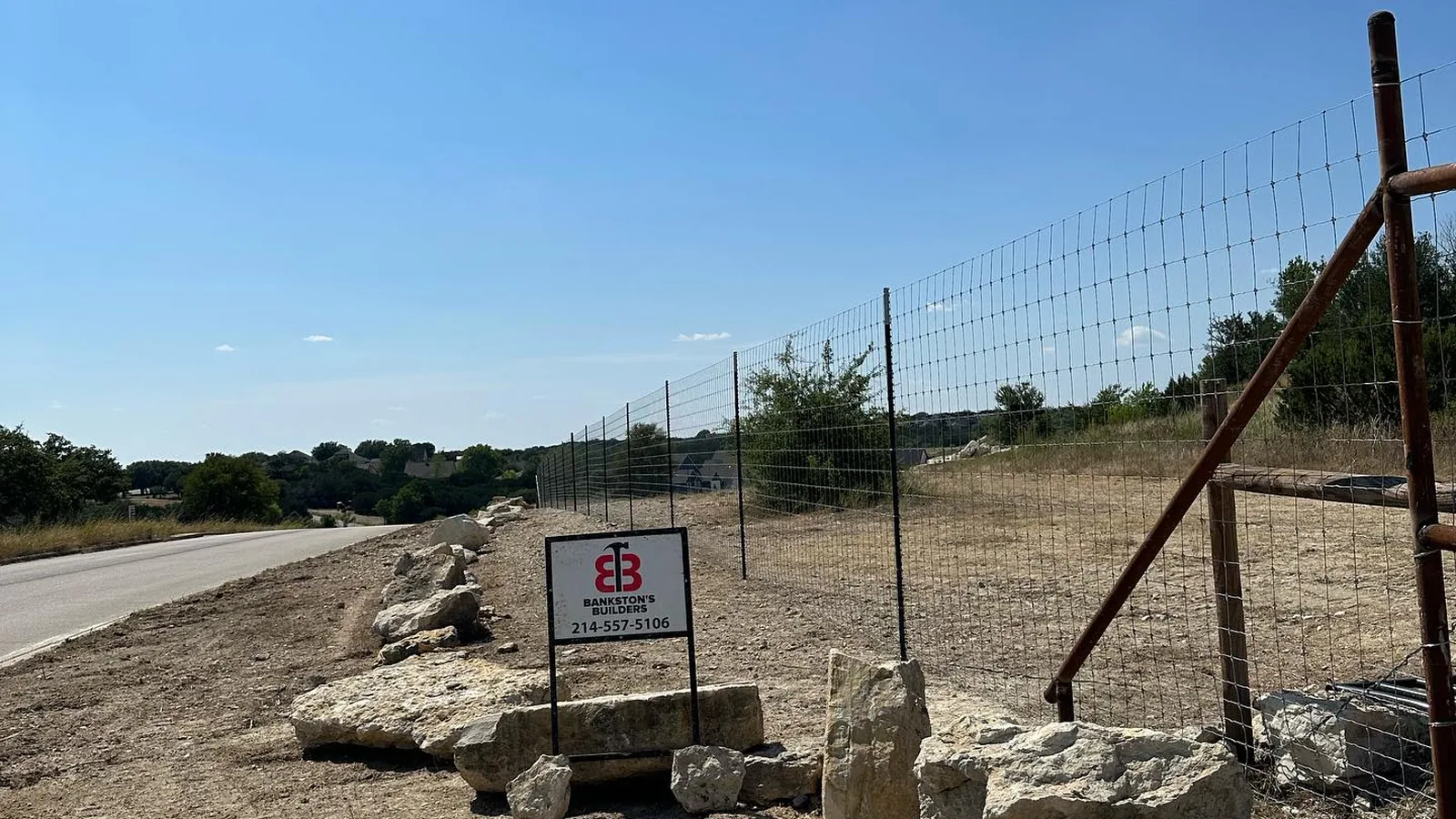
Around Granbury, the ground changes within a few miles. North of town, the NRCS soil survey maps Aledo and Bolar soils. Those are loams over limestone that can sit less than two feet down. East toward Acton and Pecan Plantation, it maps loamy fine sands. West of town along US 377, Brackett soils sit on limestone slopes of 8 to 30 percent. A pad, a ranch road or a stock tank has to be built for the ground under it.
Bankston's Builders does heavy-equipment dirt work across North Texas, and Granbury is part of our service area. We clear brush and trees, build pads, cut ranch roads and shape drainage. The customers are developers, ranch owners and builders in Hood County. A job here often runs from land clearing on a raw tract to a finished building pad. Call or text (214) 557-5106 and tell us about the land. We look at the job and put the quote in writing.
Tell us about the land or the building project and where it is. We look at the job and put the quote in writing.
Hood County sits where the Grand Prairie's limestone meets the sand of the Western Cross Timbers. The limestone side carries thin soils like Aledo and Eckrant, with rock four to twenty inches down. A dozer hits that rock early. A pad there gets built with less cut from the site and more fill brought to it.
The sandy side is different. Windthorst soils put a fine sandy loam over a clay subsoil, and runoff on them rates medium to high. Water moves fast across that sand and cuts gullies where a road or a pad sheds it. The survey even names a series for the town: Granbury very fine sandy loam, mapped across downtown Granbury.
Along the Brazos and the Paluxy, the bottoms carry Frio and Bosque soils that the survey marks as occasionally flooded. Those are the places where a stock tank, a crossing or a culvert has to be sized with care. Our site drainage work shapes the ditches, swales and tanks that move water off a pad and a road.
Granbury sits about 35 miles southwest of Fort Worth on US 377, on the shore of Lake Granbury. The Brazos River Authority finished DeCordova Bend Dam in 1969, and the lake covers about 8,300 surface acres. The BRA puts the lake at capacity at 693 feet above mean sea level. The same water supplies Hood and Johnson counties and cools Comanche Peak.
Development followed the water. DeCordova grew out of the first subdivision on the lake and incorporated as a city in 2000. Pecan Plantation spreads out southeast of town. Acton lies about five miles east on FM 167, and Thorp Spring about five miles northwest on FM 4. Census figures put Granbury near 12,900 people in 2024, up from about 10,950 in 2020. Hood County grew from about 61,600 to about 69,100 in the same years.
Commercial growth runs along the US 377 corridor and Loop 567. The loop swings 6.45 miles around the north side of town. It runs from US 377 on the west to Business 377 on the east. SH 144 heads south to Glen Rose, FM 51 north to Weatherford and FM 4 northwest through Lipan. Granbury Regional Airport, two miles from downtown, has a 5,200-foot runway. Each new building or storage yard along those roads starts as dirt work. Ranch tracts west toward Tolar and Lipan start with ranch roads.
Inside the city limits, the City of Granbury Community Development department covers planning, development and building services. Permits and inspections run through the city's OpenGov portal. The city adopted the 2024 I-Codes for projects filed on or after July 21, 2026. Clearing is watched here too. Protected hardwoods such as oaks, elms and pecans need an approved Tree Conservation Plan before removal. The rule covers trunks six inches or more across, measured 48 inches up.
Outside the city, the Hood County Development Department administers the county's development, subdivision and floodplain regulations. Its rules cover new development in the unincorporated county, including land inside a city's extraterritorial jurisdiction. One stated purpose is to protect the watershed that drains into Lake Granbury and the Brazos River. Any tract with land in a Special Flood Hazard Area may need a floodplain development permit first. The Hood County Floodplain Administrator issues it, before construction or excavation starts. A culvert in a county right of way needs a Road Operations Department permit. The pipe type and size get approved first.
On the water, the Brazos River Authority permits shoreline work at Lake Granbury. Its Improvement Permit covers a retaining wall along the shoreline or dredging under a dock. Construction may not begin until that permit is approved. Statewide, a site that disturbs one acre or more needs coverage under TCEQ's construction stormwater general permit. A stormwater pollution prevention plan has to be in place before work starts. Any mechanized digging 16 inches or deeper calls for a Texas 811 locate request. The notice goes in at least two working days ahead. We point you to the right office for each one and build to the approved plan.
Dirt work around Granbury takes a few common shapes. A developer needs a commercial pad along US 377 or Loop 567, graded and compacted to the engineer's plan. A ranch owner west of town wants cedar and mesquite cleared and a road to the back pasture. The stock tank at the end of it has to hold water. A builder needs a lake lot cut to grade with a driveway that drains.
Each of those starts with heavy equipment and a plan for the dirt. We cut and fill to grade, compact in lifts and leave a surface ready for concrete or base. Where limestone is shallow, we plan the pad around the rock. Where the sand runs deep, we shape the grade so storm water follows a ditch off the site.
Fort Worth sits at the center of our service area, about 35 miles up US 377. The same crews and machines that do dirt work in Fort Worth work Hood County, Somervell County and Parker County. For select clients, we also take a lake lot from the pad to a finished custom home. Call or text (214) 557-5106, tell us where the land is, and we will come look at it.
Communities and areas we serve around Granbury: Pecan Plantation, DeCordova, Acton, Thorp Spring, Oak Trail Shores, Tolar, Lipan, Cresson, Lake Granbury, Historic Downtown Granbury, City Beach Park, Granbury Regional Airport.
Granbury ZIP codes served: 76048, 76049.
Granbury is part of our service area. We look at the job and put the quote in writing.
(214) 557-5106 We finish out retail and commercial spaces as one job: roofing, HVAC, polished concrete, drywall, insulation, doors, cabinets and countertops. One company manages every trade from the bare shell to the finished space.
Learn More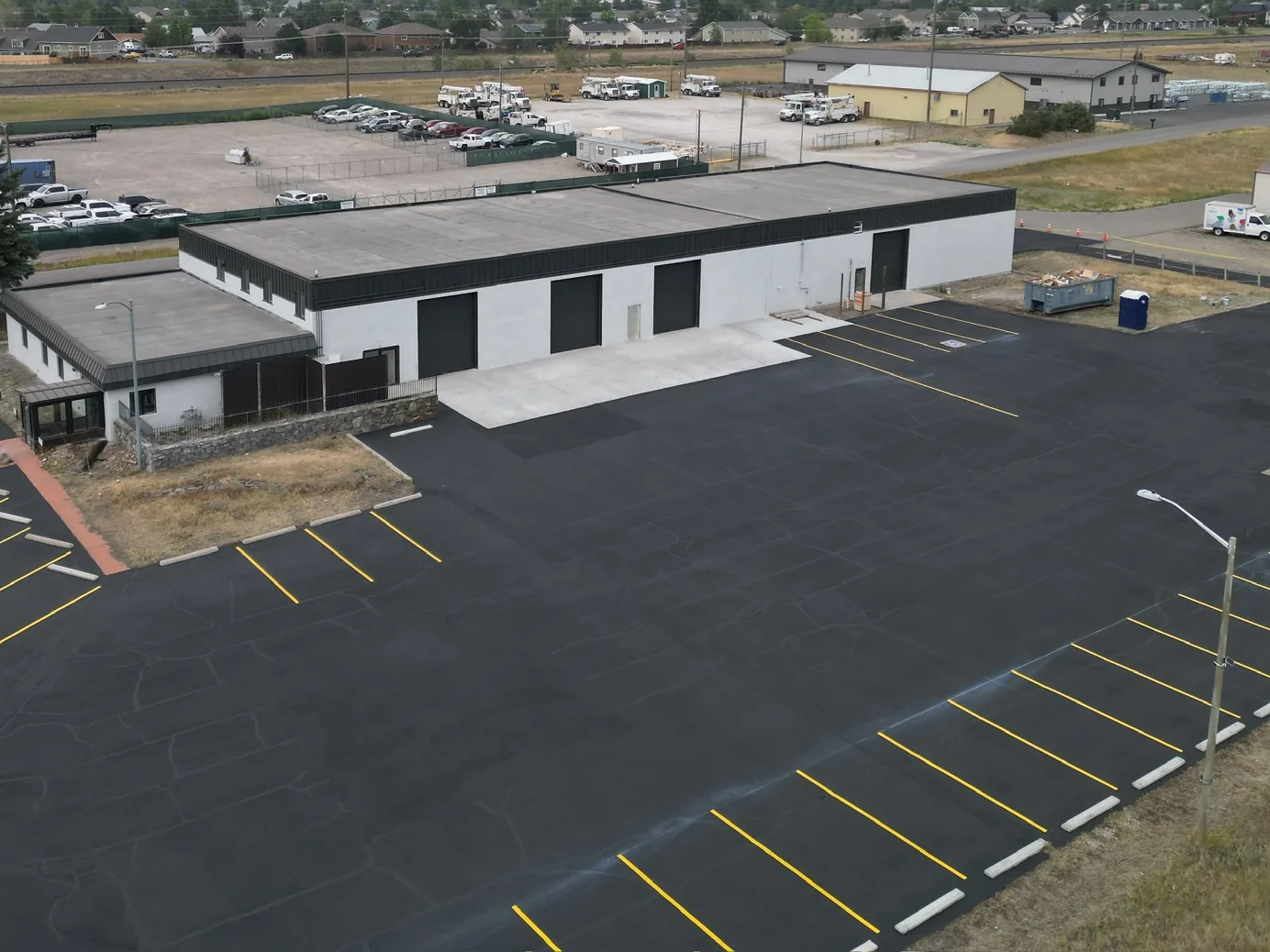
We build ground-up commercial buildings and additions for owners and developers. One company carries the job from the dirt work and the pad to the finished building.
Learn More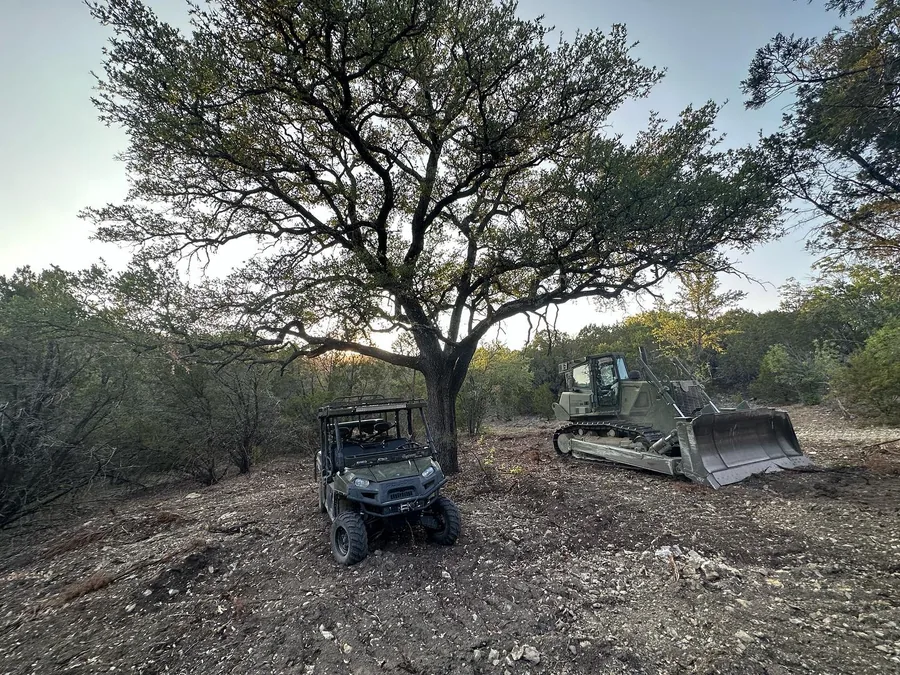
We clear trees and brush off ranch land and building sites with heavy equipment, roots and all. The ground is left ready for the pad or road that comes next.
Learn More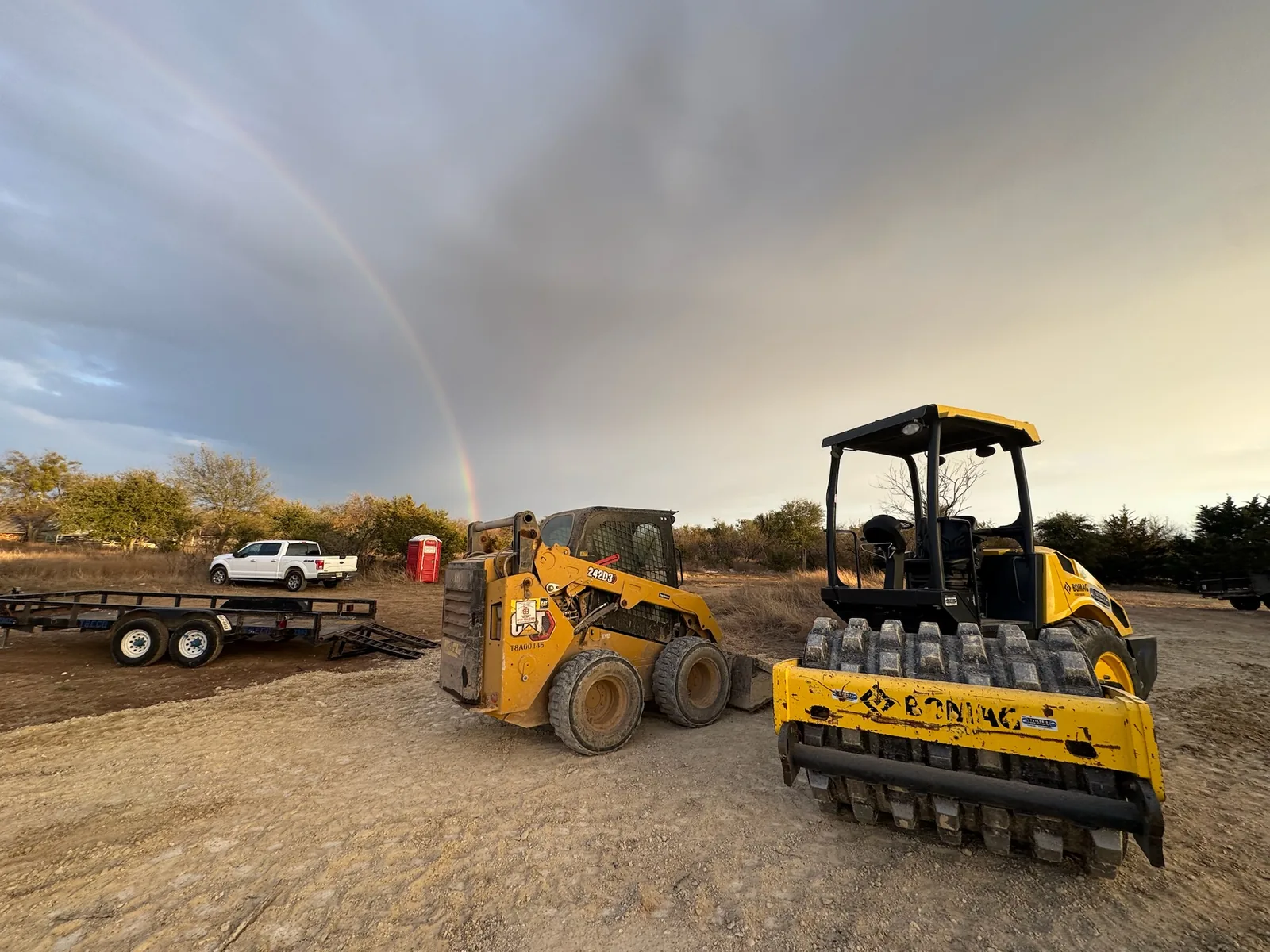
Building pads for commercial buildings, data centers, oilfield locations and custom homes. We cut and fill to the plan grades and compact each pad in lifts.
Learn More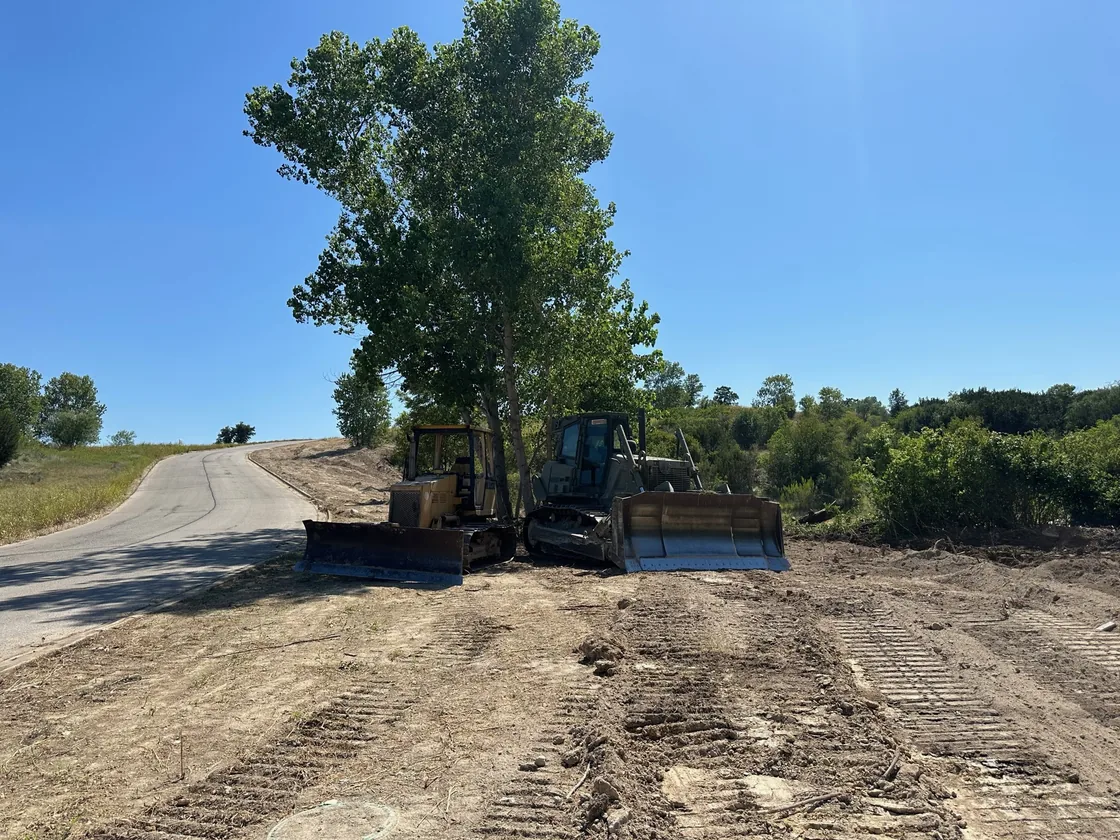
Land grading levels lots and tracts and shapes the ground so water runs off. We do rough grading and finish grading with heavy equipment for developers, ranch owners and oil and gas operators.
Learn More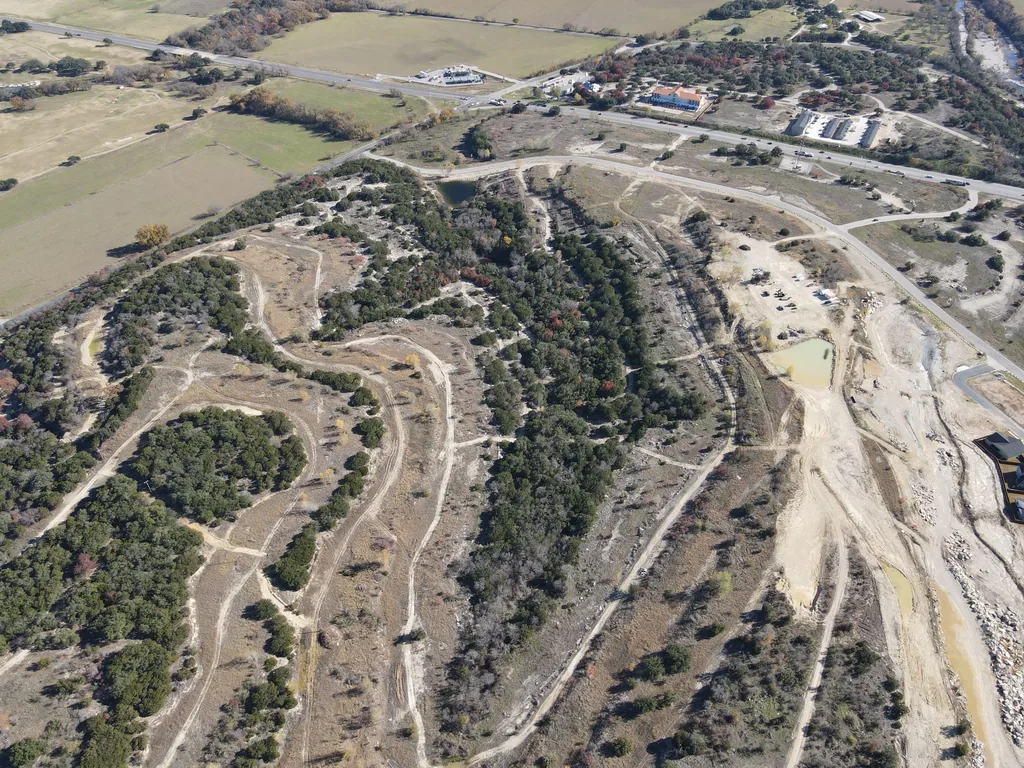
We build private, ranch, lease and haul roads on a compacted base with a gravel or caliche surface. Ditches and culverts move water off and under the road.
Learn More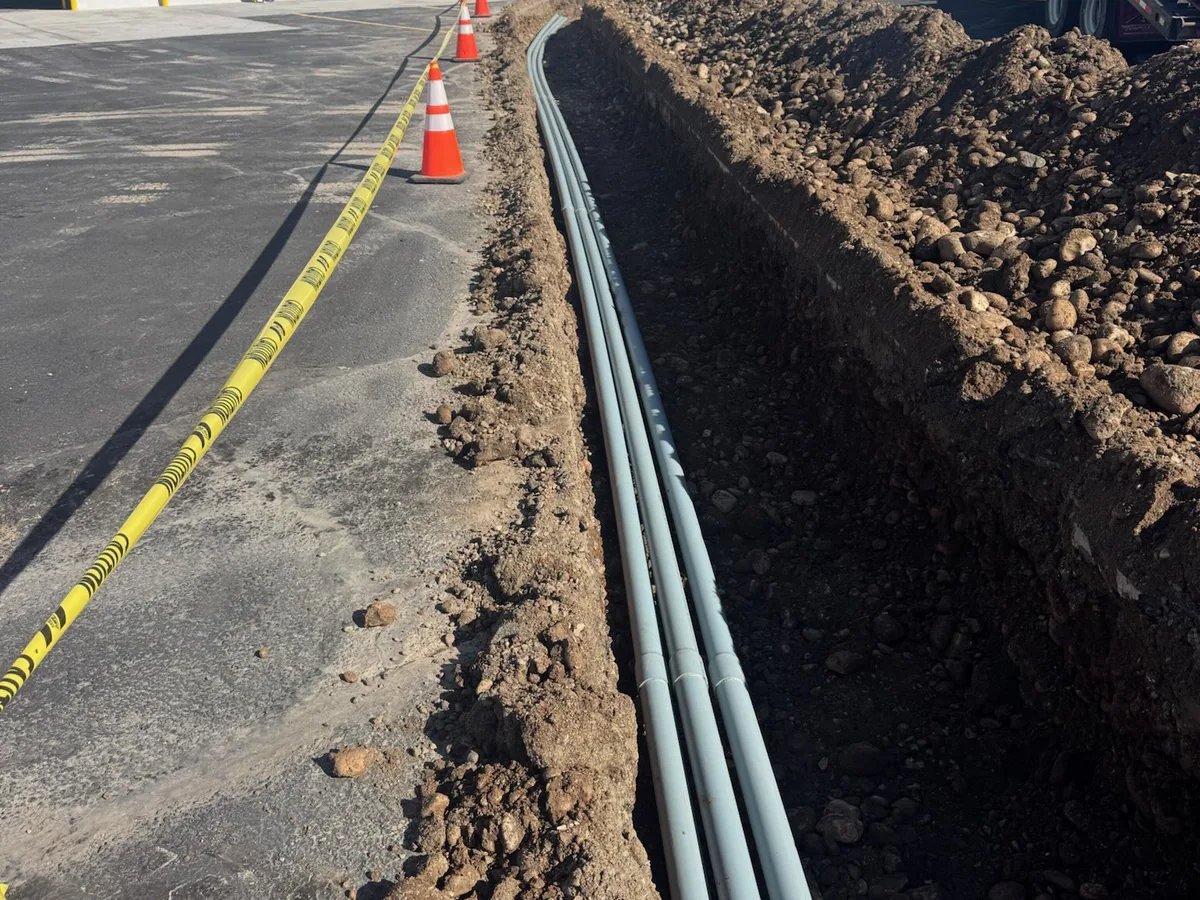
As part of the site work, we dig trenches for water lines and electrical conduit, then backfill and compact them. A licensed plumber or a licensed electrician makes the hookups.
Learn More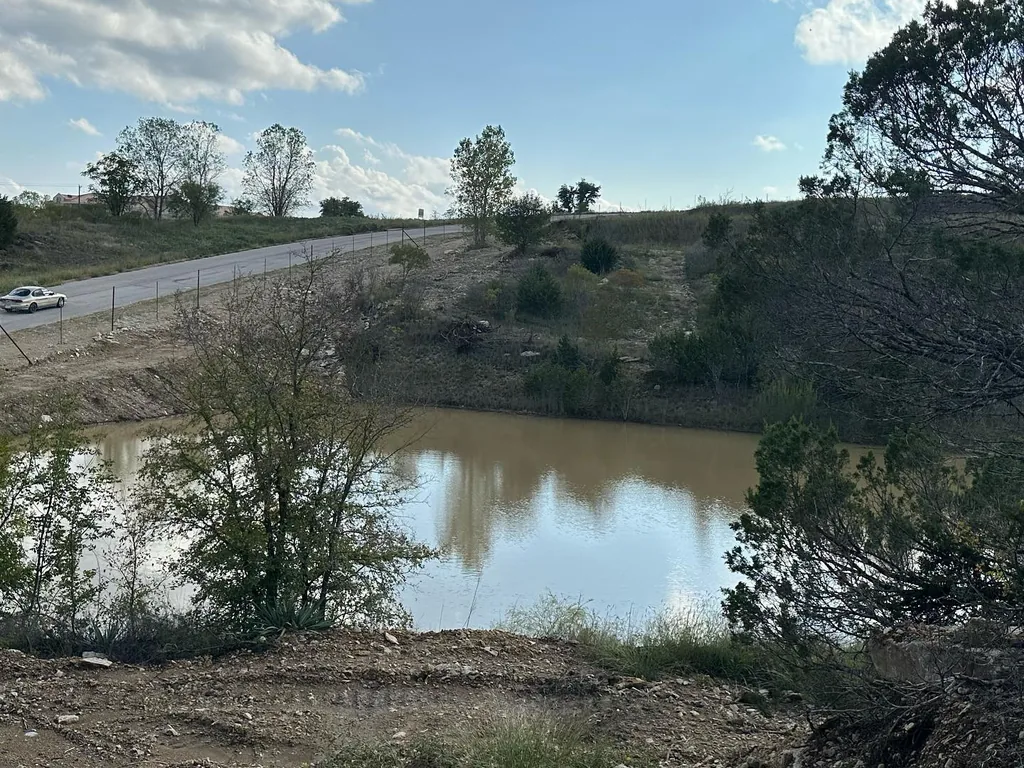
We cut ditches and swales and set culverts that carry storm water off pads and roads. We also build stock tanks, ponds, dams and detention basins with heavy equipment.
Learn More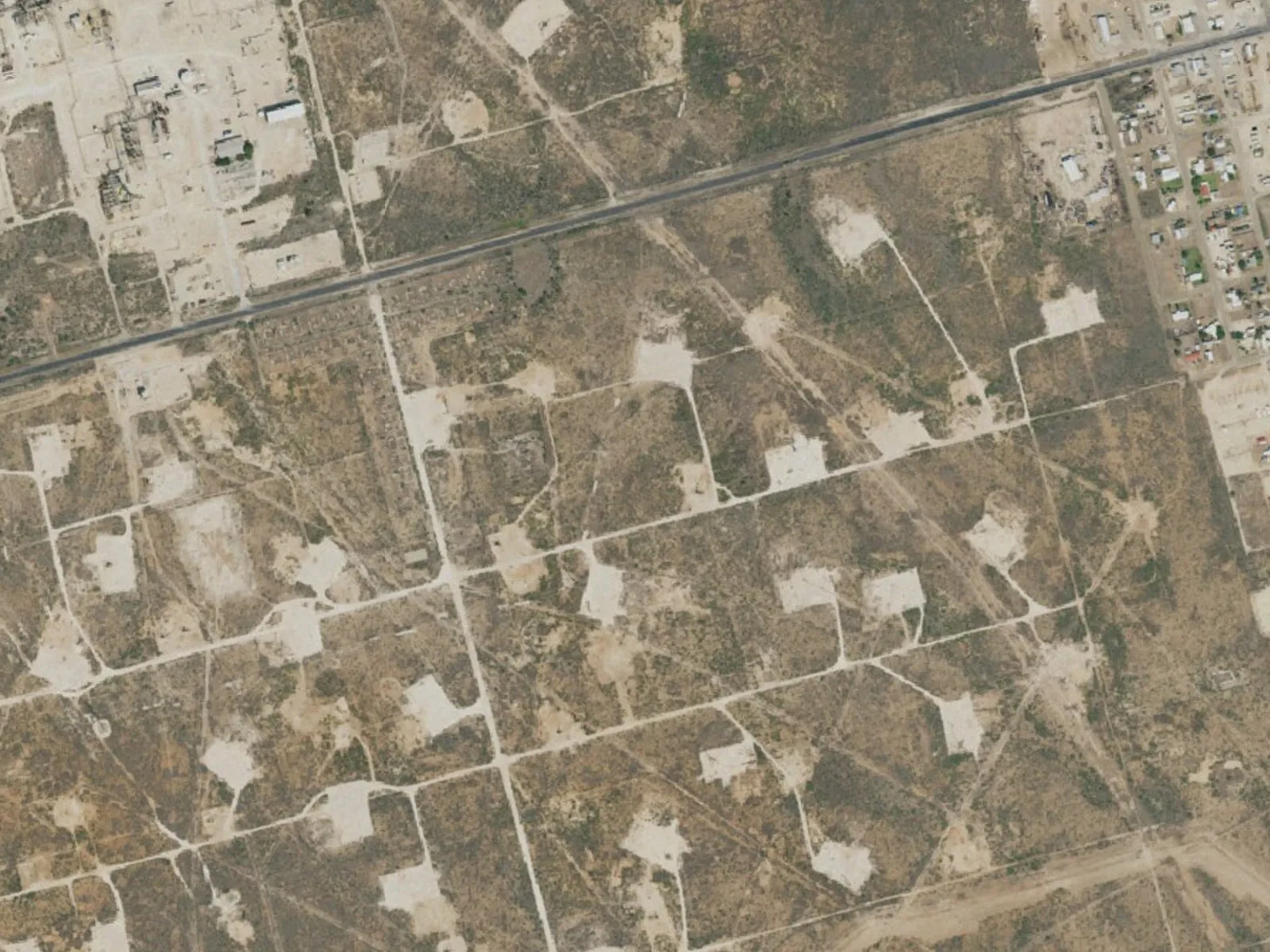
We build caliche pad sites and lease roads for oil and gas operators in West Texas and the Permian Basin. Grading and drainage around the location are part of the job, done by crews with real expertise on heavy equipment.
Learn More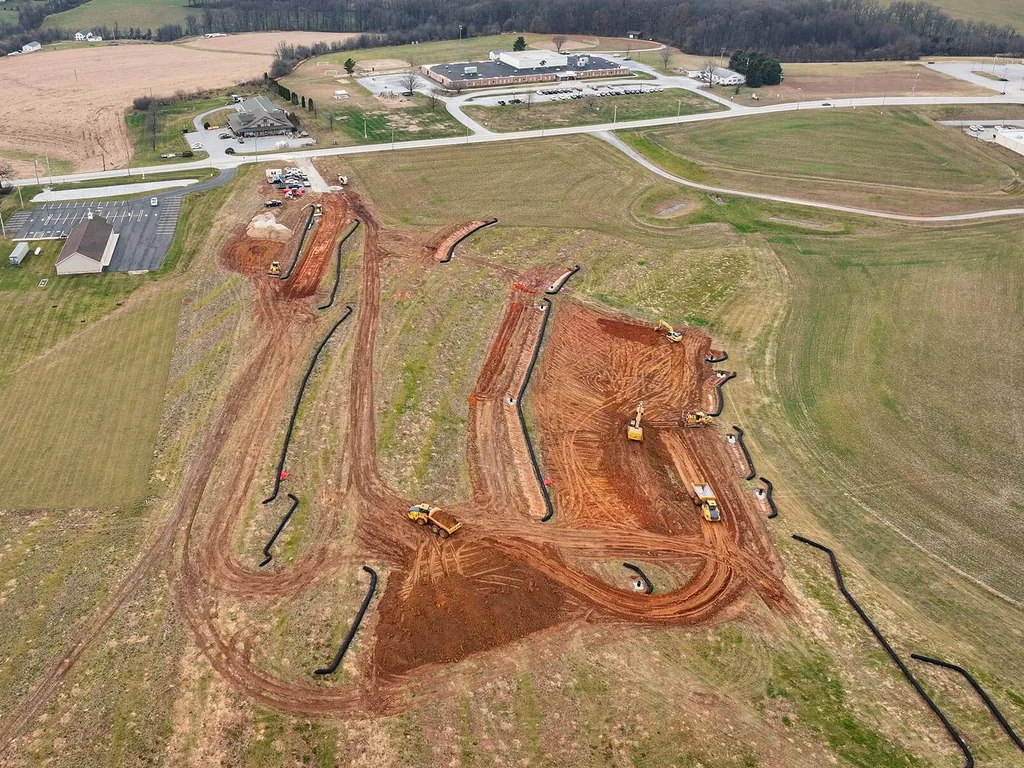
Site work for data center campuses: clearing, mass grading, building pads, access roads, conduit trenches and drainage. We build the ground the data halls stand on, to the plans and the geotechnical report.
Learn More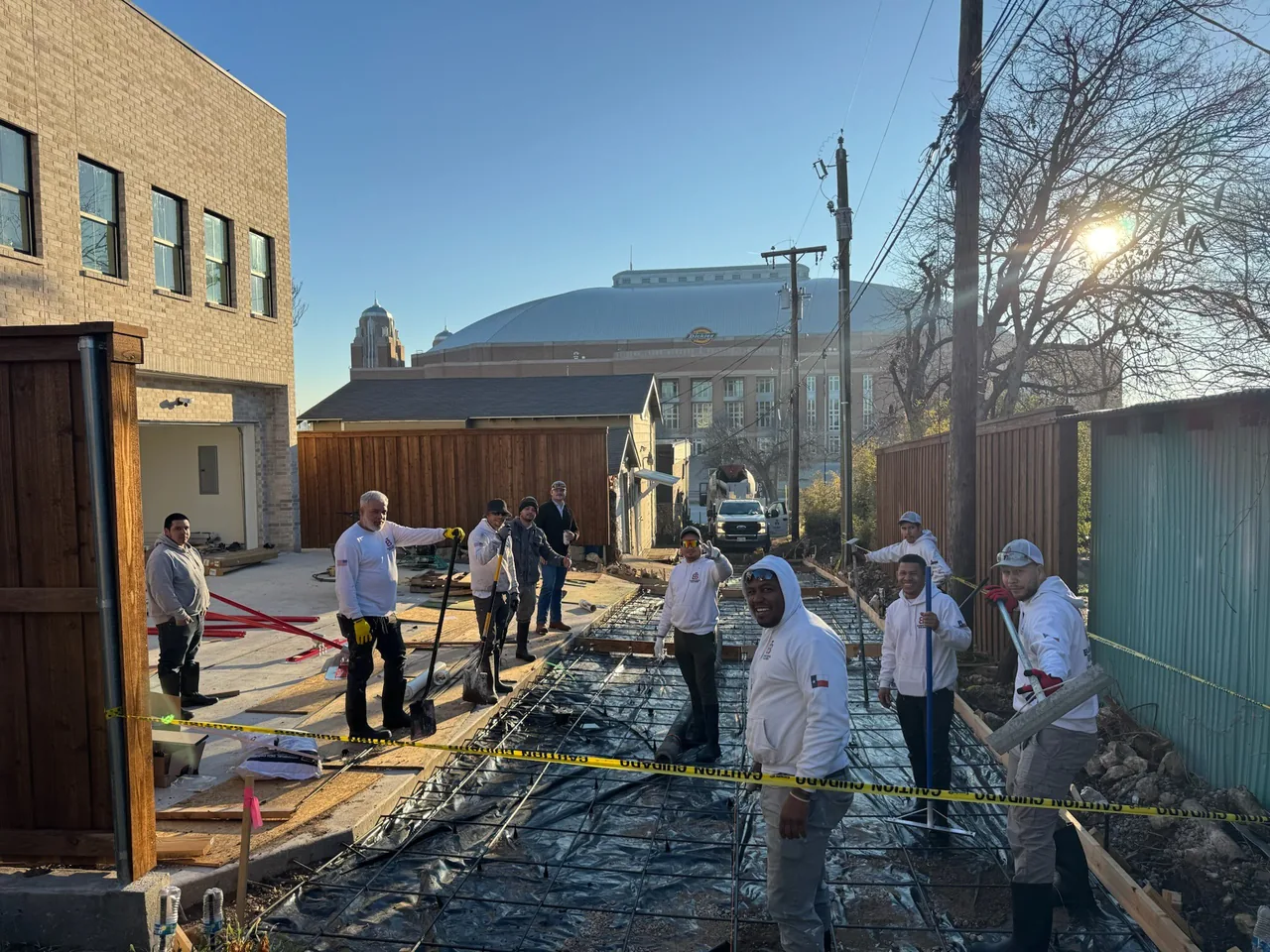
We pour concrete slabs and pads on the sites we prepare ourselves. Inside commercial finish outs, we polish the concrete floor.
Learn More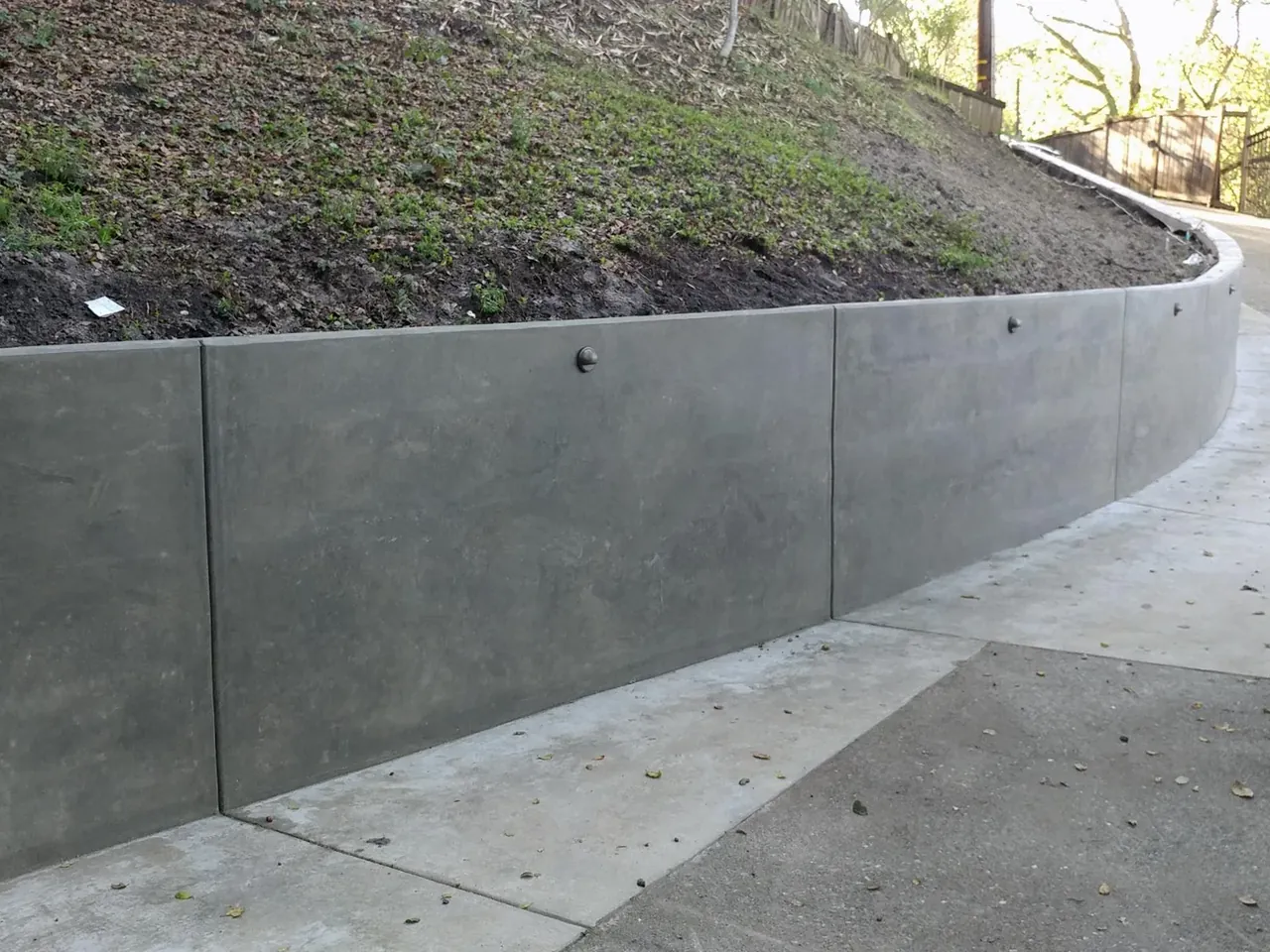
We build poured concrete retaining walls that hold a cut or a fill on commercial sites, pads and ranch land. The excavation, footing, drainage and compacted backfill come with the wall.
Learn More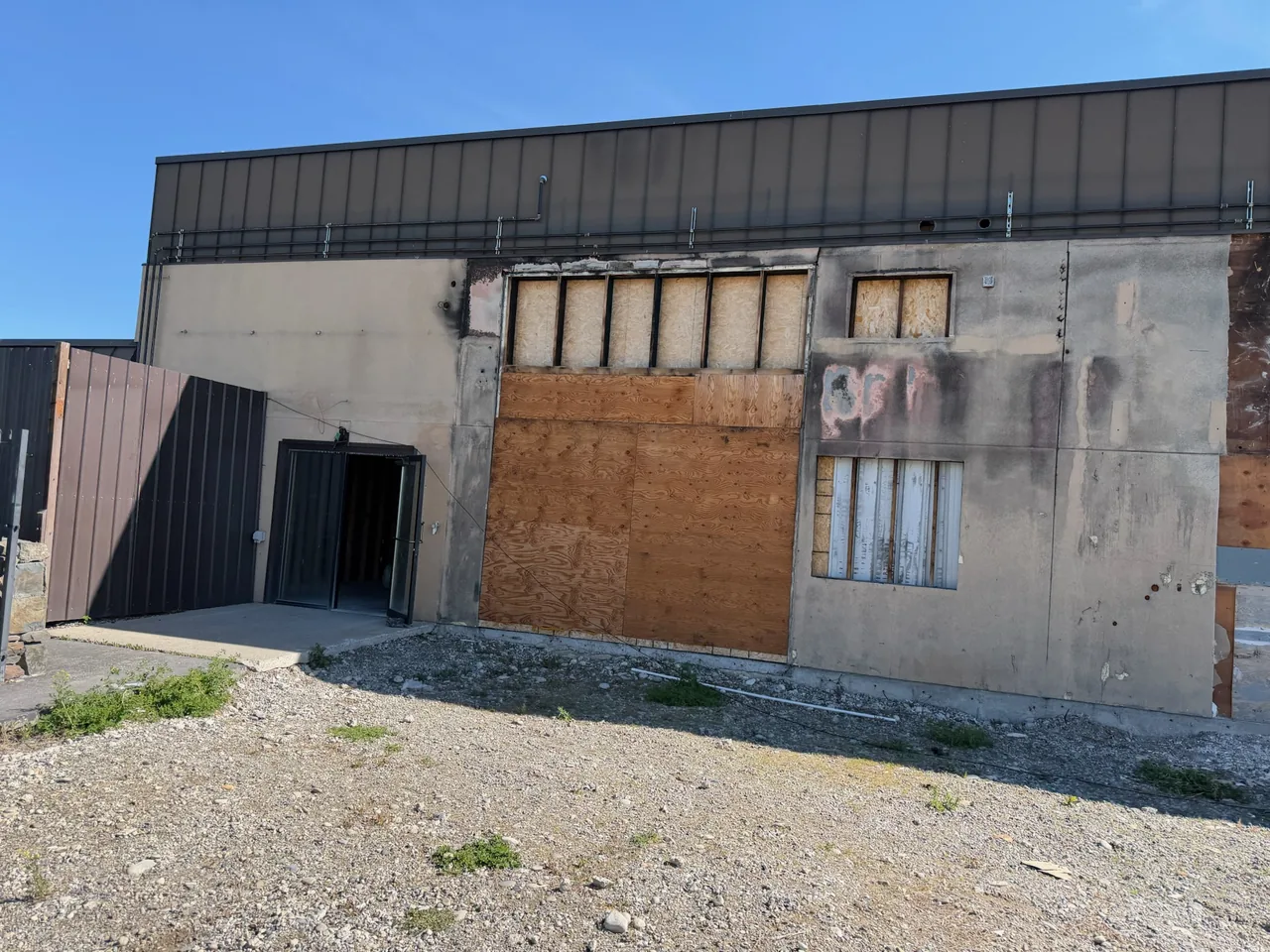
We rebuild commercial buildings and homes after a fire or a flood, once the building is dried out. The work runs to the insurance scope, from the tear-out through roofing, re-piping, drywall and finishes.
Learn More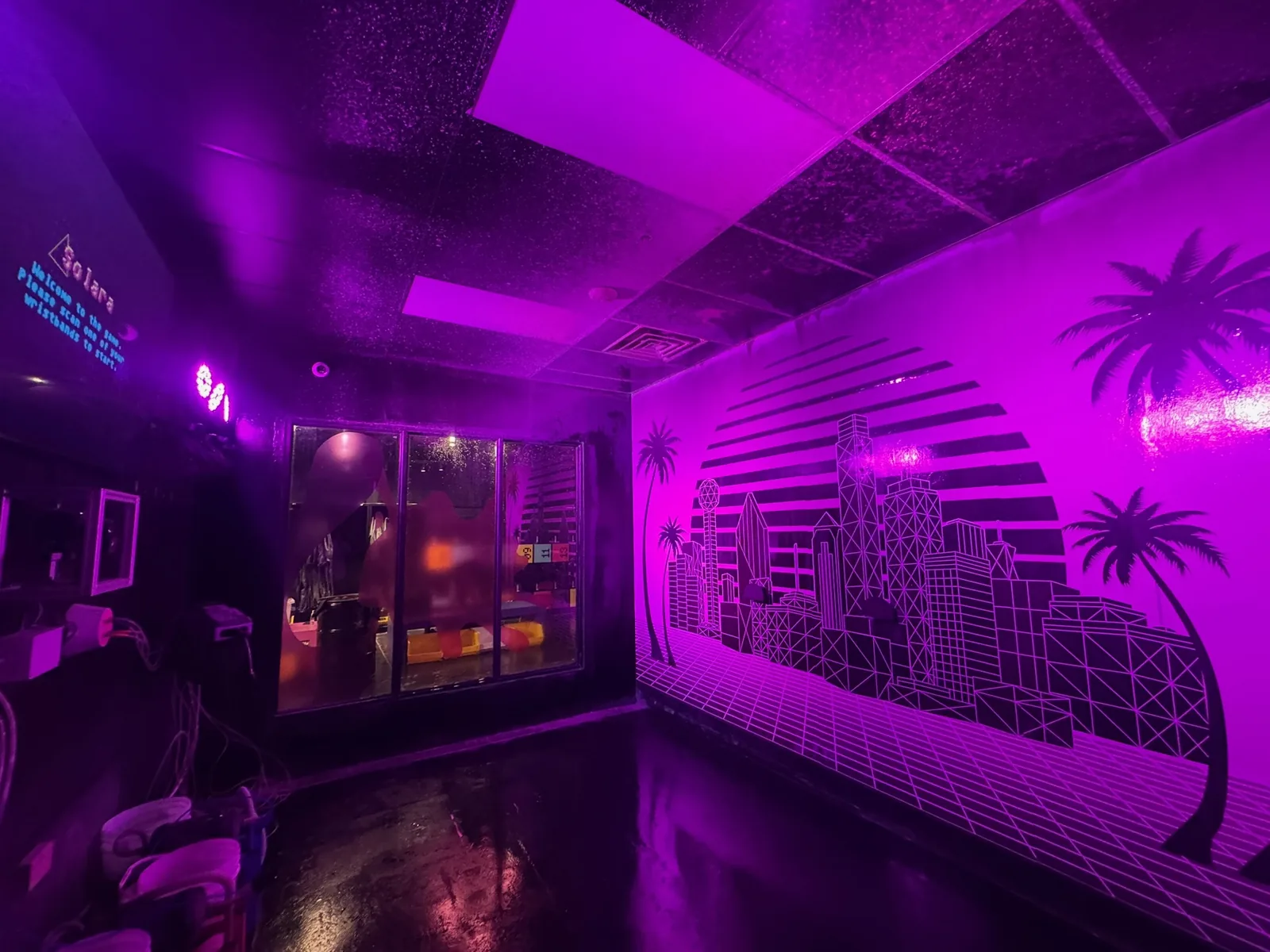
We run Ethernet and structured cabling and install AV systems inside the commercial spaces we finish out. On data center projects, we put together the server racks and run the network cabling to them.
Learn More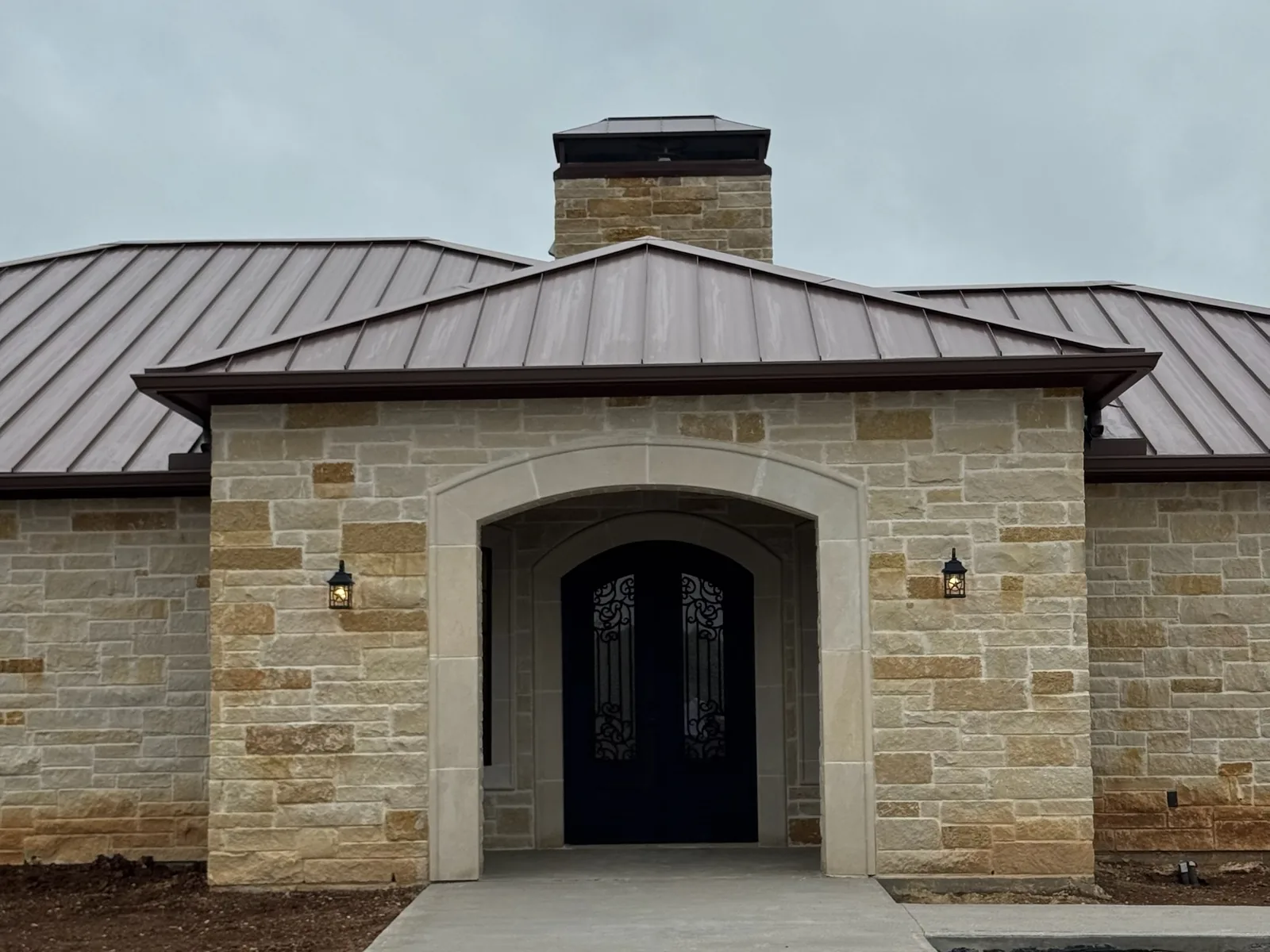
High-end custom homes for select clients, from the pad to the finished house: stonework, custom iron doors, stone arches, fireplaces, custom kitchens, baths and closets. The dirt work and the build stay with one company.
Learn MoreA few of the questions we hear most around Granbury. If yours is not here, call or text and ask.
Tell us about the land, the pad, the road or the building and where it sits. Call or text (214) 557-5106, or send the form and we will get back to you with the next step.
Tell us about the land or the building project and where it is. We look at the job and put the quote in writing.